Fabric Construction
Mechanical weaving processes produce dense, stable fabrics by maintaining elevated warp yarn tautness during the insertion of the weft. For technical applications, high tension weaving is deployed to manufacture ballistic nylon or sailcloth. This rigorous mechanical approach minimizes crimp and increases the tensile strength of the finished material.
Loom Setting
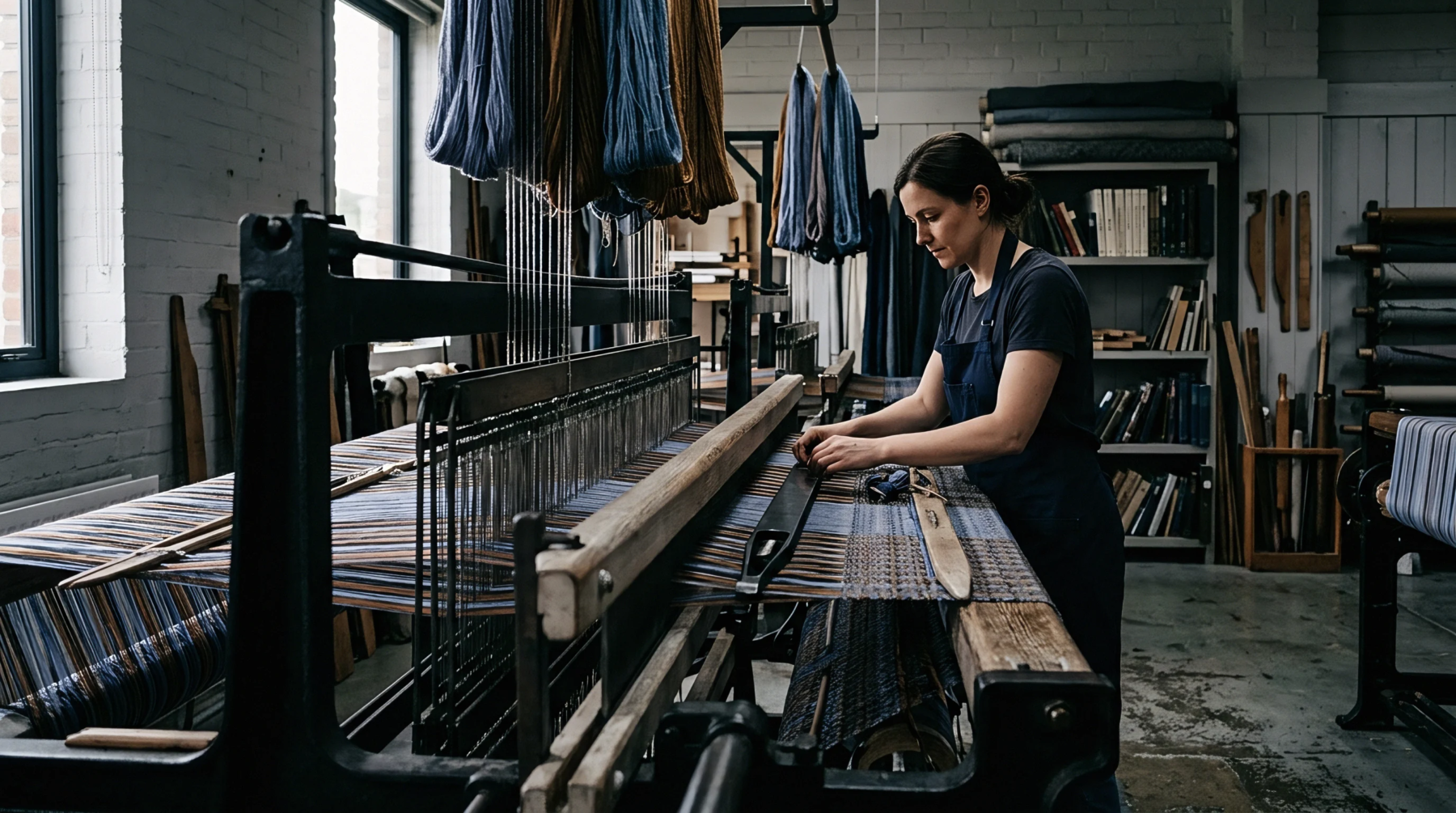
Industrial projectile and rapier looms utilize specialized tensioning rollers to apply constant force to the warp beam. In this operational setting, high tension weaving reduces the shed opening size needed for the filling yarn to pass through. This restriction demands precise synchronization of the shedding motion to prevent yarn chafing and premature yarn breakage.
Yarn Behavior
High-modulus synthetic fibers respond differently to continuous stress than natural staple yarns. Under these conditions, the elongation properties of the yarn determine the maximum permissible force before irreversible deformation occurs. If the stress exceeds the elastic limit of the polymer, the resulting fabric will suffer from uneven shrinkage and distorted patterns during subsequent dyeing and finishing processes in the textile mill.
Structural Stability
The resulting textile displays extremely low air permeability and superior resistance to seam slippage. These performance characteristics make the process essential for manufacturing items that must withstand extreme pneumatic pressures.