Sugar Deposition
Glucose and fructose exude from plant tissue onto the lint surface during the final stages of crop development. Honeydew sticky cotton occurs when whitefly or aphid populations secrete these complex sugars that defy standard mechanical ginning removal. This accumulation persists through the entire supply chain, turning the fibre into a substrate that adheres to metal surfaces during high-speed spinning.
Processing Impact
Heat generated at the carding and drafting zones softens the contaminant, which transfers from the fibre bundle to the rollers. Friction increases between the metal surfaces as the gummy residue builds up over time, eventually causing the roving or sliver to break. Machinery downtime follows these ruptures because the equipment requires solvent cleaning to restore the original finish.
Measurement Protocol
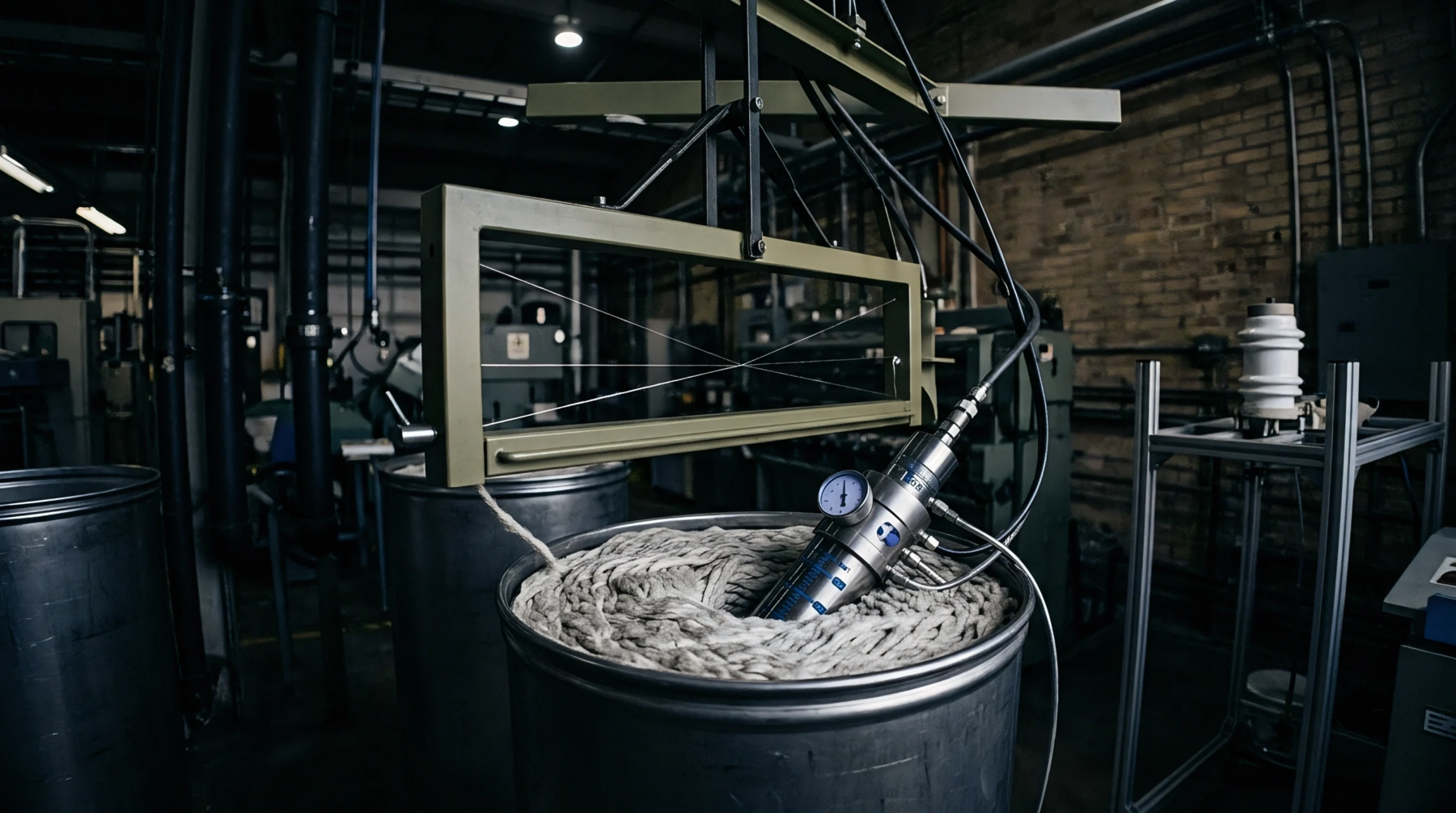
Technicians quantify the contamination level using thermomechanical analysis or high-speed contact detectors to predict mill performance. These tests measure the force required to pull a simulated roller away from the sample after exposure to controlled temperature and pressure. High force readings warn procurement teams that the lot poses a risk to consistent production output.
Contamination Boundary
Variations in local climate and insect control determine the severity of this issue across different harvest regions. Fields subject to excessive pest pressure consistently yield lint that requires chemical wash or blending with clean fibre to lower the overall sugar concentration. Mill managers adjust mechanical settings when the detected levels fall near the upper tolerance limit to keep the production flow moving without interruption.