Kinetic Displacement
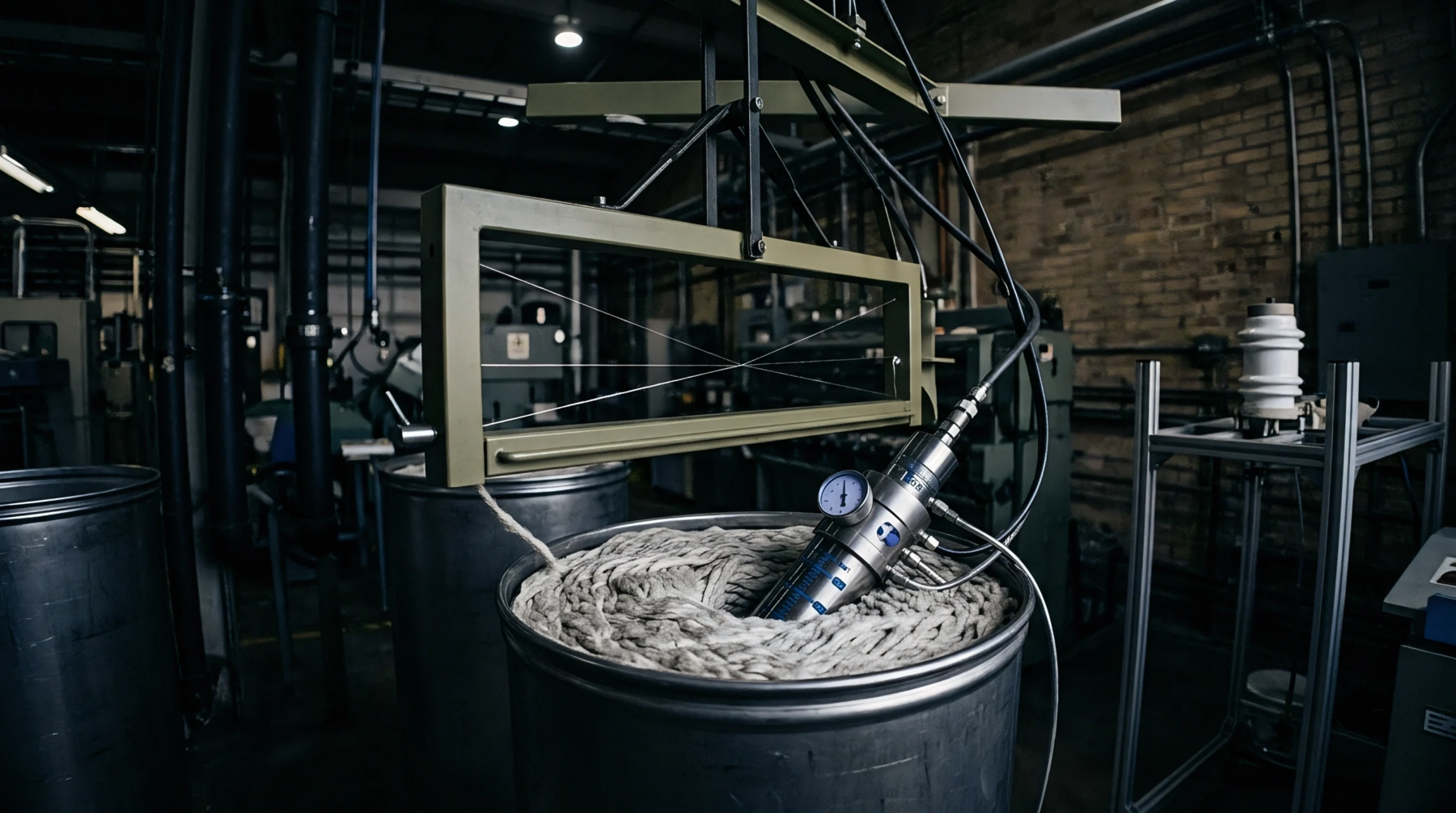
High-velocity fluid impulses divert undesirable particulate matter and foreign materials out of continuous staple processing streams during automated cleaning sequences. Across spinning mill blowroom installations, pneumatic air jet ejection defines the mechanical technique of using compressed air bursts to knock foreign contaminants out of moving fiber channels. High-speed cameras identify non-lint trash, polypropylene strings or colored contaminants, signaling an aligned array of solenoid valves to discharge targeted blasts that discard the targeted impurity.
Yarn spinning quality depends upon this removal mechanism to prevent catastrophic fabric defects in fabric formation and knitting mills.
Solenoid Valve
Micro-solenoid valves must respond within milliseconds to actuate air blasts precisely as targeted contaminants traverse the nozzle ejection manifold. Operating delays during pneumatic air jet ejection cause the compressed blast to miss foreign objects or discard substantial quantities of good cotton lint. Valve manifolds maintain line pressures between five and seven bar to deliver sufficient kinetic energy across the duct width.
Wear on valve seats degrades valve response speed, necessitating periodic automated diagnostic checks during blowroom operation.
Contaminant Separation
Optical sensors classify detected anomalies by optical reflectance and physical size before triggering air nozzles. Efficient pneumatic air jet ejection isolates problematic synthetic twines and dyed fibres while minimizing the extraction of surrounding spinnable staple. Separated trash particles fall into an isolated collection duct connected to waste filtration compactors.
Poor nozzle synchronization increases clean cotton loss and elevates total mill waste percentages.
Pressure Boundary
Insufficient line pressure prevents pneumatic nozzles from overcoming ambient transport air velocity within ductwork. Compressors must supply clean, oil-free air to prevent nozzle clogging during continuous pneumatic air jet ejection operations. Contaminated supply air deposits oil mists onto passing cotton tufts, generating indelible grease spots on finished yarns.