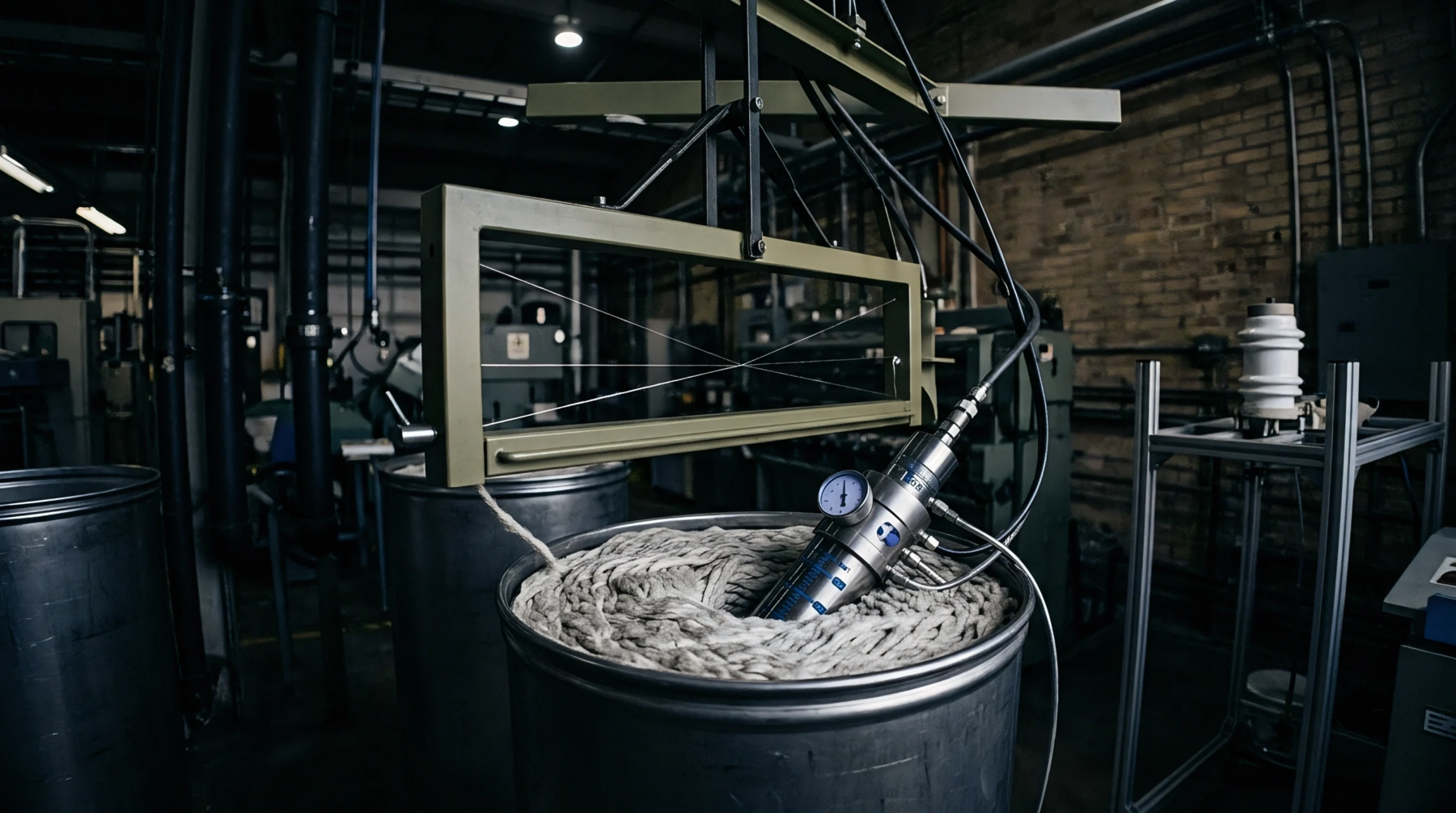
Specification Verification
Formal technical governance structures verify that intermediary assemblies and finished garments comply with defined physical, chemical, and visual standards. Within commercial apparel and textile supply chains, textile quality control establishes the laboratory test methods and defect classification criteria applied from raw fibre procurement to final carton packaging. The discipline verifies that products satisfy brand performance standards and contractual buyer requirements.
Systematic testing prevents non-conforming lots from proceeding to subsequent transformation stages where processing costs multiply.
Mill Gatekeeping
Comprehensive incoming material testing prevents inferior yarn lots and greige goods from entering wet processing or cutting floors. Mill laboratories execute textile quality control procedures including yarn count validation, tensile strength tests, dimensional stability washing, and spectrophotometric color matching. Deviations exceeding commercial tolerances trigger formal supplier debit notes or batch rejections before fabrics undergo irreversible dyeing or finishing treatments.
Verified test data populates formal certificates of analysis required for commercial shipping authorization. This documentation accompanies fabric rolls to garment manufacturing plants.
Tolerance Enforcement
Standardized four-point fabric inspection systems establish numerical demerit thresholds for allowable visual defects across commercial yardage. Garment audit teams applying textile quality control inspect cut panels and finished garments against approved tech packs, checking seam strength and dimensional tolerances. Statistical sampling according to ISO 2859 tables dictates sample lot sizes and maximum acceptable quality limits.
Severe structural faults or color shade mismatches halt sewing lines until technical managers approve corrective adjustments.
Rejection Boundary
Critical non-conformances identified during final packing audits require quarantine and formal buyer concession before release. Flaws that compromise safety or chemical compliance standards result in immediate lot rejection without possibility of repair. Production lots failing international fastness or flammability mandates face mandatory destruction or commercial downcycling.