Internal Porosity
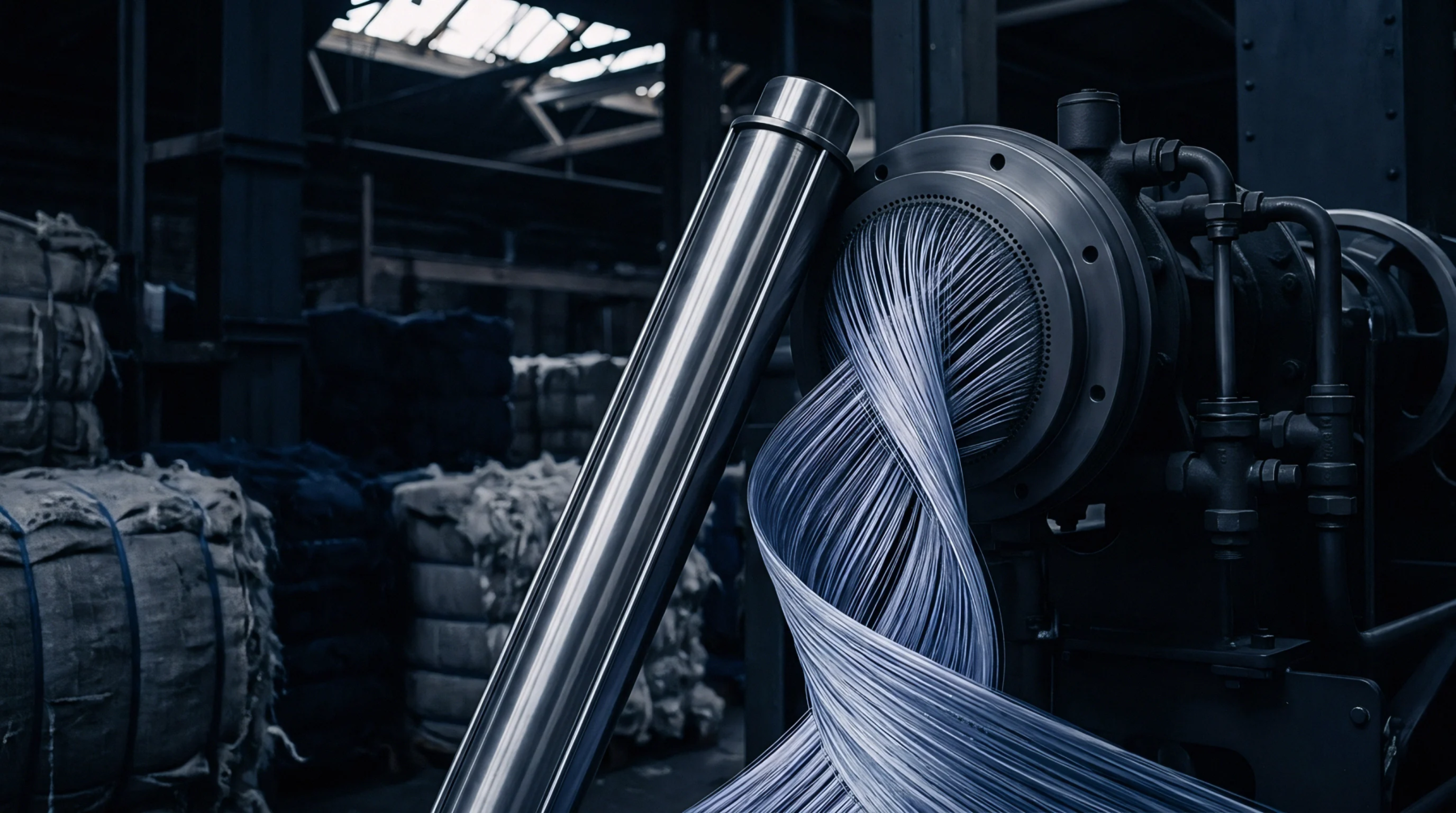
Microscopic gaps located between individual filaments within a single yarn structure that contribute to the overall volume and air permeability of the textile. These intra-yarn micro-voids determine the capillary action responsible for wicking moisture away from a surface. Space between the fibres allows for air entrapment, which increases the insulation value without adding excess weight to the fabric.
Physical Effect
Fluid transport relies on the diameter and connectivity of the channels formed by these spaces. When intra-yarn micro-voids are small and numerous, they create a strong suction force that pulls liquid deep into the yarn core. Larger gaps facilitate faster air movement but might reduce the total surface area available for evaporative cooling.
Tension applied during weaving or knitting can compress these voids, altering the hand feel and the thermal performance of the finished garment.
Production Control
Spinning techniques like air-jet or ring spinning influence the density of the filament packing. Changes in the twist multiplier also adjust the volume of air held within the structure.
Boundary Condition
Measurement of these spaces is restricted by the resolution of scanning electron microscopy or mercury intrusion porosimetry. Intra-yarn micro-voids differ from the larger pores found between the woven yarns themselves.