Hydraulic Force
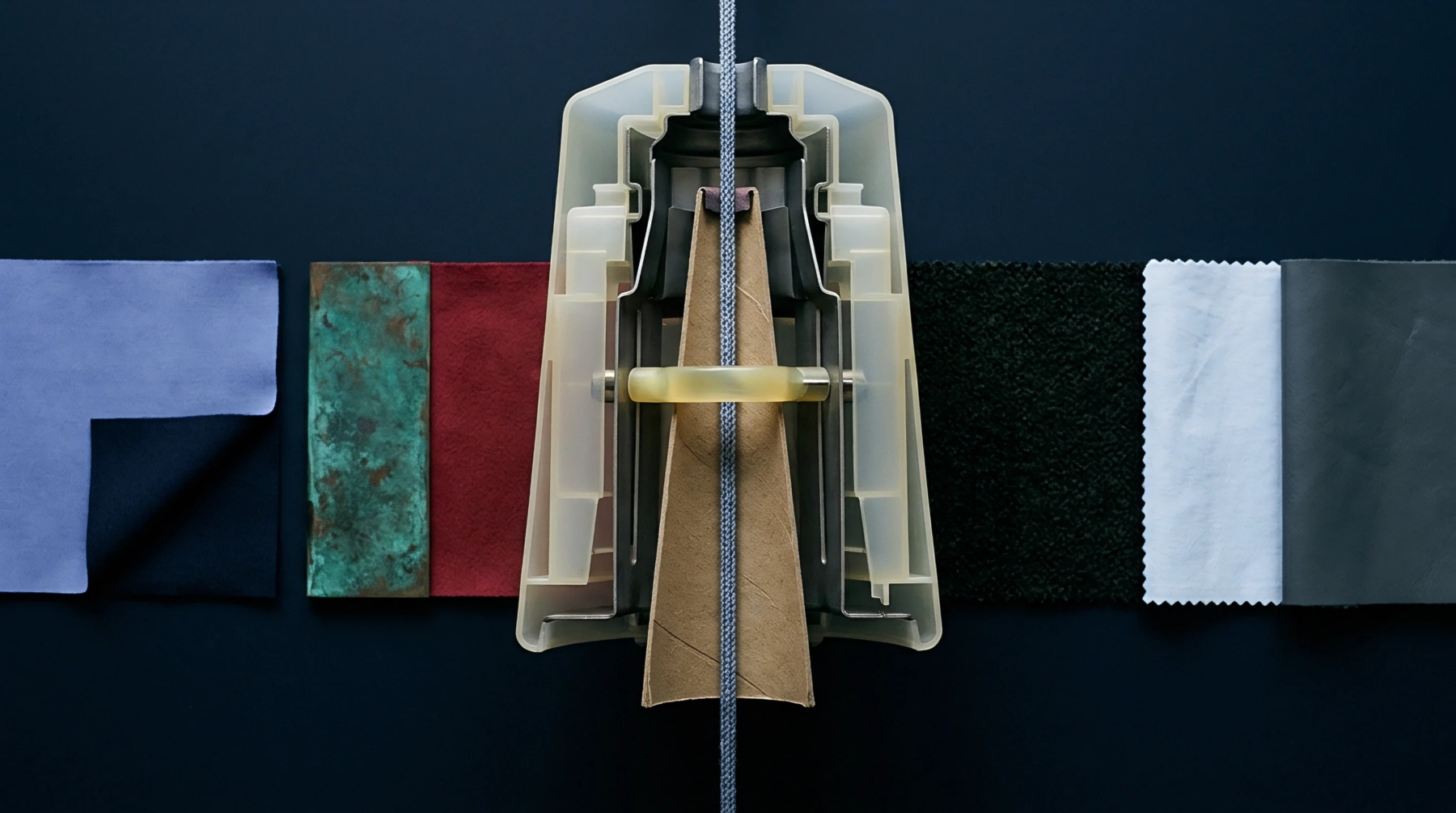
Liquid circulation in high-pressure dyeing machines generates mechanical forces that act on the submerged textile material. During wet processing, jet dyeing shear represents the mechanical friction and hydraulic stress experienced by the fabric as it is propelled through the venturi nozzle. This intense friction can cause physical changes to the fiber surface and alter the final appearance of the goods.
When the fiber structure is delicate, these forces can lead to surface fuzzing or yarn displacement.
Fabric Damage
Surface quality of knitted fabrics is highly sensitive to the velocity of the dye liquor during the dyeing cycle. Excessive jet dyeing shear causes the individual fibers to untwist and migrate out of the yarn body. This results in the formation of pilling or surface hairiness that degrades the hand feel of the finished product.
Laboratories test for this damage by assessing pilling resistance after wet processing.
Process Adjustment
Machine operators manage these physical forces by adjusting the nozzle diameter and pump pressure. Reducing the pump speed lowers the jet dyeing shear and protects sensitive fabrics from surface abrasions. This adjustment must be balanced with the need for rapid liquor exchange to ensure level dyeing.
Flow Limit
Finishing mills must establish clear processing boundaries for each fabric weight to prevent quality defects. Lightweight constructions are particularly vulnerable to high shear levels. Choosing a wider nozzle reduces the risk of structural damage.