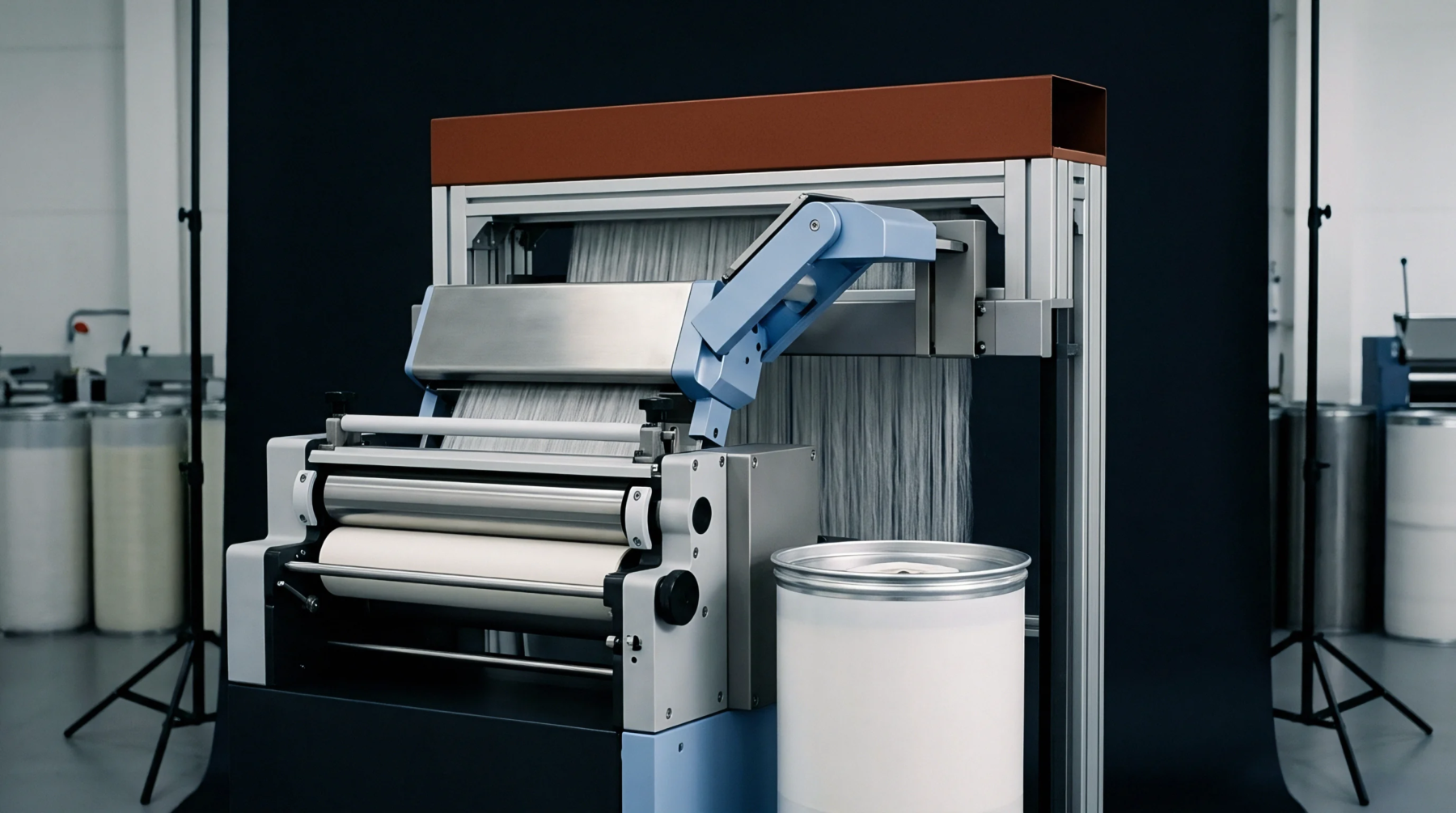
Dyeing Apparatus
Pressurized containers for the collection and treatment of liquid waste or spent air emerge from high-speed fabric processing machinery. Within a modern mill, the jet exhaust vessel receives the discharge from jet dyeing machines where fabric and dye liquor move at high velocities. This tank manages the pressure drop and temperature reduction required before the material enters the treatment system.
Pressure Management
The mechanical design of the tank allows for the safe expansion of steam and hot liquids. As high-pressure fluids enter the jet exhaust vessel, the internal volume provides a buffer that prevents backpressure from disrupting the dyeing cycle. Consistent pressure regulation ensures that the fabric does not suffer from uneven dye penetration or physical damage.
When the flow rate from the main chamber spikes, the vessel absorbs the energy to protect the valves and seals of the broader plumbing network.
Heat Recovery
Systems attached to the tank often capture thermal energy from the hot discharge to preheat incoming water. This specific jet exhaust vessel acts as a primary heat exchanger point where the high temperatures used in synthetic fiber dyeing are partially reclaimed. Efficiency gains depend on the surface area and insulation of the tank walls.
Environmental Compliance
Filtering the discharge within the tank removes lint and particulate matter before the liquid proceeds to secondary filtration. A well-maintained jet exhaust vessel prevents the release of untreated effluent into the local water system. It provides a final checkpoint for monitoring the chemistry of the waste stream.