Dimensional Behavior
Dimensional contraction in the longitudinal direction of a fabric occurs when fibers and yarns relax after being subjected to tension during manufacturing. This phenomenon, called length shrinkage, is measured after wet processing or home laundering to ensure garments retain their original fit. Woven fabrics typically suffer from this relaxation because the warp yarns are kept under high tension on the loom.
The relaxation of these yarns during washing causes the fabric to shorten.
Measurement Process
Laboratory testing relies on marking specific distances on the fabric before washing and measuring them again after drying. Technicians apply a standardized washing cycle and temperature to simulate consumer use, followed by tumble drying or flat drying. They then calculate the percentage change by comparing the post-wash length to the original baseline measurement.
This calculation reveals the inherent stability of the fabric construction under typical usage conditions. A high shrinkage rate requires adjustments in garment pattern making to prevent the final product from being too short.
Production Control
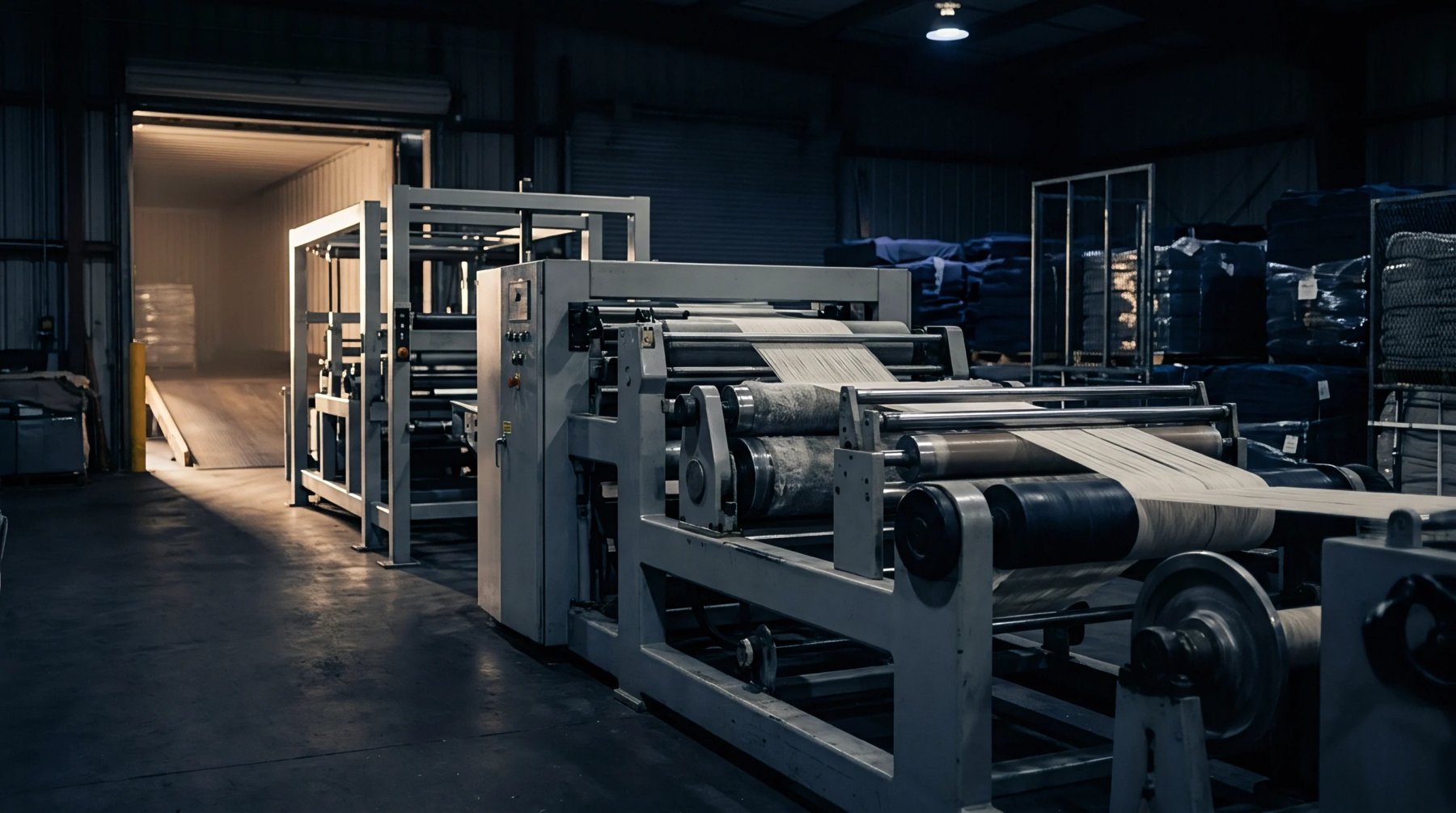
Textile mills use mechanical treatments to pre-shrink fabrics before they are sent to the cutting room. Sanforization uses steam and rubber belts to compress the warp yarns, reducing the potential for length shrinkage during subsequent washes. When the yarn is compacted before garment assembly, the resulting apparel is more dimensionally stable.
This pre-treatment step is standard for denim and heavy cotton fabrics.
Commercial Risk
Excess shrinkage leads to severe customer dissatisfaction and high product return rates. Apparel brands set strict tolerance limits for fabric stability, typically rejecting batches that exceed a three percent change in length. Uncontrolled dimensional changes can ruin the fit of trousers or sleeves, rendering entire production runs unsellable.