Cellulose Definition
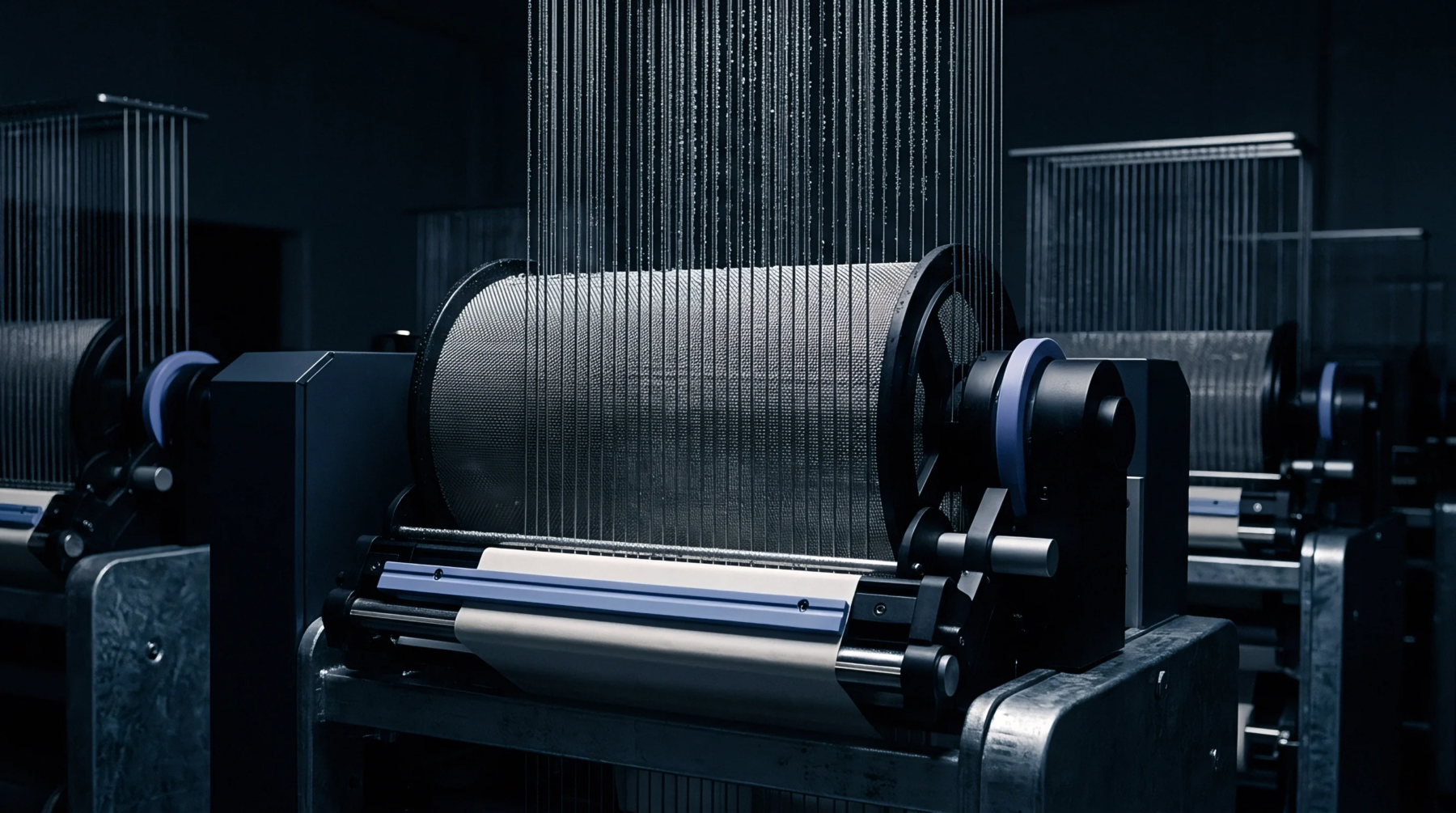
Solvent-spun cellulose fibre appears as a continuous filament yarn created through the direct dissolution of wood pulp in an amine oxide solution. Lyocell filament represents a high-tenacity textile material formed when this concentrated solution extrudes through spinnerets into a water bath. The subsequent coagulation process pulls the cellulose into a stable solid form.
This structural transition removes the solvent for recycling within a closed-loop system, which limits environmental discharge from the spinning facility.
Extrusion Mechanism
Liquid dope moves through small orifices under controlled temperature to align the polymer chains before the fibre solidifies in the bath. Uniformity in the diameter of lyocell filament depends on the precision of this flow rate and the withdrawal speed of the take-up equipment. Variations in these machine settings directly impact the denier and the elongation properties of the final yarn.
Stable production requires constant monitoring of the viscosity of the dope and the concentration of the coagulant in the bath to ensure the consistency of the output.
Fabric Application
Textiles containing this material demonstrate superior wet strength compared to other regenerated cellulosic fibres. Garment manufacturers specify lyocell filament for its silk-like handle and its capacity to sustain deep, saturated dye results. Weaving or knitting processes benefit from the high tensile modulus of the yarn, which reduces breakage during high-speed production cycles.
Finished goods constructed with this filament maintain their dimensions and resist fibrillation when handled during laundering.
Material Characteristic
Microscopic fibrillation occurs as a mechanical consequence of surface abrasion on the wet filament. This physical tendency requires specific chemical or enzymatic treatments at the finishing stage to modify the surface texture of the final fabric. Designers select the filament to achieve specific drape and performance attributes in technical apparel or home textile goods.
High purity in the starting cellulose ensures the quality of the extruded product remains within strict industry tolerances for strength and luster.