Variance Identification
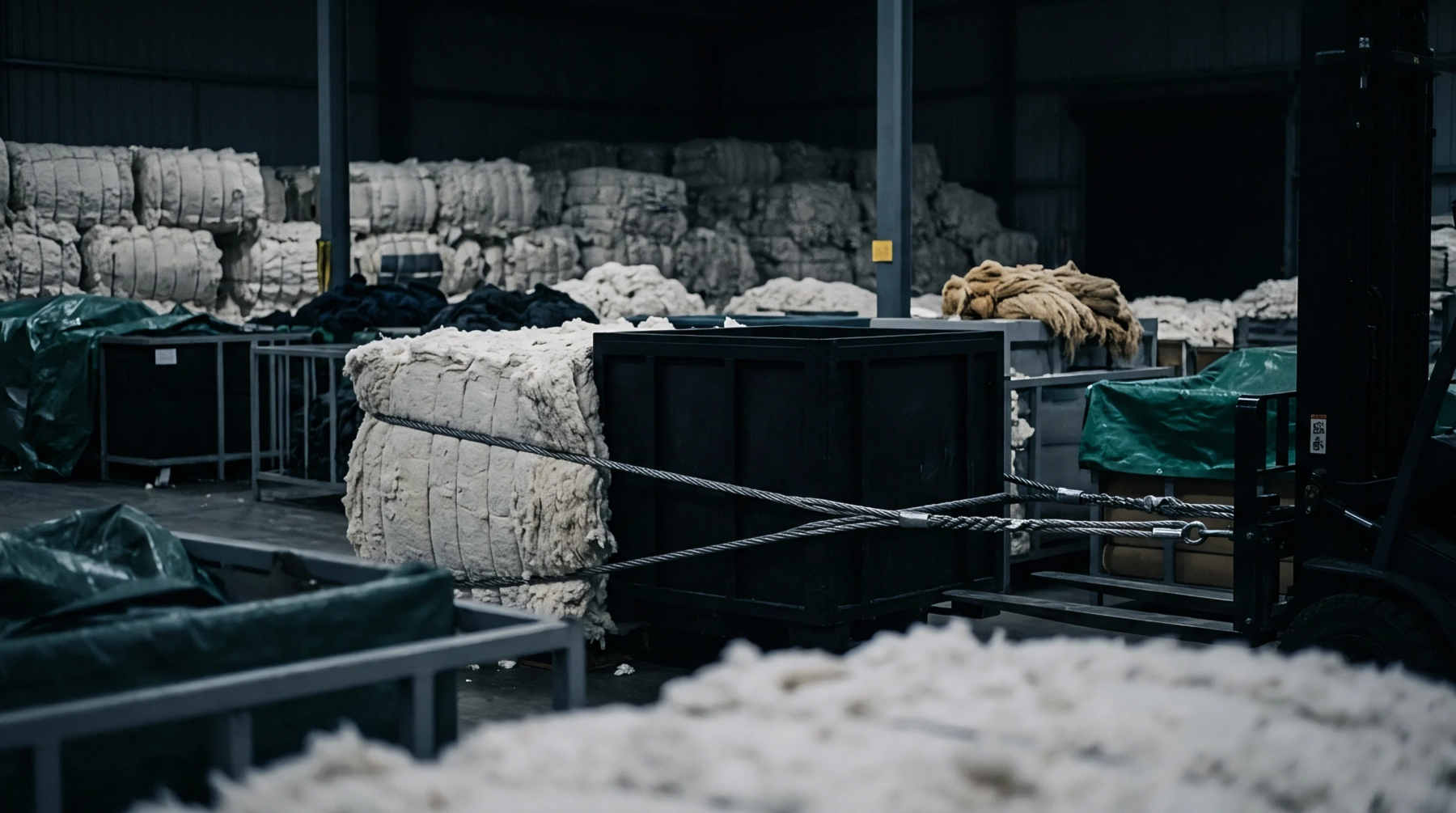
Physical gaps between the amount of material billed by the supplier and the amount actually received at the warehouse require reconciliation. A mass discrepancy occurs when the scale readings at the origin and the destination do not match exactly. Small differences are common due to moisture changes during transit through different climates.
Root Identification
Investigating the cause involves checking the calibration of the scales and the humidity levels during the initial weighing. If the mass discrepancy exceeds a set percentage, the buyer typically files a claim against the mill or the carrier. This issue often arises when fabric is sold by weight rather than by length, requiring a careful audit of all shipping documents and physical counts to determine where the loss occurred.
Atmospheric Influence
Textiles gain or lose weight based on the moisture in the air. A mass discrepancy of two percent might simply be the result of a shipment moving from a humid port to a dry inland warehouse. Standard moisture regain values help adjust the weight to a commercial baseline.
Inventory Control
Large gaps suggest that material was lost or stolen during transit. Reconciling the mass discrepancy is a standard part of the receiving process in every garment factory. Regular audits prevent these small losses from eroding profit margins over the course of a production season.