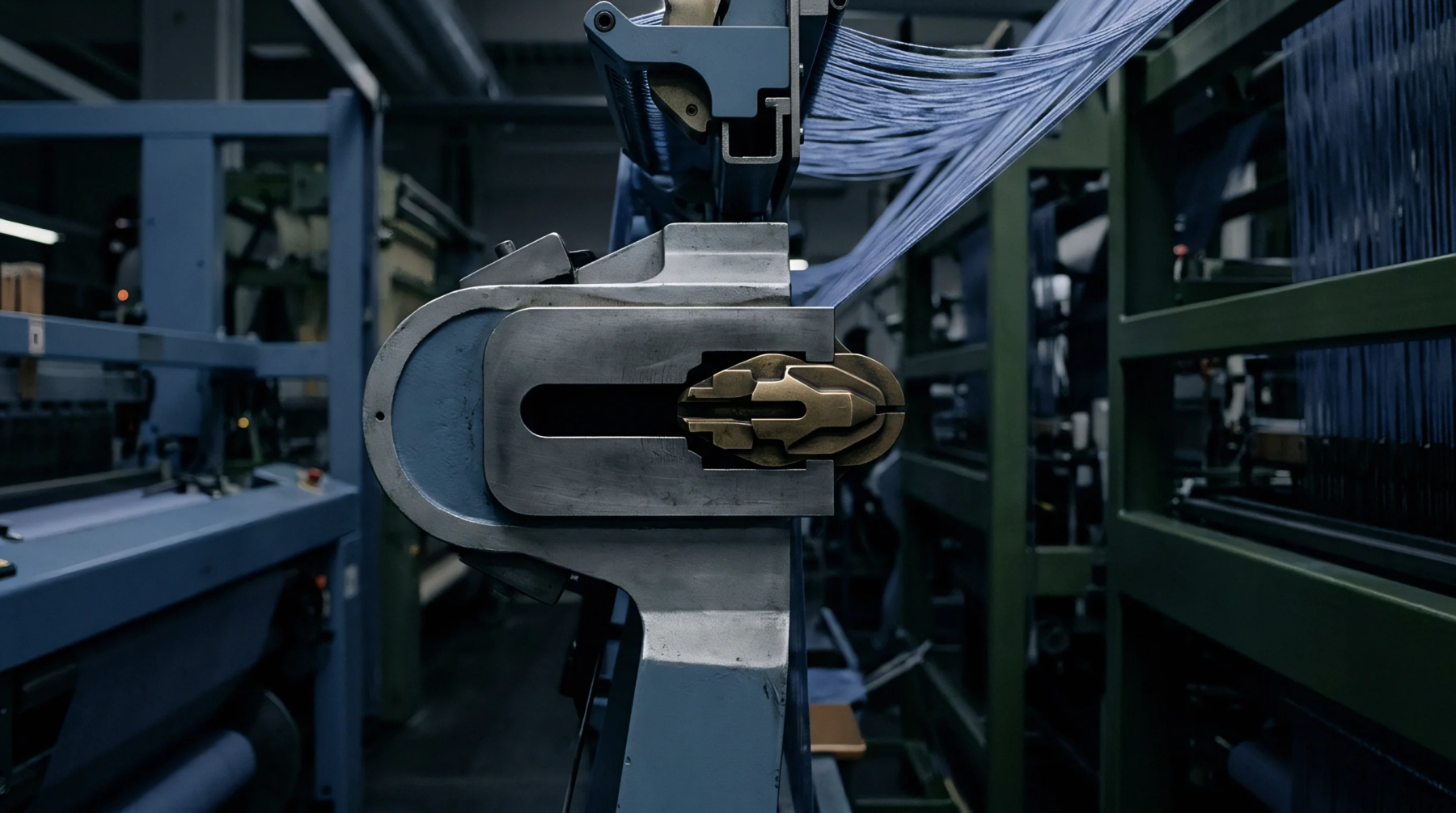
Fibre Transformation
Dimensional reduction occurs when cellulosic yarns undergo treatment with high concentration alkali solutions under specific temperatures. Measuring mercerization contraction informs mill operators about the potential increases in tensile strength and lustre within the batch. The process forces the flat, twisted cotton fibres to swell into a rounded, cylindrical form.
Process Measurement
Control units track the tension required to prevent the fabric from shortening during the caustic immersion. Excessive mercerization contraction results in a stiffer hand feel and reduced elasticity in the final cloth. Optimal results depend on maintaining a balance between shrinkage and mechanical stretch on the chain.
Verification happens by comparing the length of the fabric before it enters the bath and after it is rinsed.
Operational Output
Finishers use these measurements to optimize chemical usage and machine speed for different fabric weights. Achieving the correct degree of mercerization contraction ensures the fabric dyes evenly to deep, saturated levels. If shrinkage is not uniform, the batch will display wavy selvedges and uneven surface gloss.
Consistent data collection prevents waste in high volume finishing plants.
Effect Claim
Systematic monitoring of the shrinkage behaviour leads to predictable fabric performance. Effective management of mercerization contraction creates cotton textiles with superior shine and excellent dimensional stability.