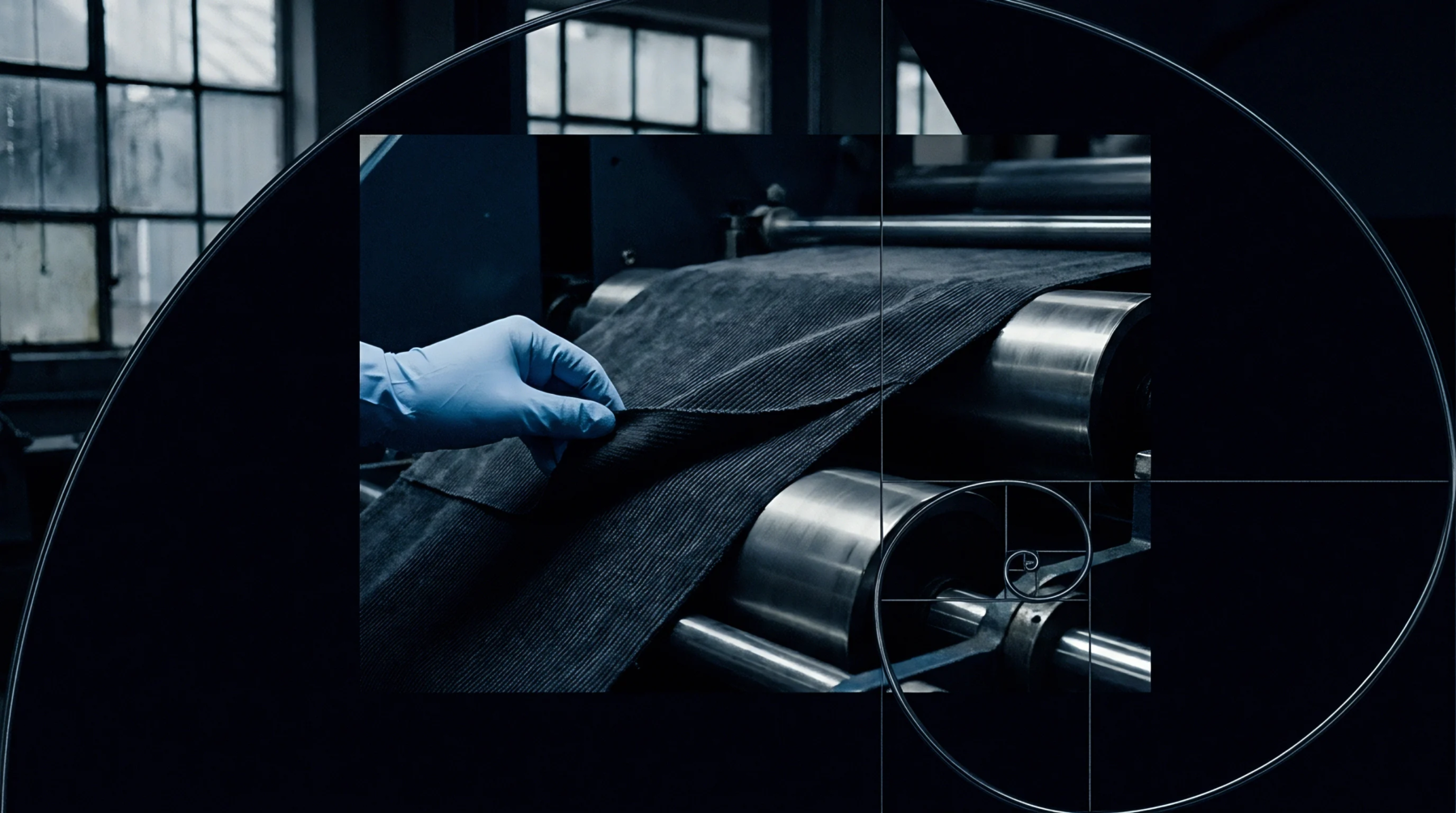
Chemical Reagent
Concentrated alkaline solution used to treat cotton yarns or fabrics to improve lustre and dye affinity. The composition of mercerizing liquor primarily consists of sodium hydroxide at a concentration ranging from 270 to 300 grams per litre. Swelling occurs as the flat, twisted cotton fibres transform into a cylindrical shape with a circular cross section.
Molecular Alteration
Structural changes occur within the cellulose chains as the fluid penetrates the amorphous regions of the fibre. Tension must be applied while the cotton remains in contact with the mercerizing liquor to shift the internal crystallinity. Chemical reactions increase the surface area available for light reflection or chemical bonding.
Resulting material is stronger and more receptive to reactive dyes.
Process Management
Monitoring the temperature and concentration of the bath is necessary for maintaining consistent quality. If the mercerizing liquor becomes too warm or too dilute, the swelling is uneven and the fabric exhibits a dull appearance. Wetting agents are often added to ensure rapid and uniform penetration into the greige material.
Recovery Cycle
Industrial plants use evaporation systems to reclaim the caustic soda after the rinsing phase. Proper management of the spent mercerizing liquor reduces the environmental impact of the finishing mill.