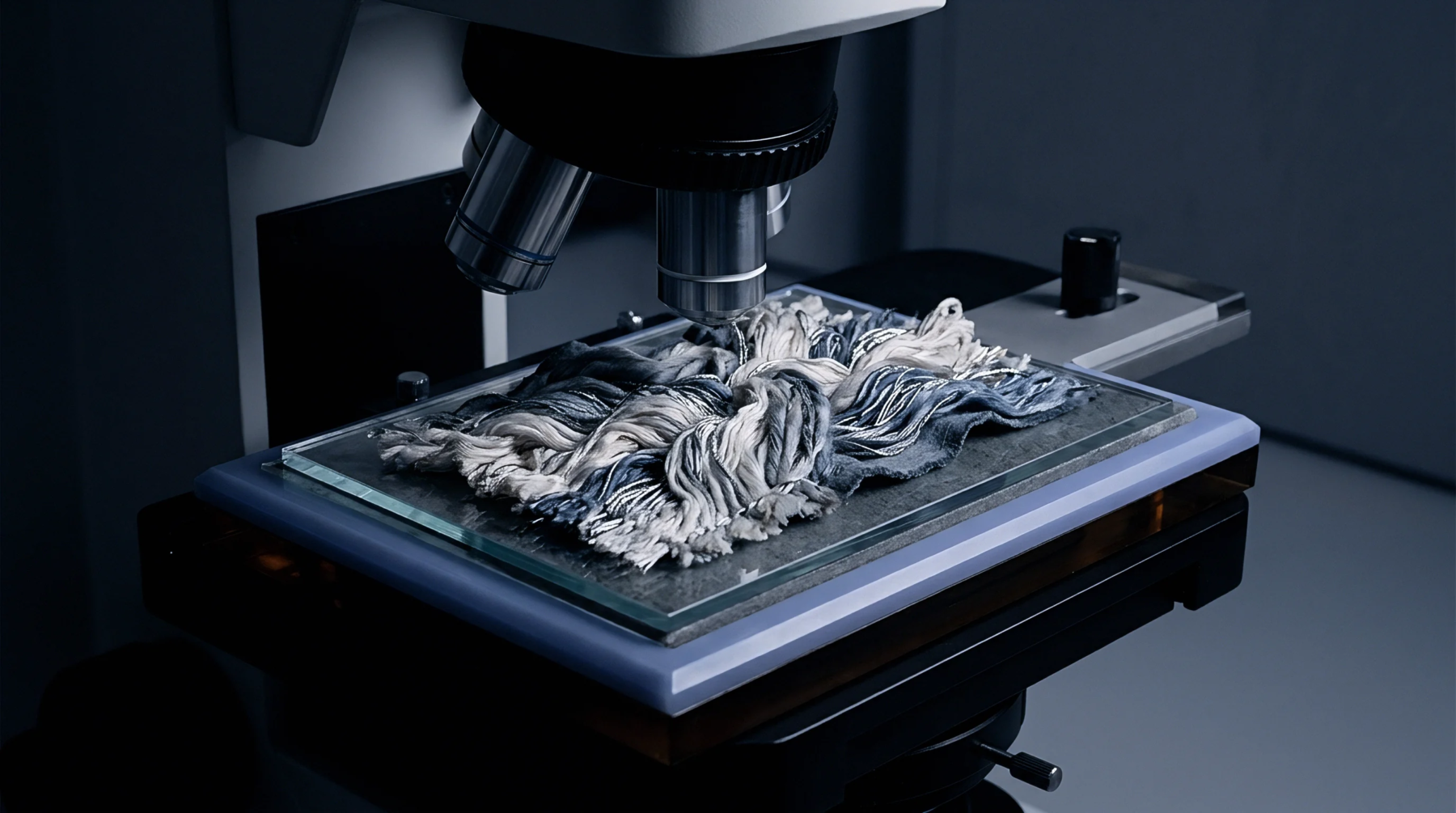
Mechanical Process
Thermo-mechanical modifications applied to synthetic yarns during the spinning process create crimp, bulk, and a softer hand feel in ultra-fine fibres. Through microfilament texturing, continuous filaments of polyester or polyamide are heated and twisted to disrupt their straight structure. This step converts flat, smooth yarns into bulky, resilient yarns that mimic the texture of natural cotton or wool.
It is a critical process step for producing high-performance activewear and thermal garments.
Yarn Development
The processing machinery must maintain precise tension controls to handle filaments that are thinner than one denier. During microfilament texturing, false-twist texturing or air-jet texturing methods are applied depending on the required yarn characteristics. The resulting yarns have millions of tiny air pockets that trap body heat and increase thermal insulation.
This process allows mills to create lightweight fabrics that still offer substantial warmth.
Fabric Performance
Moisture management in athletic apparel is heavily influenced by the shape and surface area of the individual fibres. Utilizing microfilament texturing increases the overall surface area of the yarn, which enhances capillary action and speeds up moisture wicking. Sweat is drawn away from the skin and distributed across the outer surface of the fabric for rapid evaporation.
This function improves the comfort of garments during high-intensity physical activities.
Production Parameter
Improper control of texturing temperatures results in uneven dye absorption and barré defects in the finished fabric. Maintaining consistent settings for microfilament texturing is necessary to ensure uniform quality across production lots.