Fibre Nonuniformity
Differences in fibre fineness and maturity within a single shipment of cotton can lead to uneven dyeing and structural defects in the finished fabric. The micronaire variance measure quantifies these fluctuations across multiple samples taken from a single lot, providing a mathematical spread of the fibre diameter. This value indicates the degree of consistency in the raw material before it is processed, allowing spinning mills to plan their laydowns carefully.
Dyeing Consequence
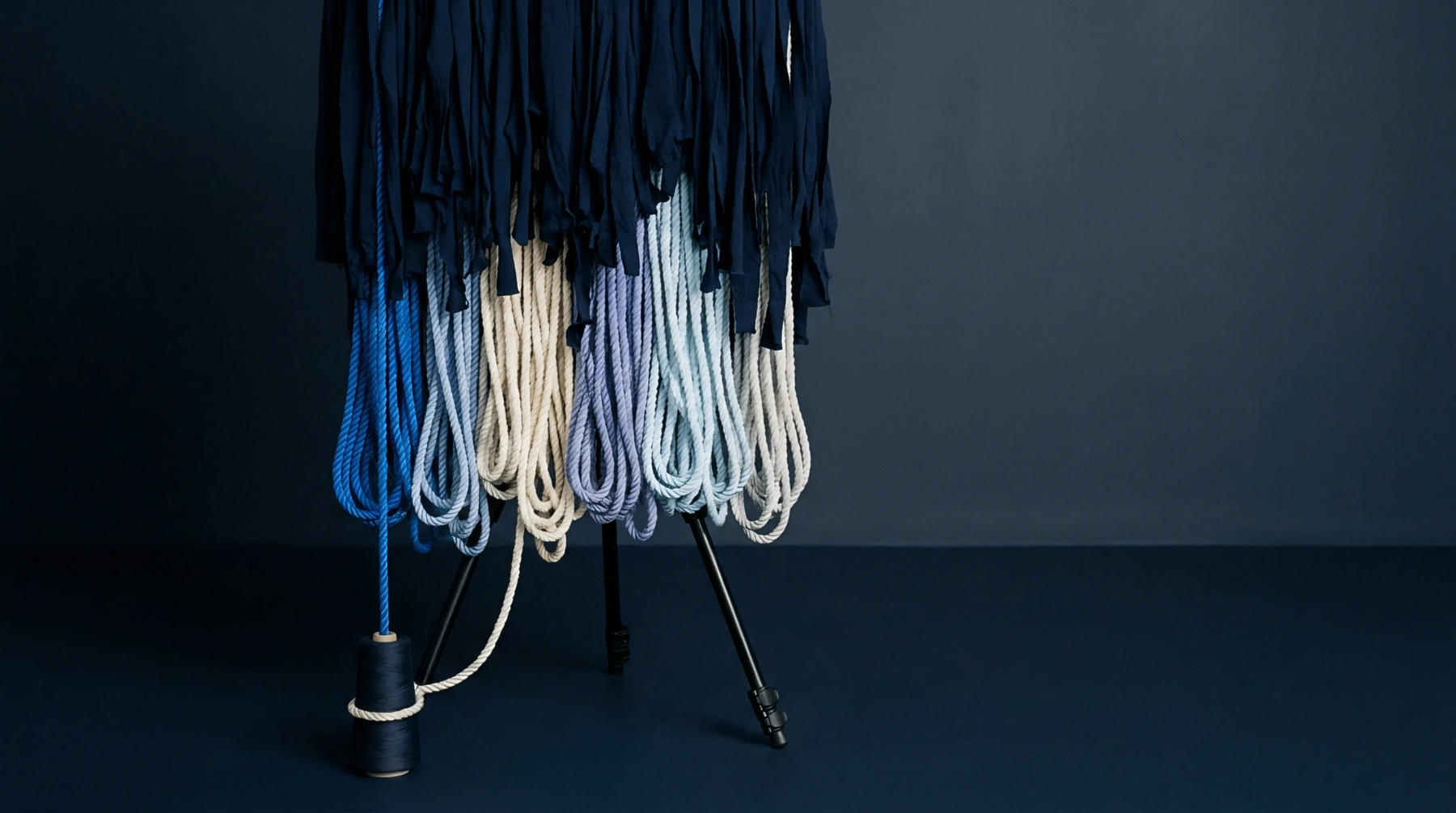
Uneven absorption of dyestuffs occurs when fibres of different maturities are mixed together in the same yarn. High micronaire variance results in a mottled fabric appearance, known as barré, which is often visible only after dyeing. This visual defect can lead to the rejection of entire batches of finished garments.
Spinning Adjustment
Mill managers adjust the blending ratios in the blowroom to neutralize the impact of these fibre variations. By monitoring the micronaire variance, technicians can create a stable mix of bales that ensures uniform yarn strength. This blending strategy protects the spinning machines from frequent thread breakages.
Quality Checkpoint
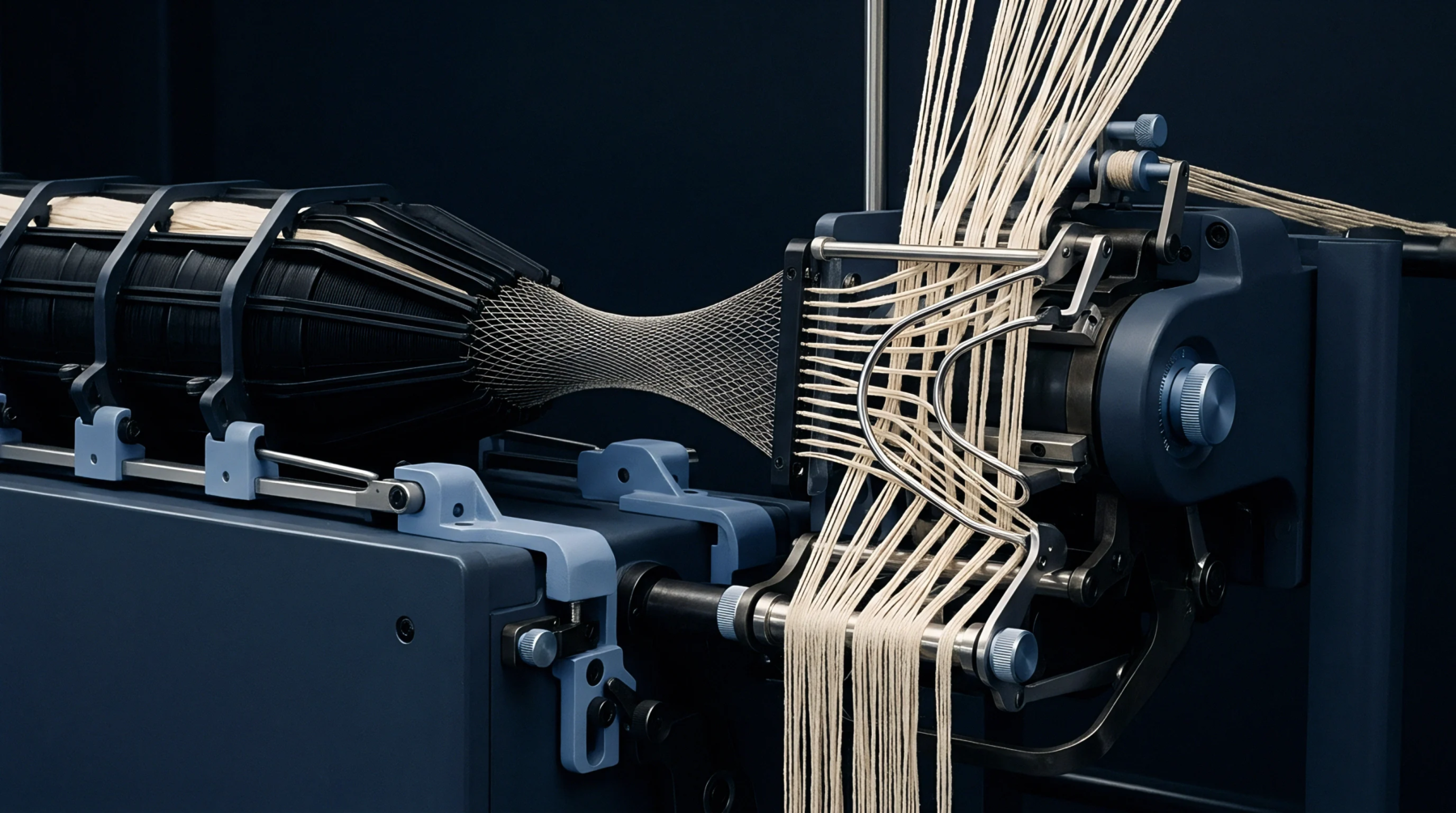
Intake inspections at the spinning mill use high-speed testing instruments to evaluate every incoming bale. A low micronaire variance is required to approve the raw material for high-quality combed yarn production. This check maintains the standard of the yarn supplied to knitting factories.