Composite Architecture
Engineered textile assemblies formed by stacking distinct yarn layers, nonwoven webs, or woven substrates create anisotropic high-performance structural materials. Commercial multi layer technical textiles bond multiple plies using through-thickness stitching, thermal adhesive matrix layers, or resin infusion methods. Each layer provides specific structural properties, such as axial tensile strength, puncture resistance, barrier insulation, or chemical shielding.
Reinforcement axes orient along defined non-crimp vectors, optimizing load paths under complex multiaxial strain fields. The category is restricted to integrated technical plies combined during textile production, separating them from simple layered apparel linings and decorative multi-ply domestic fabrics.
Structural Assembly
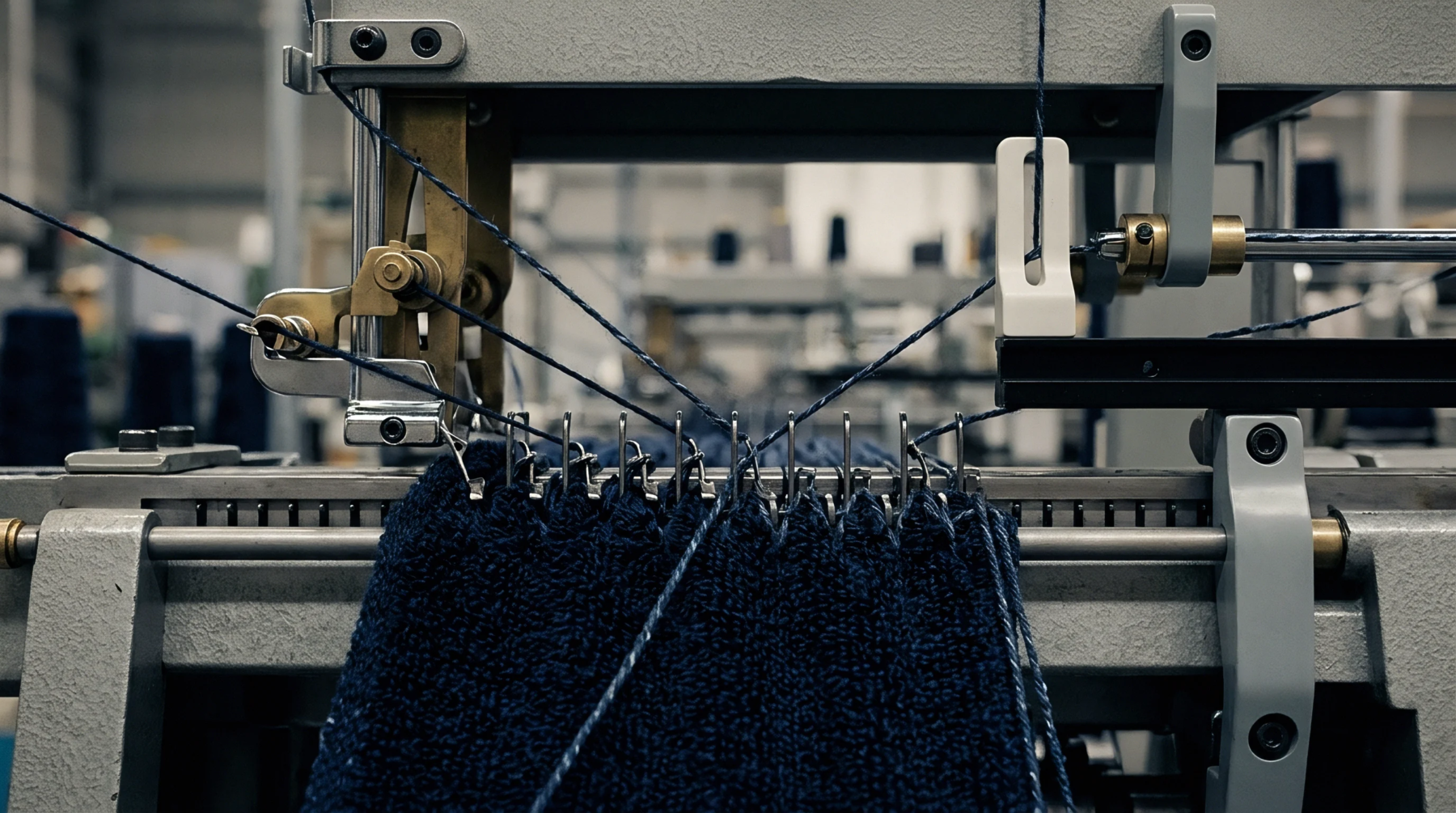
Multi-axial warp knitting machinery feeds parallel yarn sheets laid at alternating angles, such as zero, ninety, and plus or minus forty-five degrees, across a single machine path. Integrating multi layer technical textiles involves reciprocating stitching needles pushing textured yarns directly through all stacked substrate layers simultaneously. Piercing actions must avoid damaging high-modulus carbon, aramid, or glass filaments embedded in the plies.
Controlled stitching tension keeps structural layers flat, minimizing fiber crimp and preserving raw material modulus. Adhesives applied via powder scattering or melt films require precise heat zone regulation to prevent structural delamination under peel forces.
Application Scenarios
High mechanical strength-to-weight ratios make these materials indispensable in structural composites, ballistic armor, wind turbine blades, and automotive body panels. Non-crimp structural alignments allow resin polymers to wet individual filaments rapidly during vacuum-assisted transfer molding processes. Exterior plies often contribute abrasion resistance or UV stabilization, while interior cores deliver shear resilience or thermal separation.
Eliminating interstitial air pockets between combined layers optimizes tensile, compression, and shear performance profiles across extreme service environments.
Verification Protocol
Quality control teams evaluate inter-ply peel strength via standard delamination tests like ASTM D1876 alongside resin permeability and aerial density measurements. Ultrasonic scanning and optical cross-section microscopy expose voids, missed stitch lines, or internal fiber misalignment across sample swatches. Discrepancies in stitch tie-yarn tension show up as localized puckers that cause catastrophic composite delamination under cyclic fatigue loading.
Rigid structural requirements demand batch traceability for all underlying individual plies. Mechanical performance depends upon defect-free stitching that preserves core yarn orientations.