Digital Printing
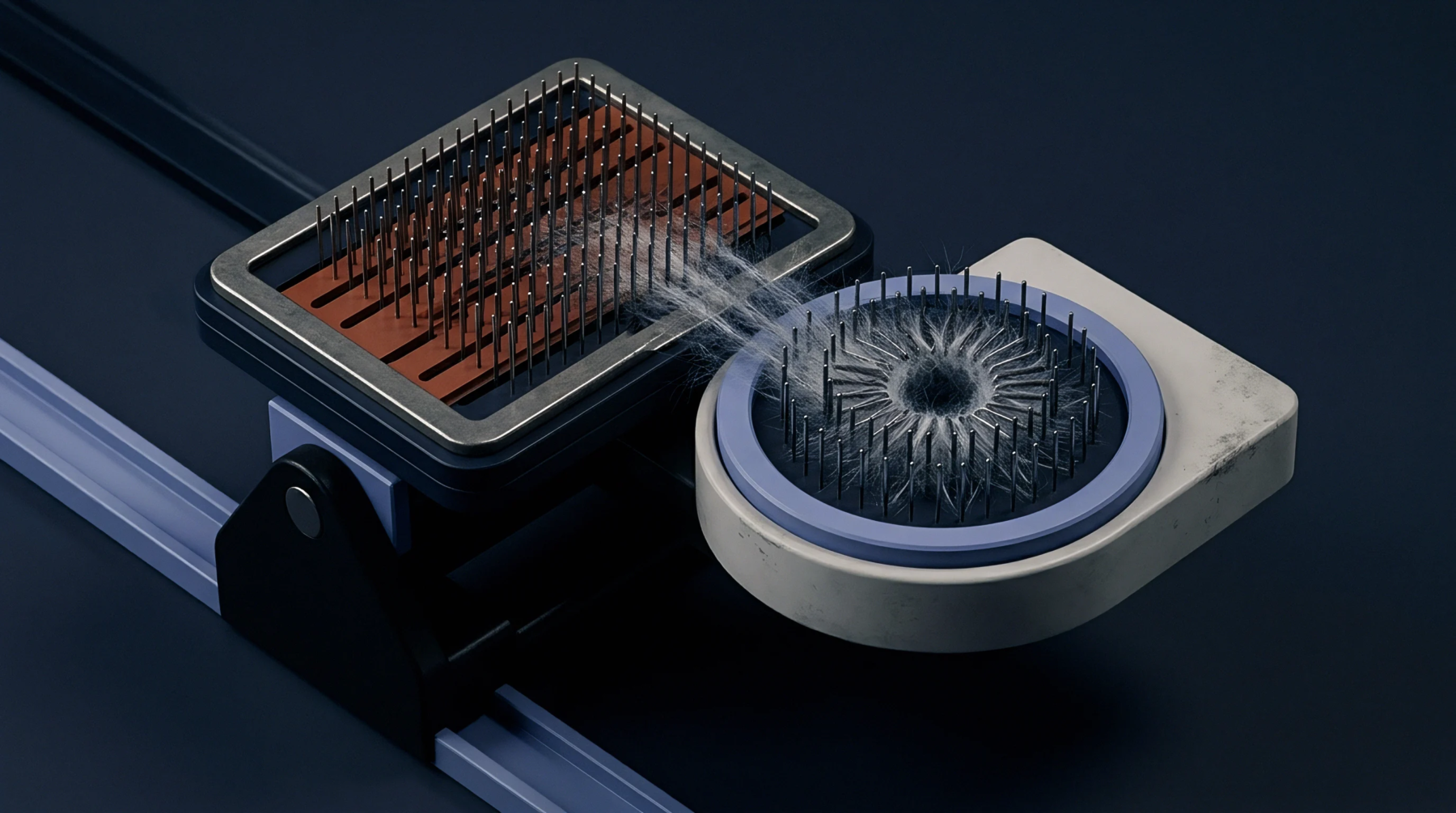
Fabrication methods employ multiple sweeps of a print head over the same area of fabric to build up color density and resolution on digital textile printers. This technique, called multi pass scanning, allows the printer to lay down fine layers of reactive or pigment ink, reducing the risk of banding and ensuring deep color penetration on absorbent materials. It contrasts with single-pass systems that print the entire design in one rapid sweep of the fabric, offering a slower but more controlled ink deposition method.
Output Optimization
Printing speeds and print resolution must be balanced to achieve the desired fabric appearance and hand feel. Through multi pass scanning, the digital printer achieves smoother gradients and more precise pattern registration on difficult substrates like slubby linen or high-stretch knits. This process is particularly valuable for complex designs with fine lines that would blur if printed in a single sweep.
Defect Prevention
Quality control inspectors check for print head alignment errors that can cause streaks across the fabric width. Adjusting the number of print head sweeps through multi pass scanning can eliminate these visual defects by overlapping the ink deposits. If banding remains visible after multiple sweeps, the printer operator must perform a head cleaning and recalibrate the fabric feed mechanism.
Production Tradeoff
Operational efficiency decreases as the number of print head sweeps increases to achieve higher resolution. While multi pass scanning provides superior print quality for high-end fashion garments, it limits the total throughput of the print shop compared to high-speed single-pass industrial machines. It is selected for high-complexity, short-run printing rather than mass-market volume production, representing a compromise between print resolution and hourly output.