Defect Mitigation
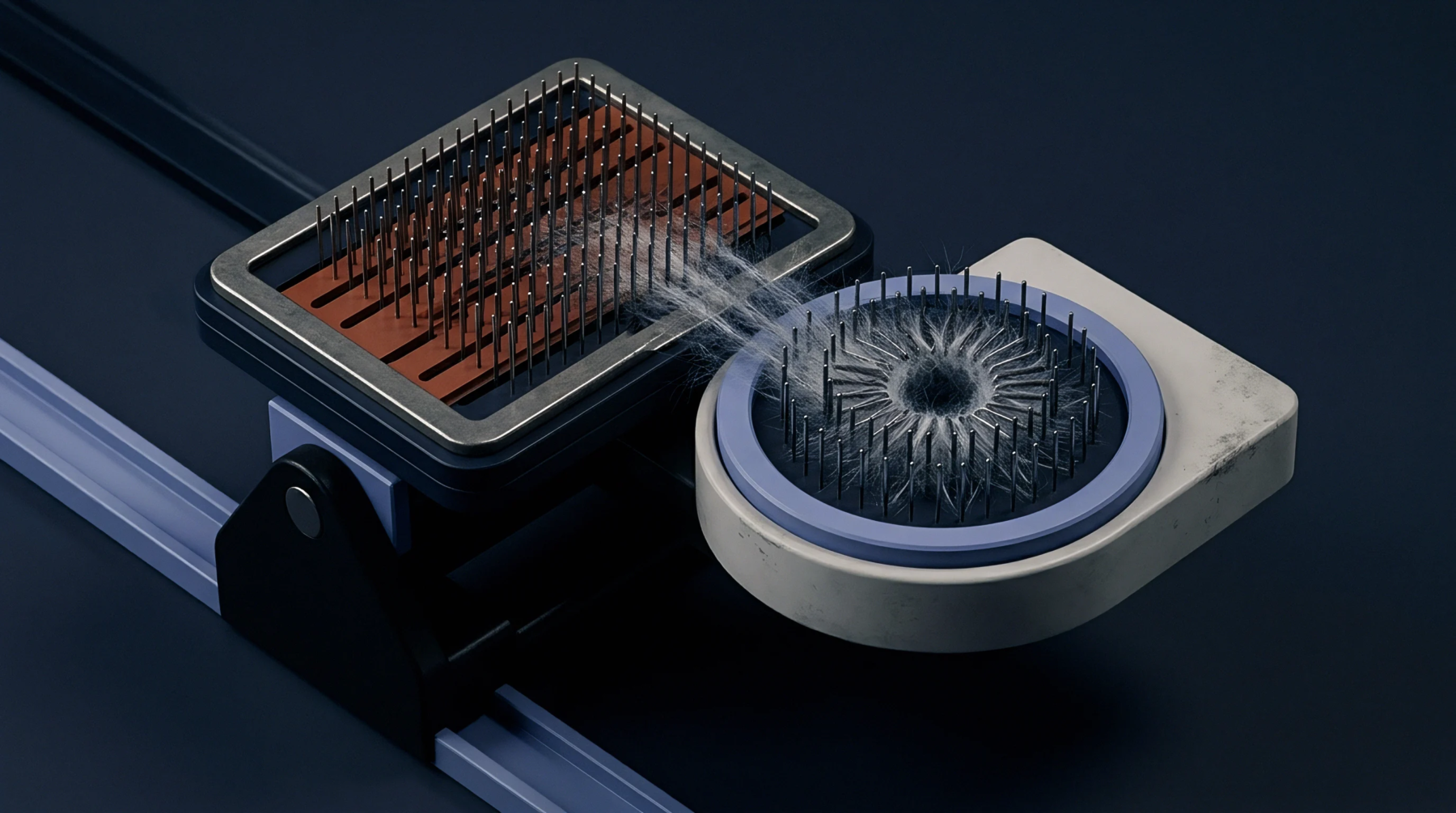
Digital imaging algorithms that redirect printing tasks from failing nozzles to functional ones prevent the appearance of white lines or streaks on the fabric. Nozzle drop compensation uses the overlap of multiple printheads to fill in gaps caused by debris or mechanical failure. This software driven solution allows production to continue even when hardware is not performing at one hundred percent.
Image Reconstruction
Software analyzes the pattern and distributes the missing data to neighboring ink jets. When a specific nozzle stops firing, nozzle drop compensation increases the output of adjacent nozzles or uses a second pass to cover the empty space. This method is effective in high density designs where a single missing line might otherwise ruin a whole roll of cloth.
Production Efficiency
Reducing the need for immediate machine stops for cleaning improves the overall throughput of a mill. Implementing nozzle drop compensation gives technicians the flexibility to finish a shift before performing deep maintenance on the printheads. It acts as a safety net that protects the commercial value of the finished textile.
Quality Threshold
Compensation has limits and cannot hide the failure of many adjacent nozzles in a single cluster. While nozzle drop compensation maintains a professional appearance for most patterns, severe hardware issues will eventually require physical intervention. Sophisticated sensors detect these failures in real time to trigger the corrective software logic.
Automated correction extends the interval between manual head cleanings.