Optical Measurement
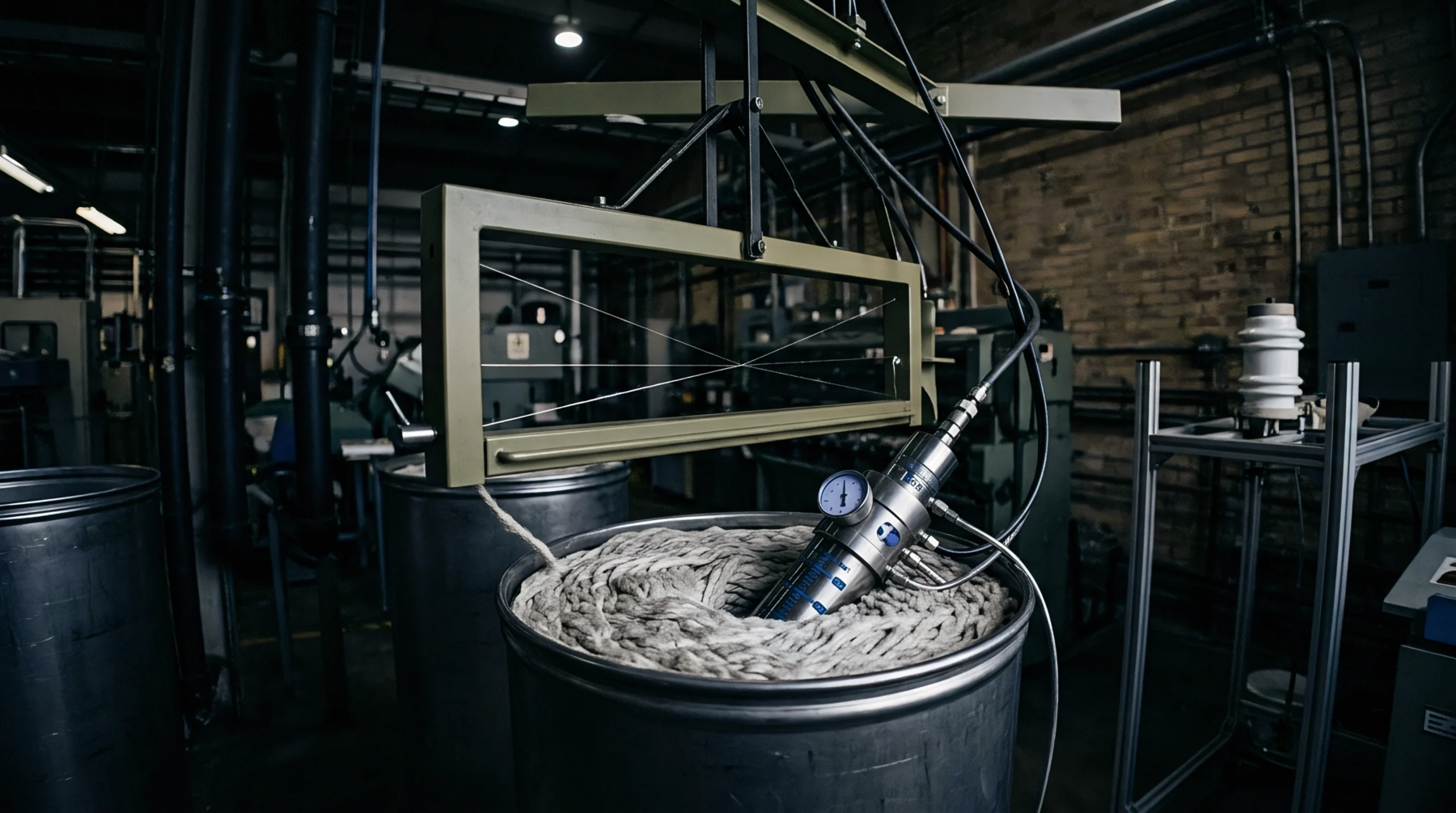
Laser-based fineness analysis quantifies wool and mohair diameter distributions through automated optical fibre diameter assessment in specialized testing laboratories. Mill buyers use the OFDA 100 system to verify raw fleece specifications before committing capital to top making or spinning contracts. Individual animal samples pass through a monodisciplinary optical sensor where high speed cameras capture silhouette projections of scattered snippets.
Commercial transactions rely on these numerical outputs to establish processing baselines for merino wool processing lines.
Diameter Distribution
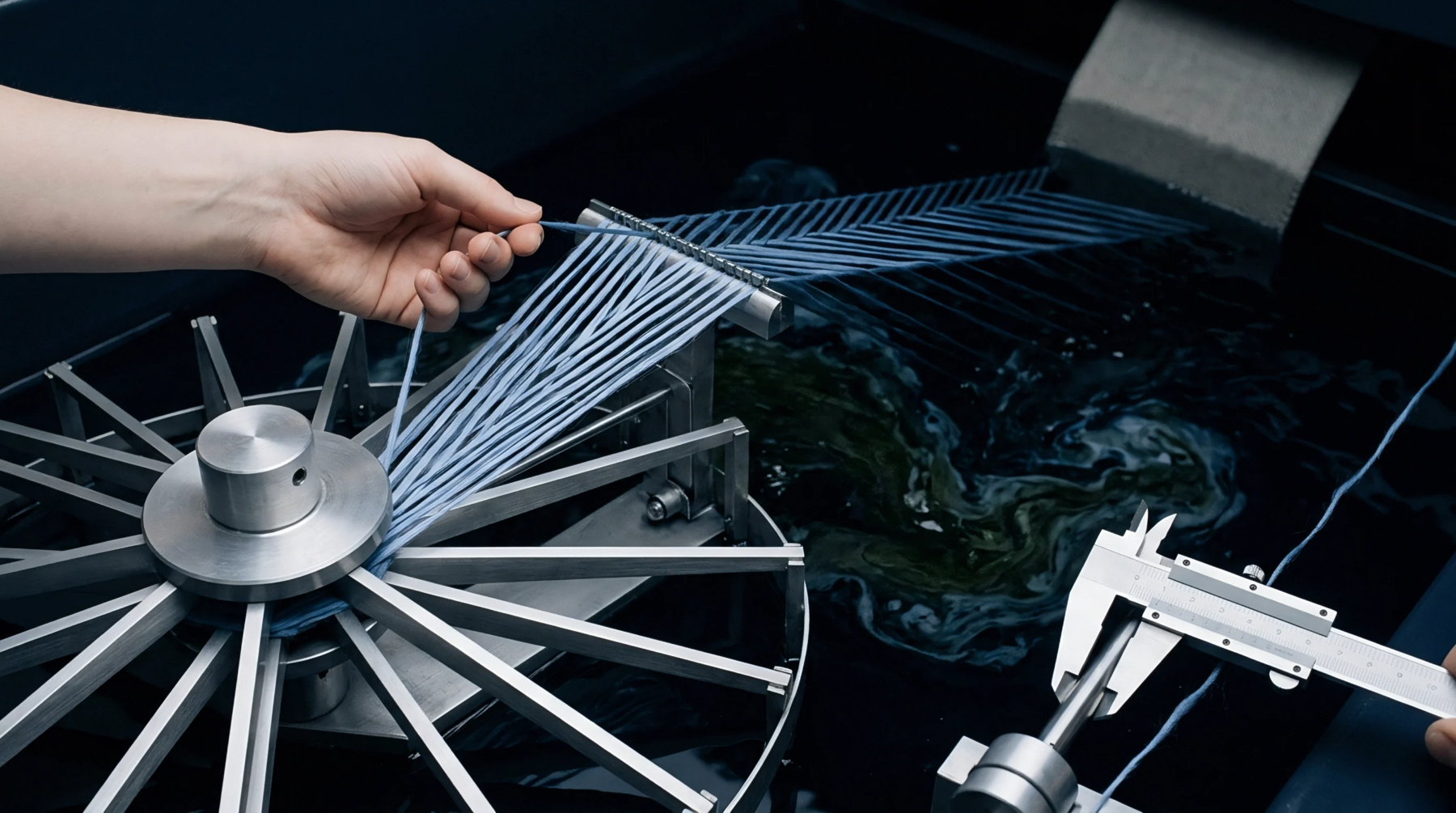
Mean fibre thickness dictates yarn spin limit potential and subsequent fabric drape characteristics in luxury worsted suiting collections. Standard deviation calculations derived from the test run show micron variation across the sampled greasy fleece or scoured top. Processing machinery settings require accurate coefficient of variation metrics to avoid breakage during high speed drafting operations.
Premium wool grades demand tight micron tolerances to maintain consistent tactile softness in finished woven garments.
Scoured Sample
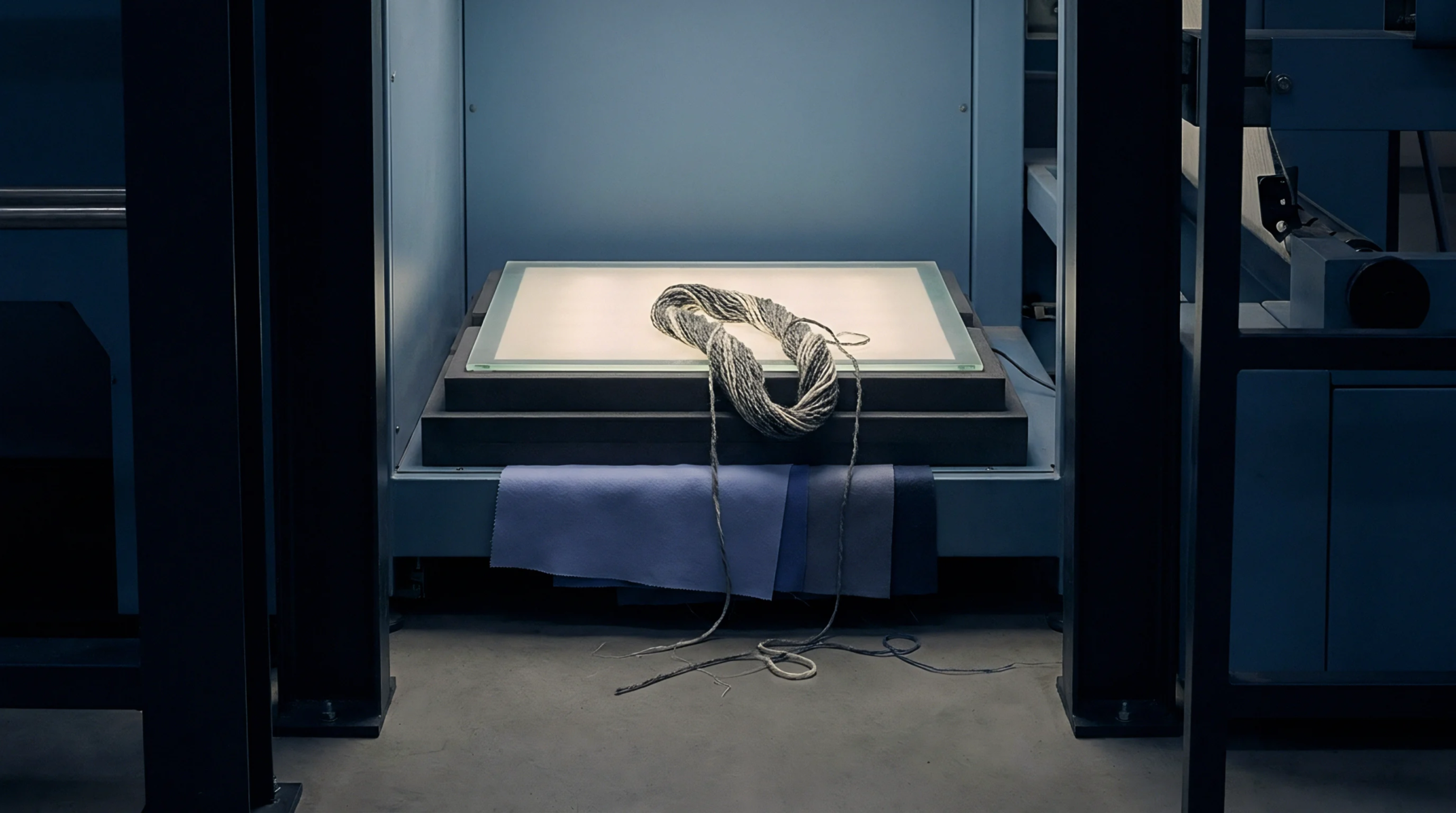
Laboratory technicians prepare greasy core samples through thorough solvent washing and carding before presentation to the optical sensor. Foreign matter interference distorts diameter readings if residual grease or vegetable content remains embedded within the fleece matrix. Automated slide preparation aligns thousands of snippets in a single focal plane to ensure statistical validity across the measurement window.
Technicians condition conditioned lots under standardized atmospheric humidity before running the instrument software calibration sequence.
Calibration Standard
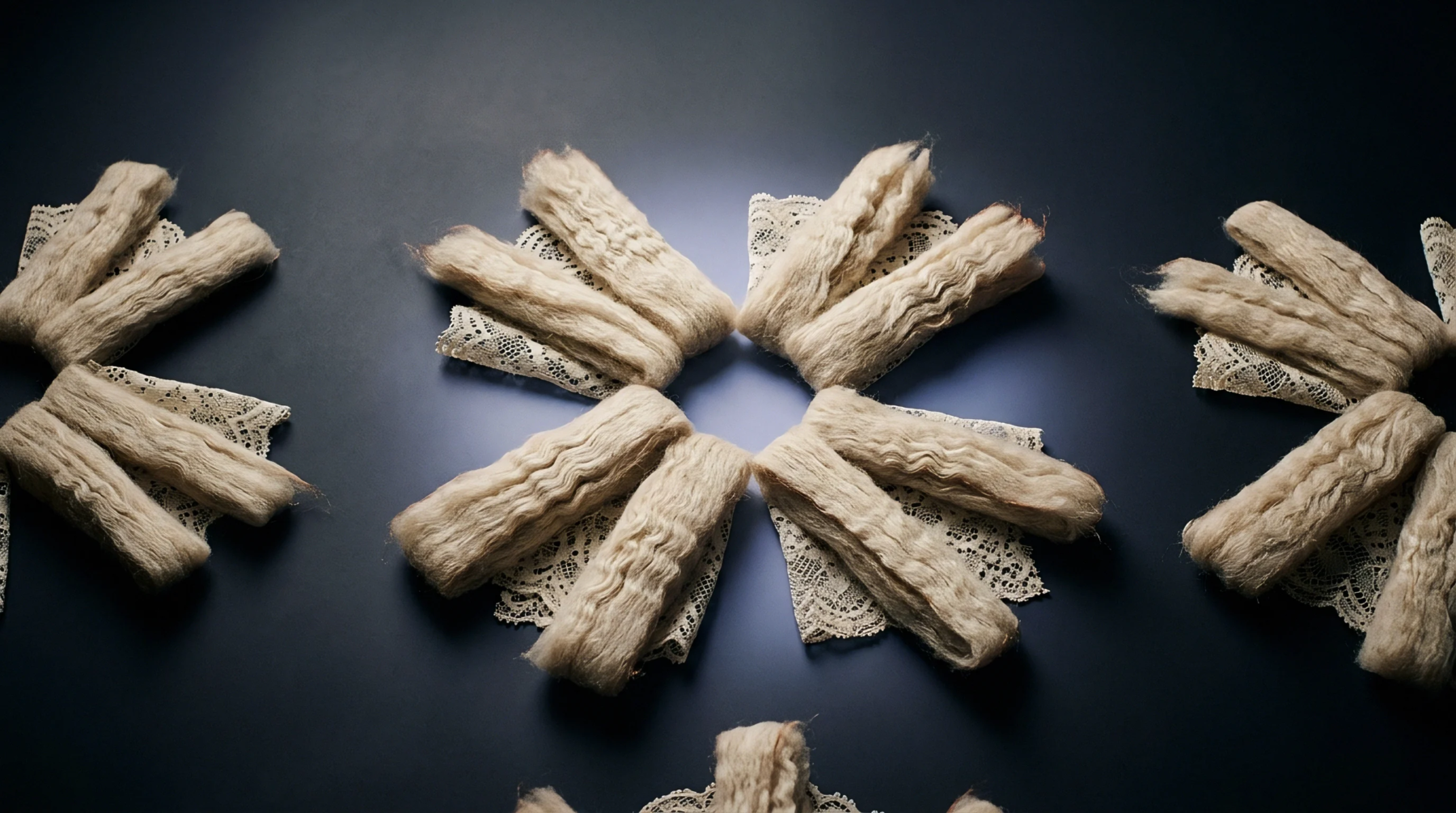
Optical sensor accuracy depends on regular verification using certified glass reference discs supplied by recognized pastoral research authorities. Instrument drift invalidates commercial certificates attached to commercial export lots traded between growers and primary processors. Laboratory supervisors verify lamp intensity and stage velocity daily to prevent systematic bias in diameter profiles.
Export documents carry these verified metrics as binding quality parameters recognized throughout international wool trade houses.