Chemical Gradient
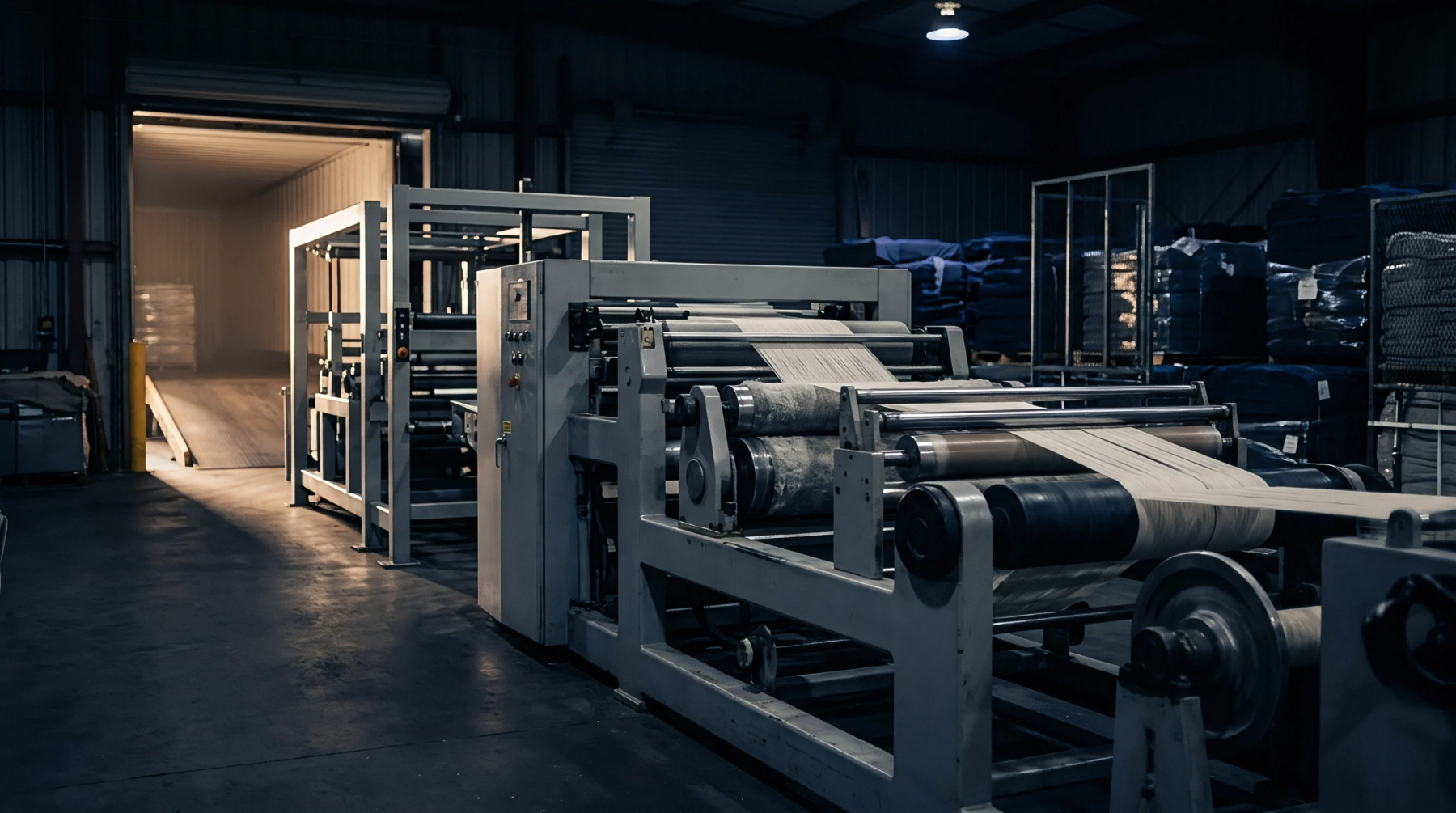
Dye migration during continuous padding operations creates uneven color distribution along the vertical axis of the fabric. Pad bath tipping occurs when dyebuff concentration shifts from top to bottom during the liquid pickup stage of wet processing. Continuous dyeing ranges rely on uniform liquor uptake to prevent shaded goods from reaching the final inspection table.
Hydrophilic Equilibrium
Surfactant migration accelerates during the initial drying phase immediately following roller compression. Migration forces move dye molecules toward areas of rapid evaporation, creating visible color variations across wide-format rolls. Roller pressure differentials compound the initial liquor gradient by squeezing excessive moisture toward one edge of the textile substrate.
Laboratory checks measure residual liquor pickup gravimetrically to isolate mechanical variables from chemical affinity issues.
Thermal Correction
Infrared pre dryers immobilize the moving liquor before capillary action pulls colorants away from the core fibers. Heat application must balance evaporation rates against migration thresholds to protect the final shade consistency. Production managers adjust squeeze roll hardness ratings to maintain uniform pressure profiles across the entire width of the running web.
Commercial Tolerance
Retail buyers reject dyed batches exceeding predetermined color difference thresholds during standard daylight cabinet evaluations. Mill audits verify dye bath stability through continuous concentration testing and replenishment protocols. Color management software compares spectrophotometer readings from multiple fabric layers to confirm that pad bath tipping remains within acceptable commercial limits.