Adhesive Composition
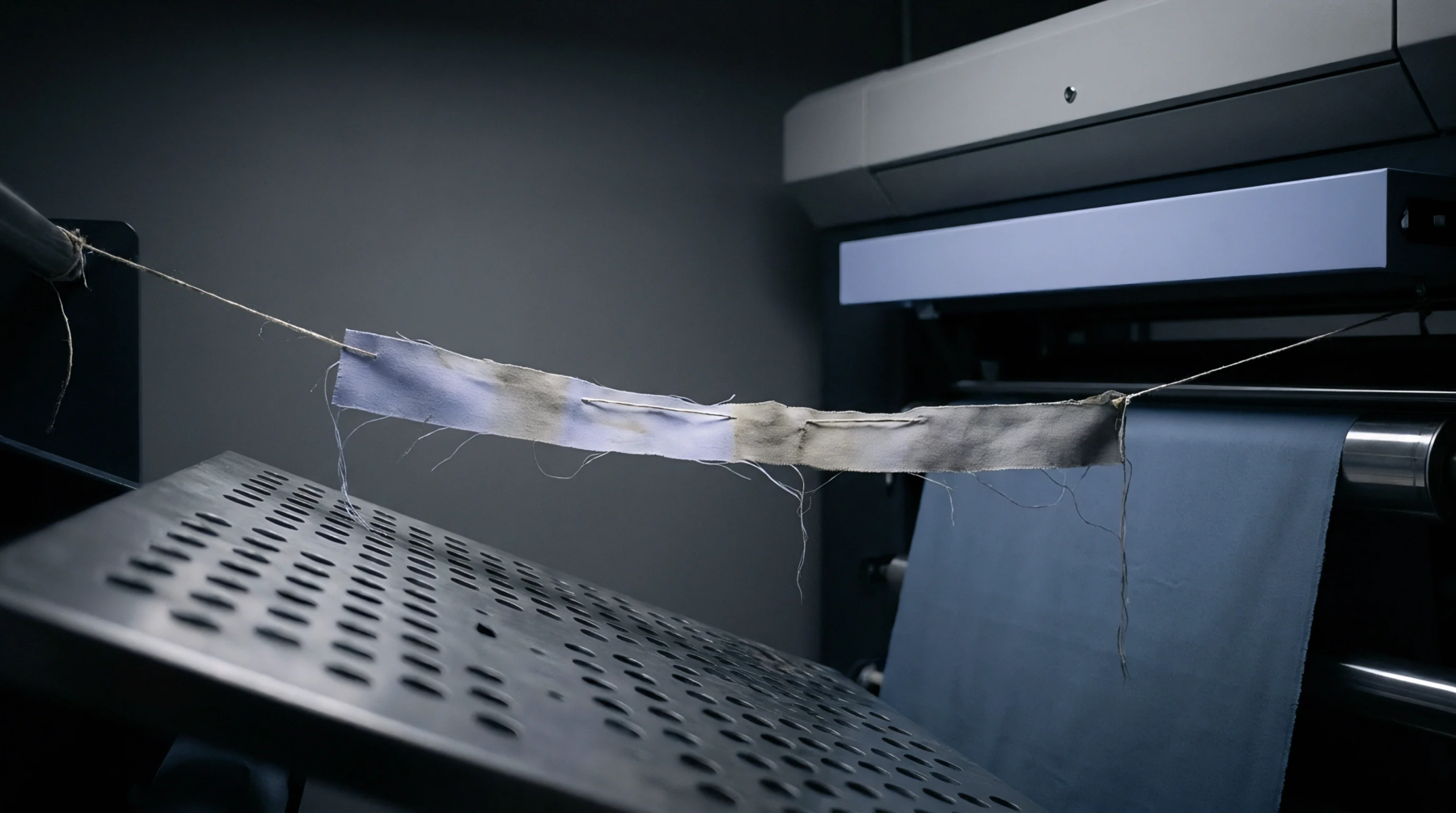
Synthetic polymer resins act as holding agents to secure insoluble color particles onto the surface of a textile substrate. The utilization of a pigment binder is essential in textile printing and pigment dyeing because pigments have no natural chemical affinity for natural or synthetic fibers. This polymer forms a thin, flexible film that traps the pigment particles and adheres to the fiber walls.
Chemical Curing
Heat treatment initiates a crosslinking reaction that transforms the liquid polymer into a durable solid film. This curing process usually occurs in a drying oven at temperatures ranging from one hundred and thirty to one hundred and fifty degrees Celsius. Inadequate heating results in incomplete polymer network formation, which causes the color to rub off easily during subsequent processing or garment wear.
Performance Trade
Balancing the soft feel of the fabric with the durability of the printed image requires careful selection of the polymer resin. Harder binders provide excellent washing resistance but can make the printed area stiff and uncomfortable against the skin. Soft polymers maintain a pleasant fabric feel but are more prone to mechanical wear and color loss during household laundry cycles.
This balancing act represents a critical challenge for printers who must meet strict performance specifications for kids’ clothing while maintaining a soft, comfortable handle.
Quality Control
Testing laboratories evaluate the performance of the applied polymer film through standard crocking and washing trials. If the fabric fails these tests, the finishing plant must adjust either the resin concentration or the oven residency time to ensure proper curing. This verification prevents the distribution of poor-quality prints that would peel or fade prematurely after a few wash cycles.