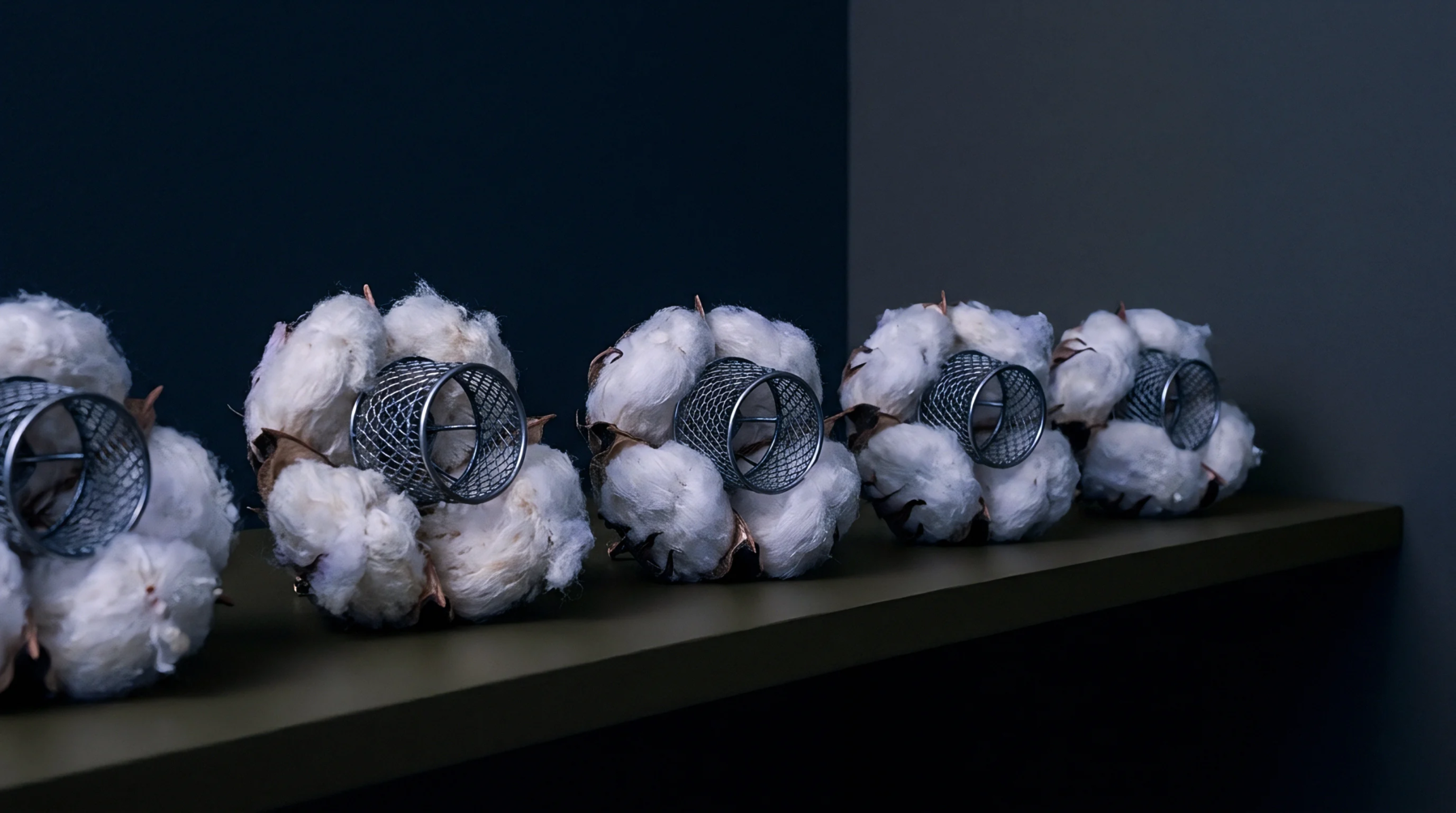
Near Infrared Penetration Limits in Dense Raw Cotton Streams
NIR radiation penetration limits in dense raw cotton restrict optical sampling to surface fiber layers, underestimating core moisture in compressed bales.
NIR radiation penetration limits in dense raw cotton restrict optical sampling to surface fiber layers, underestimating core moisture in compressed bales.

Mathematical alignment between screen and digital textile runs requires Kubelka-Munk spectral K/S matching and CIEDE2000 tolerance limits under dual illuminants.
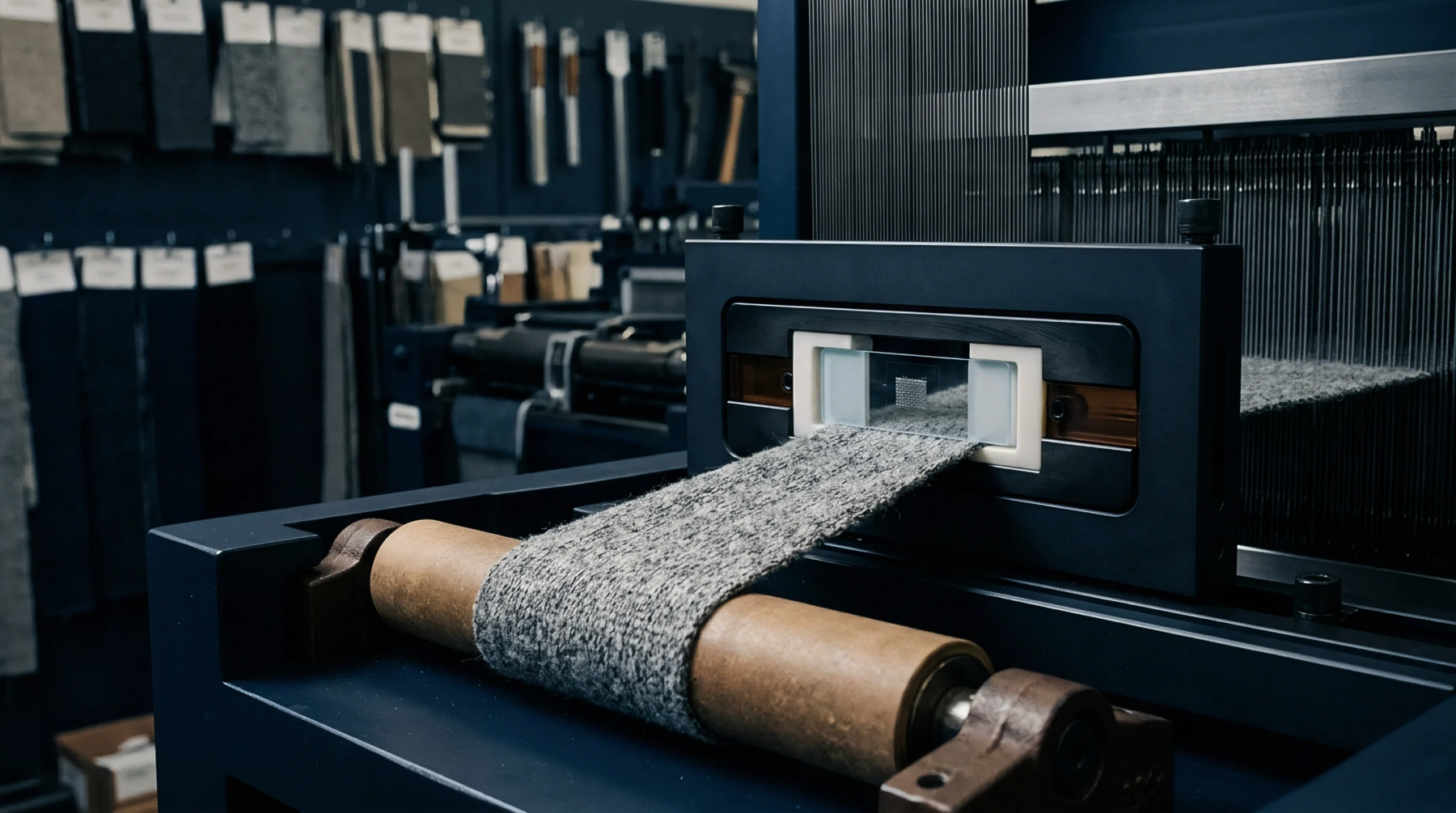
Calibrating inline spectral sensors against benchtop CIEDE2000 readings requires real-time moisture compensation matrices to correct optical water interference.
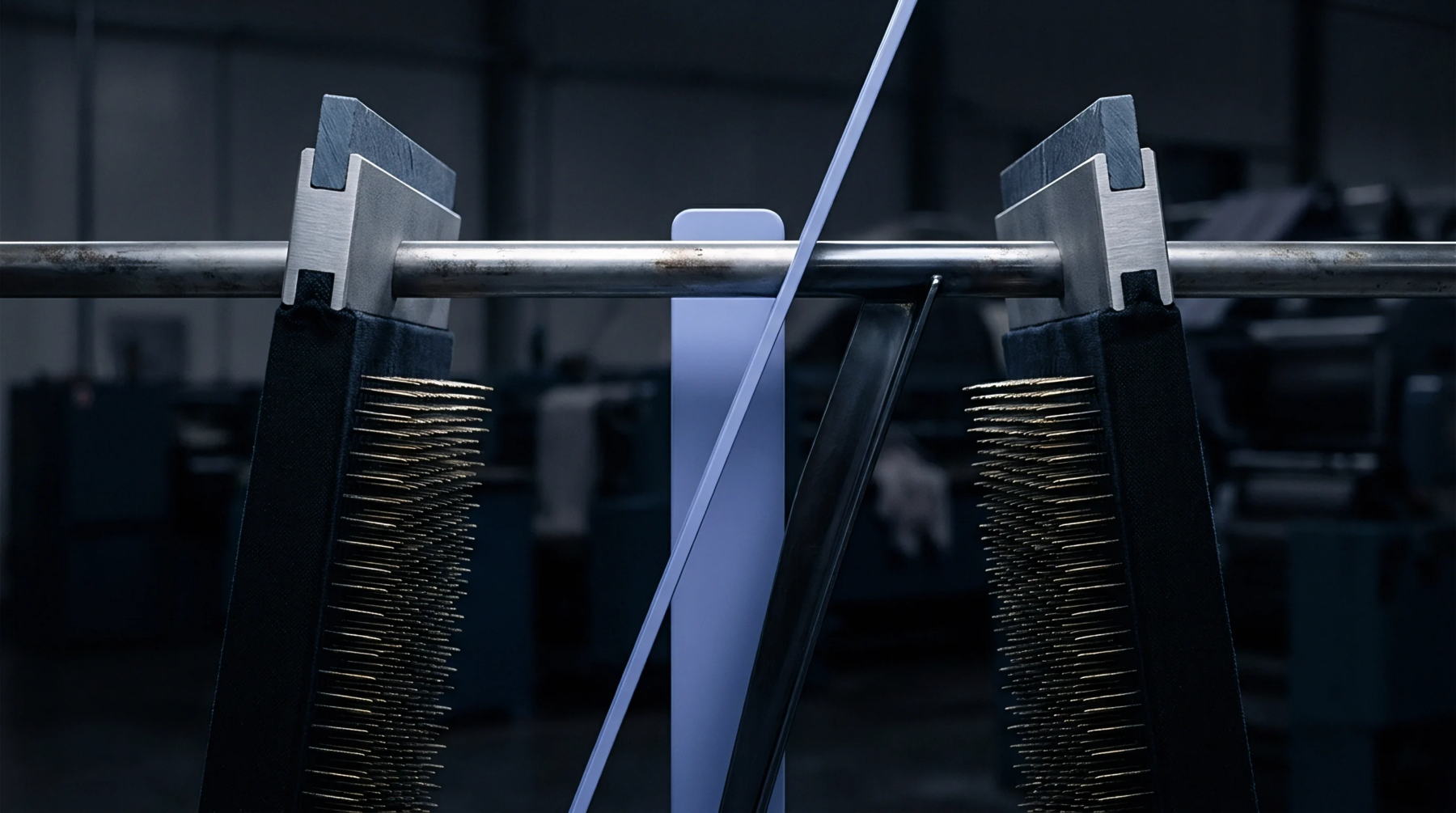
Calibration of spectrophotometer integrating spheres requires SCI mode and port sizes above 25 mm to eliminate micro-shadowing errors on textured weaves.
Resolving multiple optical scattering in dense pneumatic tuft streams isolates synthetic polymer fragments while keeping blowroom lint waste under zero point five percent.
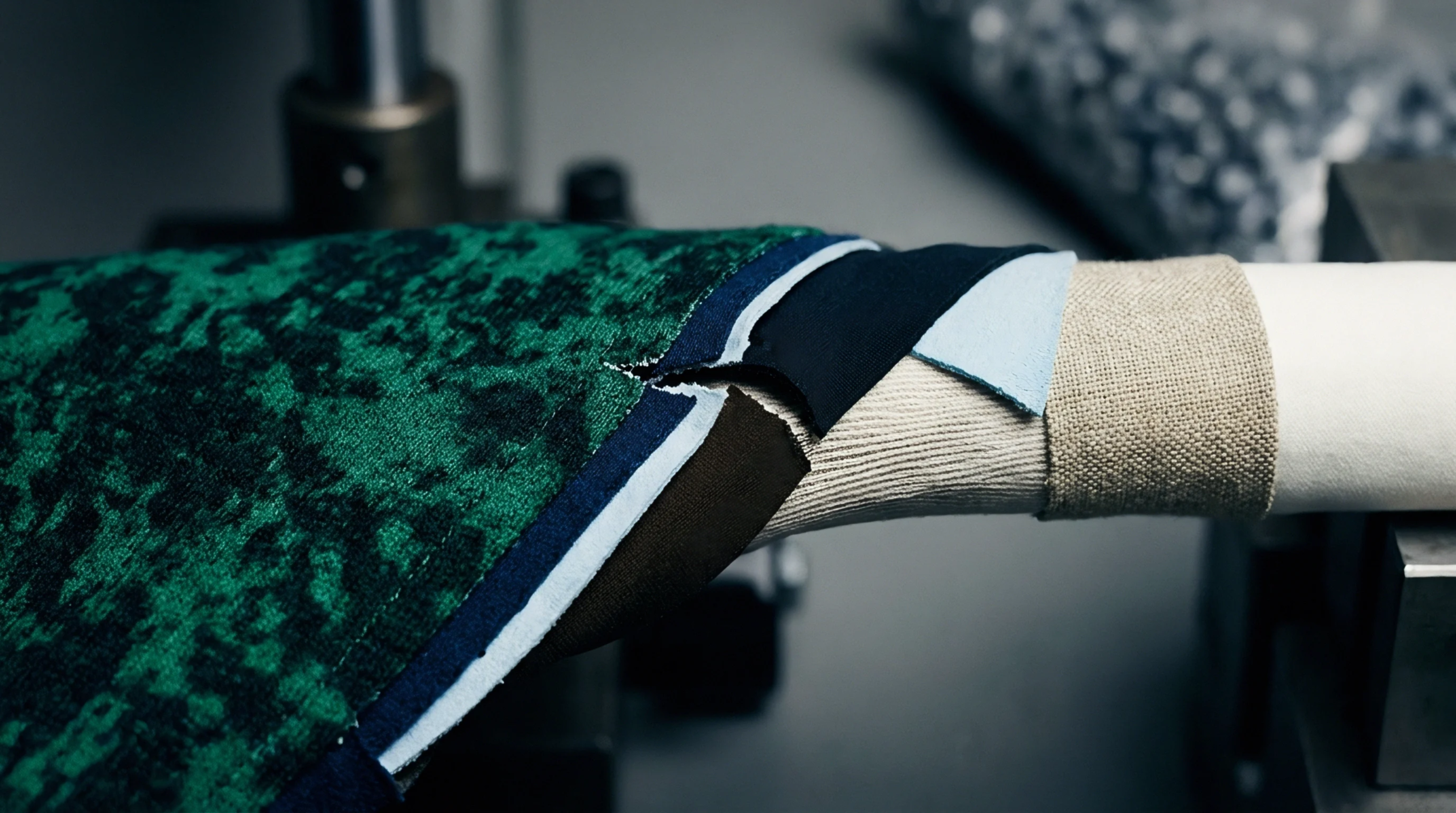
Optical attenuation correction in inline NIR textile sensors eliminates moving web scatter artifacts to deliver reliable real-time fibre composition analysis.
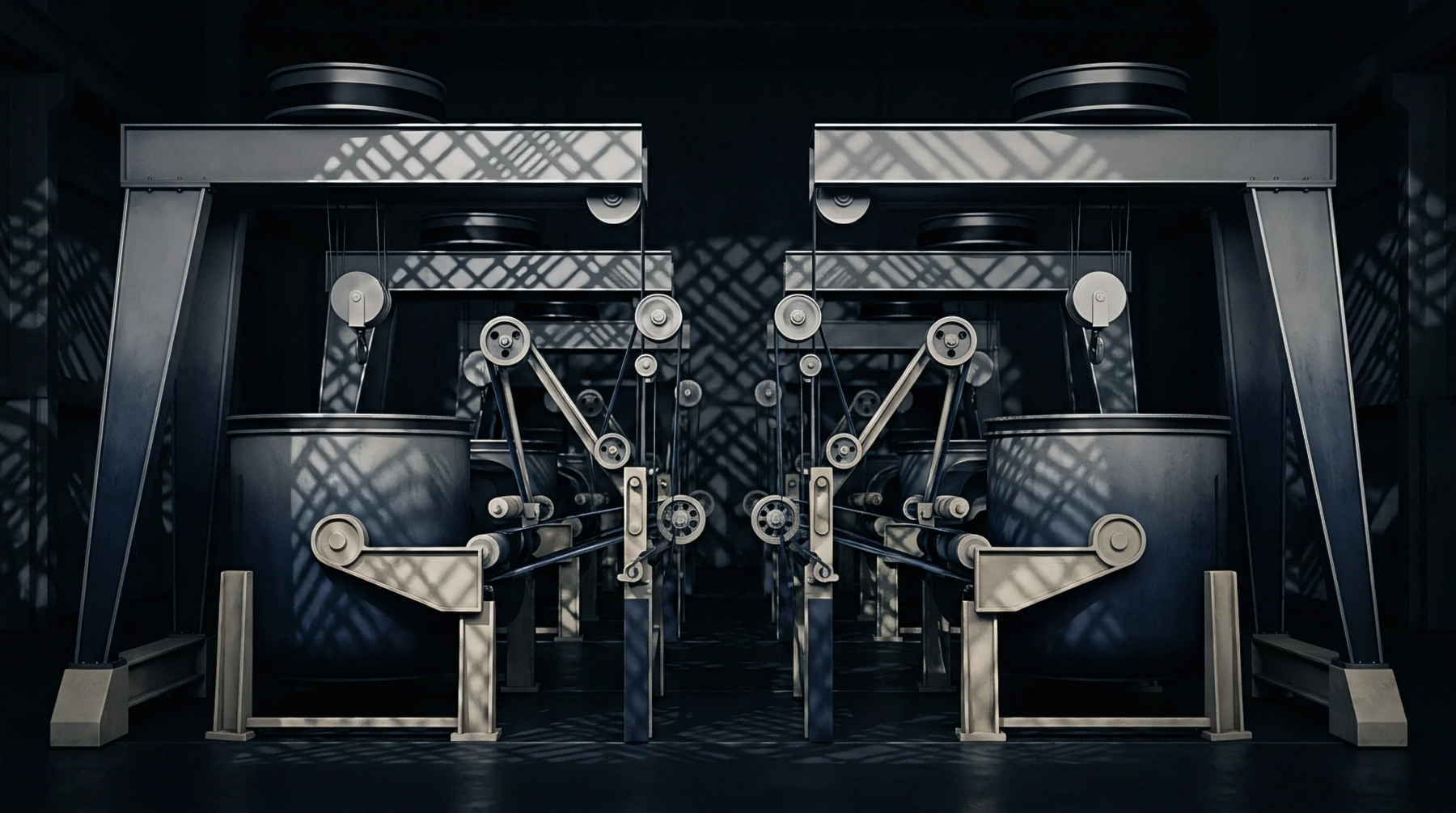
Standardizing digital reflectance matrices demands locking aperture diameters, port glass usage, sample orientation, and UV profiles across all participating mills.

Aligning print technologies requires specifying CIEDE2000 tolerances below 0.8, capping metamerism indices under secondary illuminants, and adjusting wet crock floors.
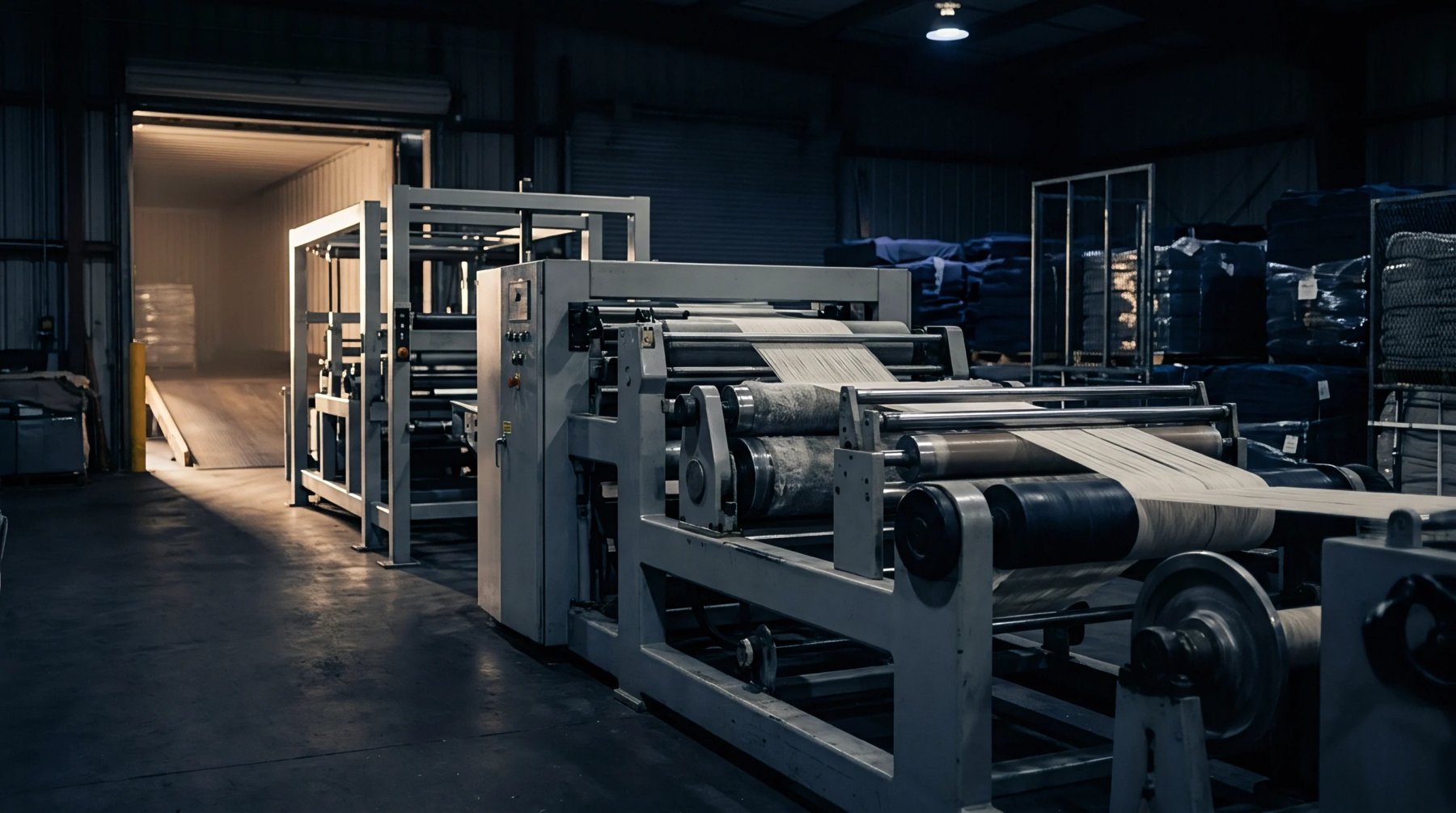
Industrial shade approval relies on daily white tile calibration, black trap zeroing, UV adjustments, and aperture matching across color measurement units.
Controlling multi-mill spectral reflectance variance requires standardized d/8° geometry, digital CxF3 master distribution, and strict CIEDE2000 tolerances.
Expertise is a utility, not a secret. sentiention™ publishes its working knowledge as open reference: intelligence layer covering the materials it sources, the markets it enters, and the reference that serves both.