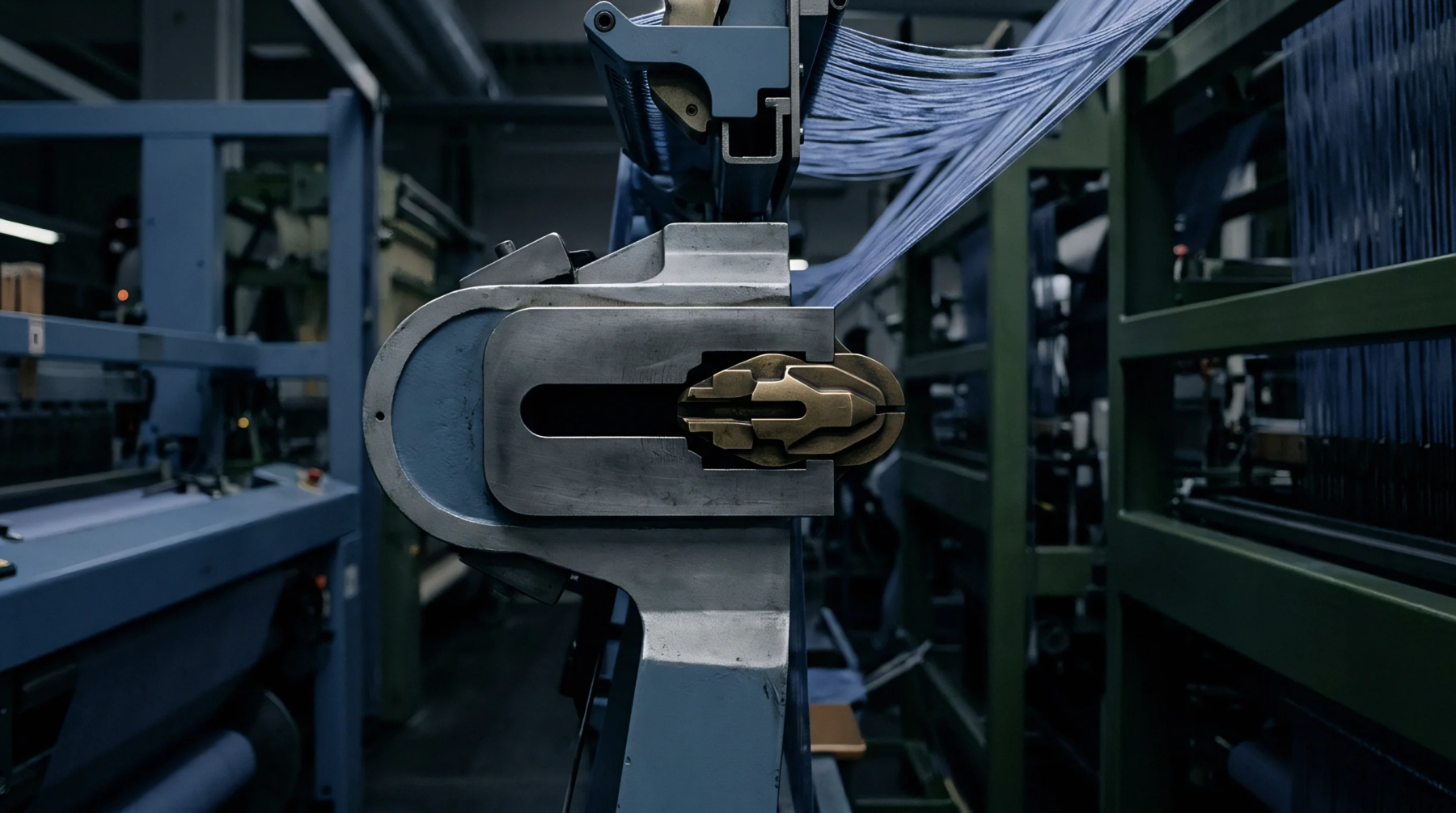
Width Differential
Stenter rail alignment determines the pin chain divergence during high temperature fabric heat setting. Mechanical tracking errors cause the distance between the two parallel pin chains to vary along the length of the drying chamber. Uniformity depends upon the synchronization of the sprocket drive motors and the rigidity of the steel frame housing.
Drive Asynchrony
Electronic sensors monitor the tension exerted on the selvedges to prevent internal stress patterns. A variance exceeding two millimeters results in bowed filling threads or irregular skew in the final woven construct. Operators calibrate the tracking servomotors whenever the width setting changes to maintain the target dimensions through the thermal zone.
Thermal Expansion
Metallic components of the pin chain assembly grow when exposed to the sustained heat of the stenter. Differential heating of the left and right rails alters the track spacing and introduces microscopic ripples into the synthetic fabric structure. Cold start conditions require a stabilization period until the mechanical gap reaches a steady state equilibrium.
Material Geometry
Tensile forces applied by the diverging pins dictate the stability of the textile grain before the cooling stage locks the shape. If the chain distance increases prematurely the warp yarns tighten and produce a distinct pucker along the edge. Consistent synchronization of these mechanical tracks represents the primary safeguard against permanent width distortion in industrial heat setting operations.