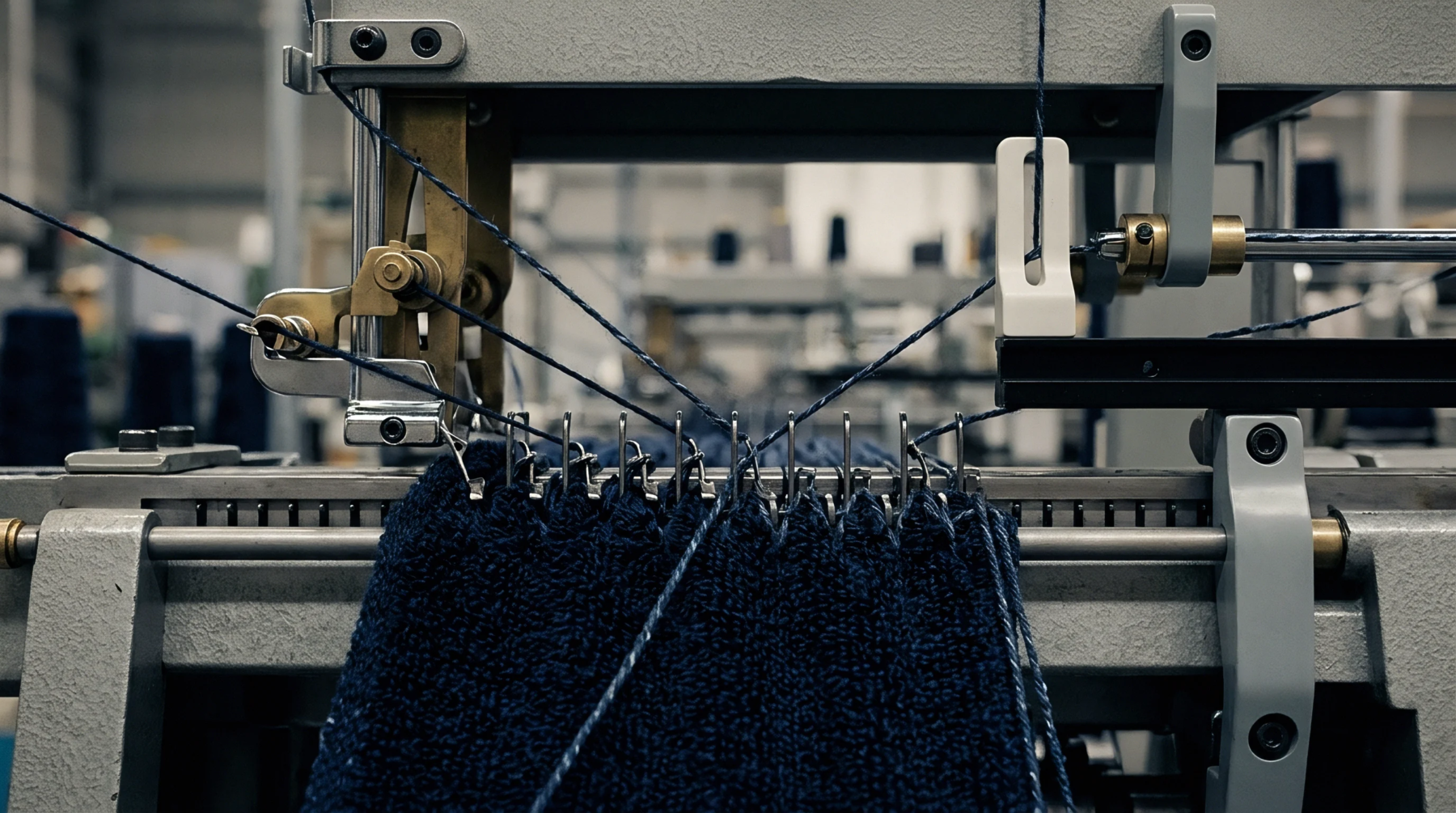
Fabric Construction
Vertical columns of yarn loops create a smooth surface on one side of a fabric while horizontal rows appear on the reverse. This basic construction defines plain knits and remains the most common structure for lightweight apparel. The arrangement is also known as a jersey stitch and represents the primary foundation for t-shirts and undergarments.
Dimensional Stability
Tendency of the material to curl at the edges is a primary challenge during the cutting and sewing of this fabric type. Because plain knits have an unbalanced tension between the front and back loops, the fabric naturally rolls toward the face along the top and toward the back along the sides. High speed garment factories use specialized edge flattening attachments on sewing machines to manage this behavior.
Physical Property
Stretchability in the horizontal direction is greatly higher than in the vertical direction for these fabrics. This elasticity allows plain knits to conform to the body without the need for complex tailoring or multiple seams. However, the structure is prone to laddering or running if a single loop is broken, which necessitates high quality yarn with consistent strength.
Technical Specification
Production occurs on circular or flatbed machines using a single needle bed. The density of the fabric is measured in grams per square meter and is controlled by adjusting the stitch length or the yarn diameter. Correct calibration of the machine ensures that the final garment maintains its shape and does not twist after laundering.
Technicians monitor the tension of the incoming yarn to prevent the formation of uneven rows that could lead to spirality in the finished shirt. This attention to detail at the mill level is what separates premium jersey from low grade commodity fabric used for disposable items.