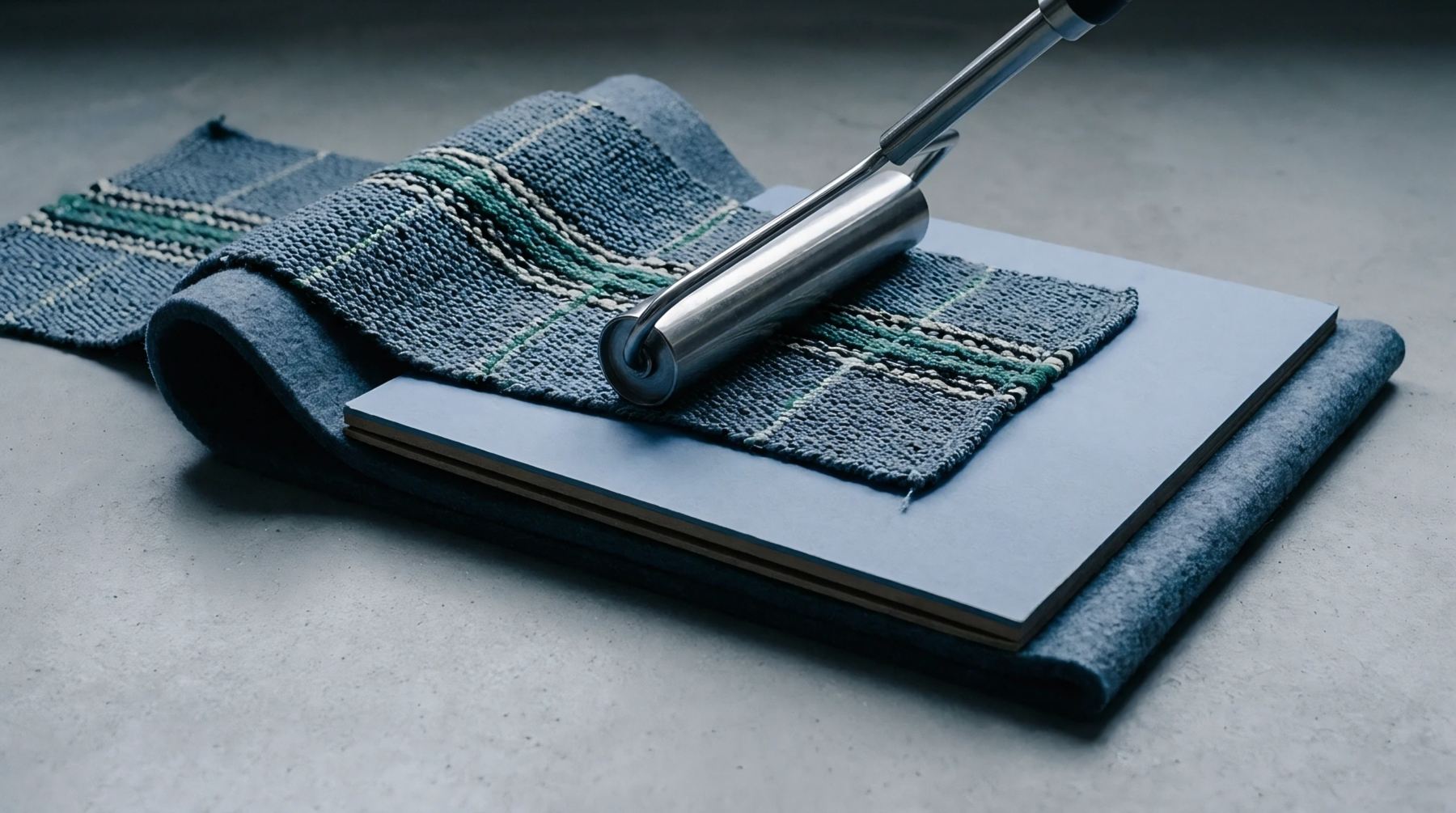
Helical Geometry
Torsional orientation introduced during yarn folding operations binds individual component strands into a unified multi-ply structure. In yarn manufacturing, ply twist defines the number of turns per unit length inserted when twisting together two or more single yarns. Direction is designated as S or Z twist, with folding typically performed in the opposite direction of the single yarn twist to create a balanced structure.
Torque Neutralization
Inserting secondary twist in reverse direction untwists the single components slightly while locking them into a stable helical configuration. Balanced structural state prevents spirality in knitted fabrics and skewing in woven constructions. Unbalanced torsional forces cause fabric bias and seam distortion.
Physical Character
Increasing ply twist elevates yarn strength, strand compactness, pilling resistance and abrasion resistance up to a critical threshold, beyond which tensile strength declines due to fiber shear stress. Higher twist levels produce firm hand feel and reduced fabric luster, whereas lower twist levels yield soft hand, greater bulk and increased dye uptake. Technical fabrics specify precise twist multipliers to balance structural firmness against tear strength performance.
Mill Control
Quality testing measures turn counts using unwinding twist testers to verify compliance with specification tolerances. Incorrect ply twist leads to spirality defects and inconsistent fabric width.