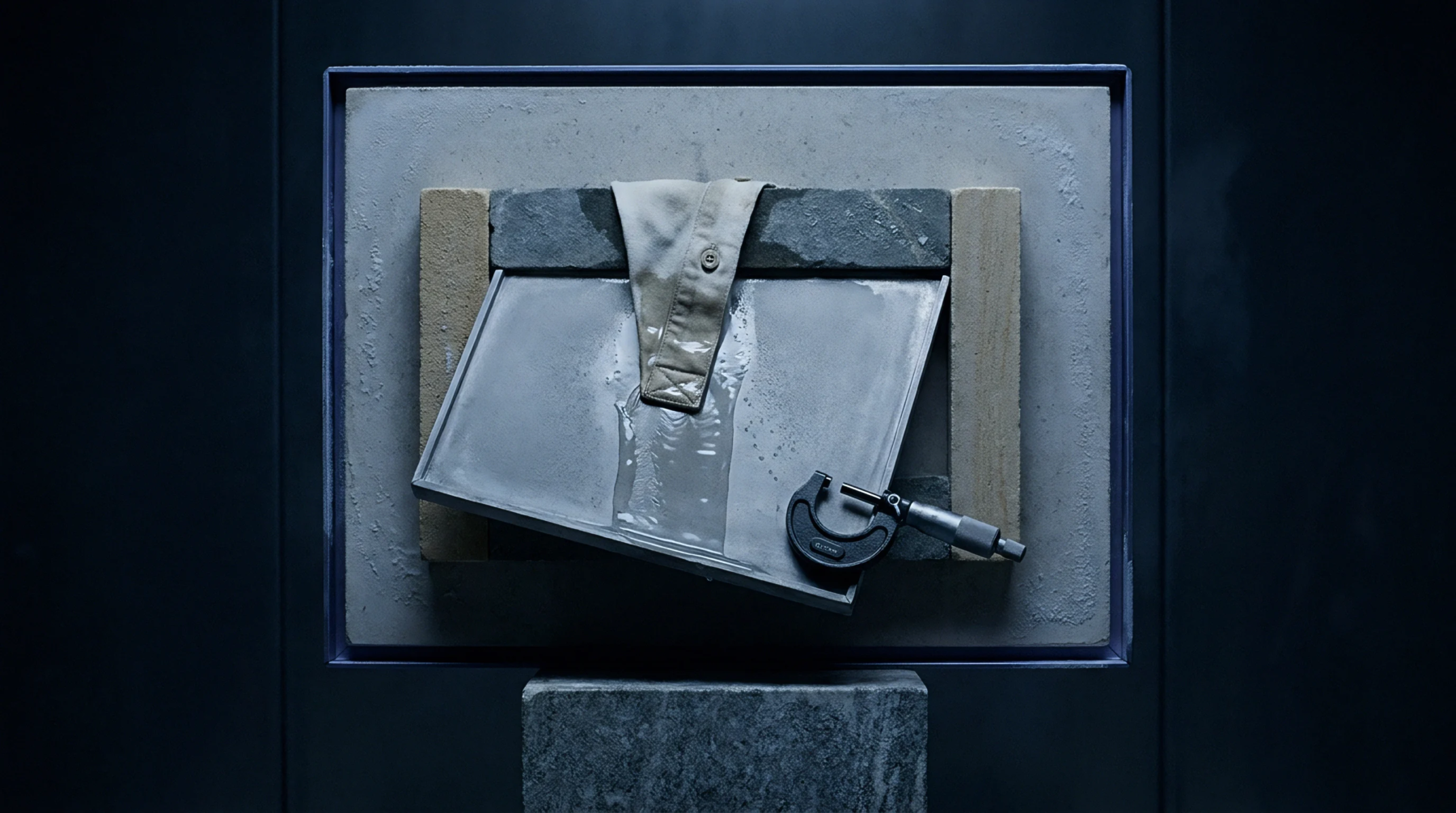
Pneumatic Force
Force applied by air-driven pistons to the gripping surfaces of a testing machine secures the specimen during evaluation. Correct pneumatic clamp pressure prevents the material from sliding out of the grips while under tension. This setting is usually measured in bars or pounds per square inch.
Grip Integrity
Excessive force can damage the fibers at the edge of the jaw and lead to premature failure of the sample. When pneumatic clamp pressure is too low, the specimen slips, which produces a false elongation reading in the test report. Technicians adjust the regulator to match the density and thickness of the fabric being tested.
Digital sensors often monitor the pressure to ensure it remains constant throughout a series of multiple tests.
Regulator Adjustment
Monitoring of the grip force ensures that every sample is held with the same intensity. Pneumatic clamp pressure remains stable even as the material thins under load. Proper maintenance of the air lines prevents fluctuations that could compromise the test results.
Pressure Control
Automated systems allow the user to set the exact force required for different textile standards. Consistency in the clamping phase is necessary for the reproducibility of tensile strength data. Digital sensors provide a continuous record of the clamping force to maintain audit compliance.