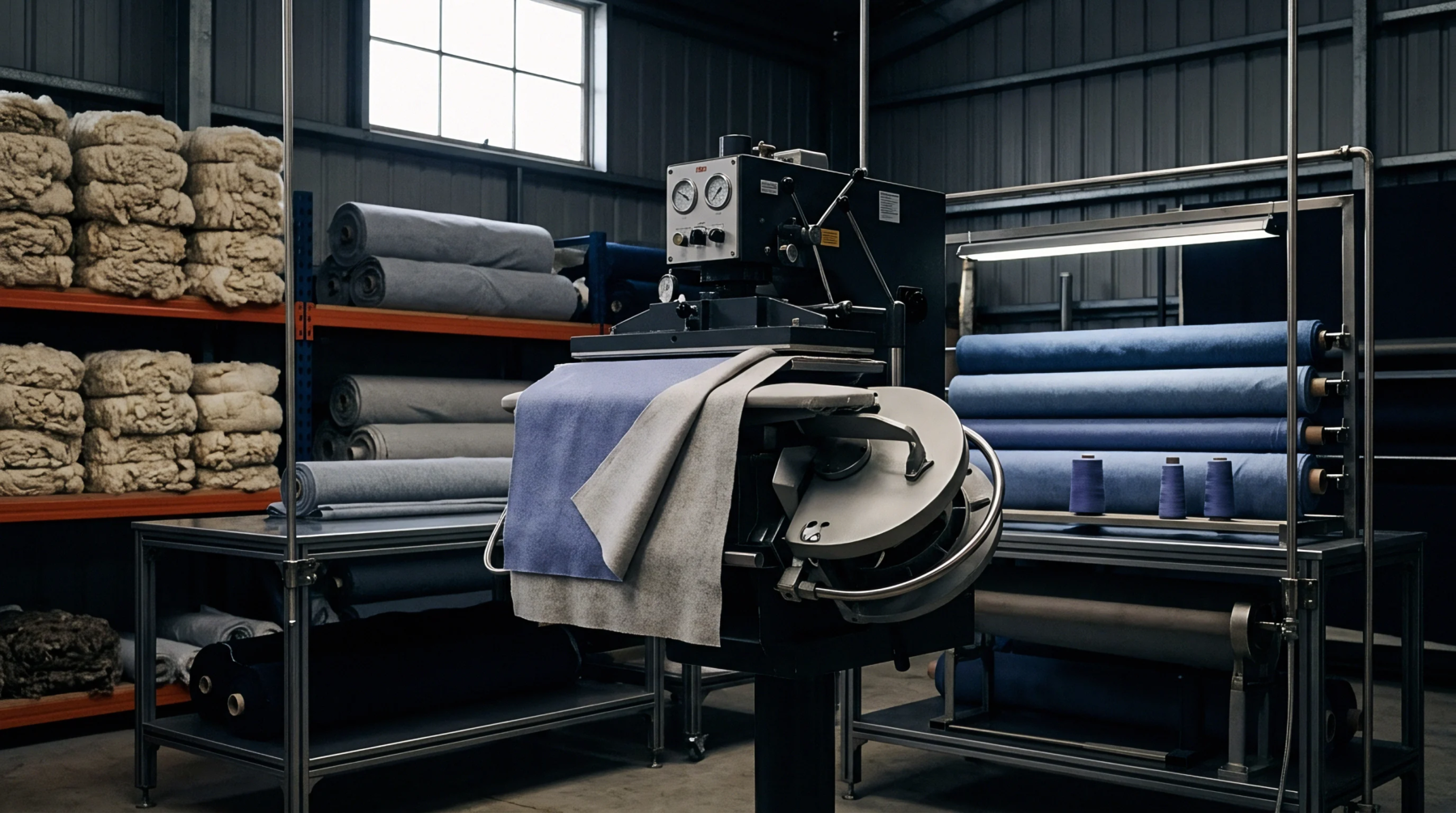
Specimen Gripping
Mechanical holding device uses compressed air to secure textile specimens during physical testing. Pneumatic clamps apply a constant holding force across the entire width of the sample, preventing fabric slippage inside the jaws. These specialized grippers are essential for obtaining reproducible tensile strength and elongation results.
Pressure Uniformity
Tensile properties of woven and knitted fabrics vary widely based on yarn structure and fabric construction. When using pneumatic clamps, the laboratory technician can adjust the air pressure to match the specific fabric weight and density. This adjustability prevents the jaws from crushing delicate fibers while still providing sufficient grip to resist pulling forces during testing.
Proper pressure distribution minimizes the occurrence of jaw breaks, which occur when a specimen fails right at the edge of the clamp.
Testing Precision
Manual clamps often introduce human error due to variations in how tightly operators turn the clamping screws. The use of pneumatic clamps ensures that every specimen in a test series is held under identical pressure conditions. This standardization improves the statistical reliability of the recorded breaking strength data.
Operational Efficiency
Production laboratories handle hundreds of fabric swatches every day to verify mill shipments. Pneumatic clamps increase the speed of the testing process by allowing rapid sample insertion and release with a foot pedal. This increased throughput reduces the time needed to approve fabric batches for the cutting room.