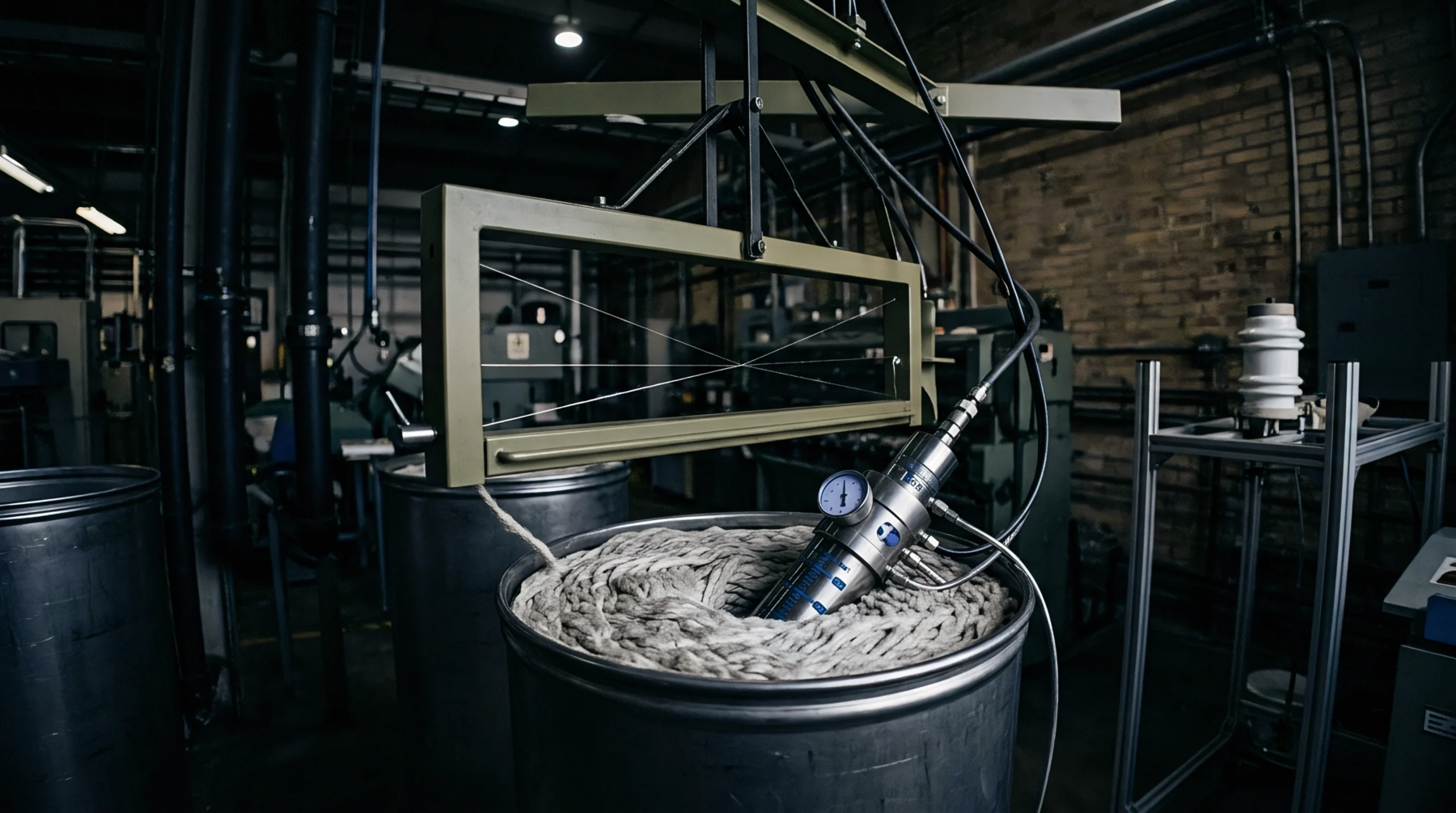
Knitting Category
Warp-knitted textile structures manufactured on machinery utilizing latch needles and high-angle thread guide bars generate openwork, technical, and pile fabrics. In industrial manufacturing, raschel machines distinguish themselves from tricot equipment by accommodating coarse yarn counts, spun yarns, and high-tension lay-in threads. Needle bars oscillate vertically while guide bars swing across the needle line, lapping warp yarns to form pillar chains and complex mesh patterns.
Commercial applications range from automotive headliners and geotextile stabilization grids to intimate lace and structural spacer fabrics. Machines can incorporate up to ninety-five guide bars to create structural surface variations without weaving downtime.
Machine Kinematics
Needles mount vertically in a needle bed moving in synchrony with a sinker bed that restrains the textile structure during stitch formation. Compound or latch needles receive warp threads delivered by swinging guide bars controlled via jacquard systems or mechanical pattern chains. Knock-over plates support the loops while the newly formed courses slide down the needle shafts during downward bar displacement.
Lay-in guide bars move parallel to the needle bed across multiple needle pitches without forming knitted stitches, embedding structural yarns. High-speed electronic guide drives allow dynamic tension adjustments across each distinct yarn beam line.
Fabric Characteristics
Geometrical configurations feature superior structural stability along warp and weft axes compared with standard weft-knitted jerseys. Open aperture meshes resist yarn slippage and laddering when punctured because pillar stitches anchor adjoining transverse underlaps. Double-needle-bar machines construct three-dimensional spacer fabrics featuring resilient monofilament middle layers between two independent face fabrics.
The resulting warp-knit raschel materials exhibit high air permeability and compression recovery suitable for footwear uppers and performance athletic apparel. Fabric tear strength tests confirm uniform load distribution along laid-in continuous filament networks.
Production Verification
Factory quality audits inspect fabric width consistency, course density, and needle run marks caused by bent latch needle heads. Defects such as missing underlaps or broken lay-in filaments trigger automated laser monitoring stops directly at the machine face. Finished fabrics undergo dimensional stability testing under wash-and-dry cycles to verify cross-directional shrinkage compliance.
Elongation testing via tensile grips checks modulus curves across directional axes to confirm structural load ratings. Fabric inspection frames document warp streak defects before goods clear for heat-setting stenters.