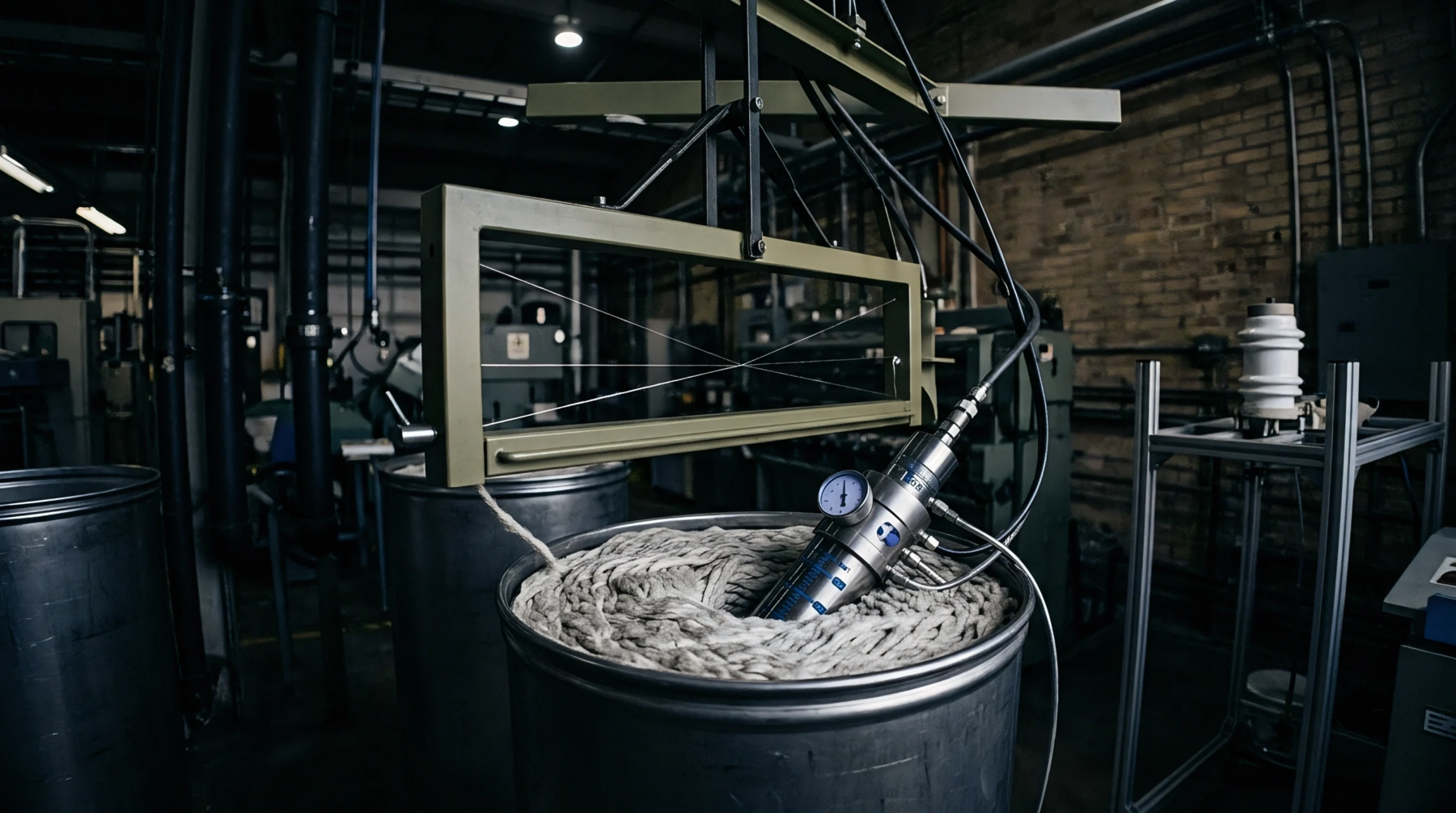
Solvent Separation
Solute separation using specialized chemical solvents isolates unfixed and covalently bound colorants from dyed cellulosic materials for quantitative analysis. Laboratory reactive dye extraction strips dyestuff from fiber matrices to evaluate fixation efficiency and diagnose shade unlevelness. The method applies to knitted or woven fabrics dyed with vinyl sulfone or chlorotriazine chemistry.
Extraction protocols cease to yield valid quantitative data if solvent systems degrade the parent dye chromophore or dissolve the underlying cellulose polymer base.
Reflux Procedure
Aqueous pyridine solutions or dimethylformamide mixtures disrupt non-covalent interactions to remove physically entrapped dyestuff from substrate pores. Accelerated reactive dye extraction under reflux conditions isolates unfixed hydrolyzed dye fragments without breaking covalent ether linkages between fixed dye and cellulose. Chemical boiling steps remove surface color, leaving only fixed dye covalently anchored to the fiber backbone.
Bond Cleavage
Enzymatic or strong acid hydrolysis breaks down the cellulose matrix when total dye load determination requires complete fiber dissolution. Acid digestion converts cellulose into soluble glucose units while liberating bound dye molecules for optical concentration measurements.
Analytical Boundary
Analytical precision requires complete removal of residual processing auxiliaries prior to extraction procedures. Interfering surfactants or cross-linking resins alter extraction yields during reactive dye extraction, introducing error into spectrophotometric concentration curves. Standardized extraction protocols specify exact boiling times and bath ratios to secure reproducible quantitative results across testing laboratories.