Width Variation
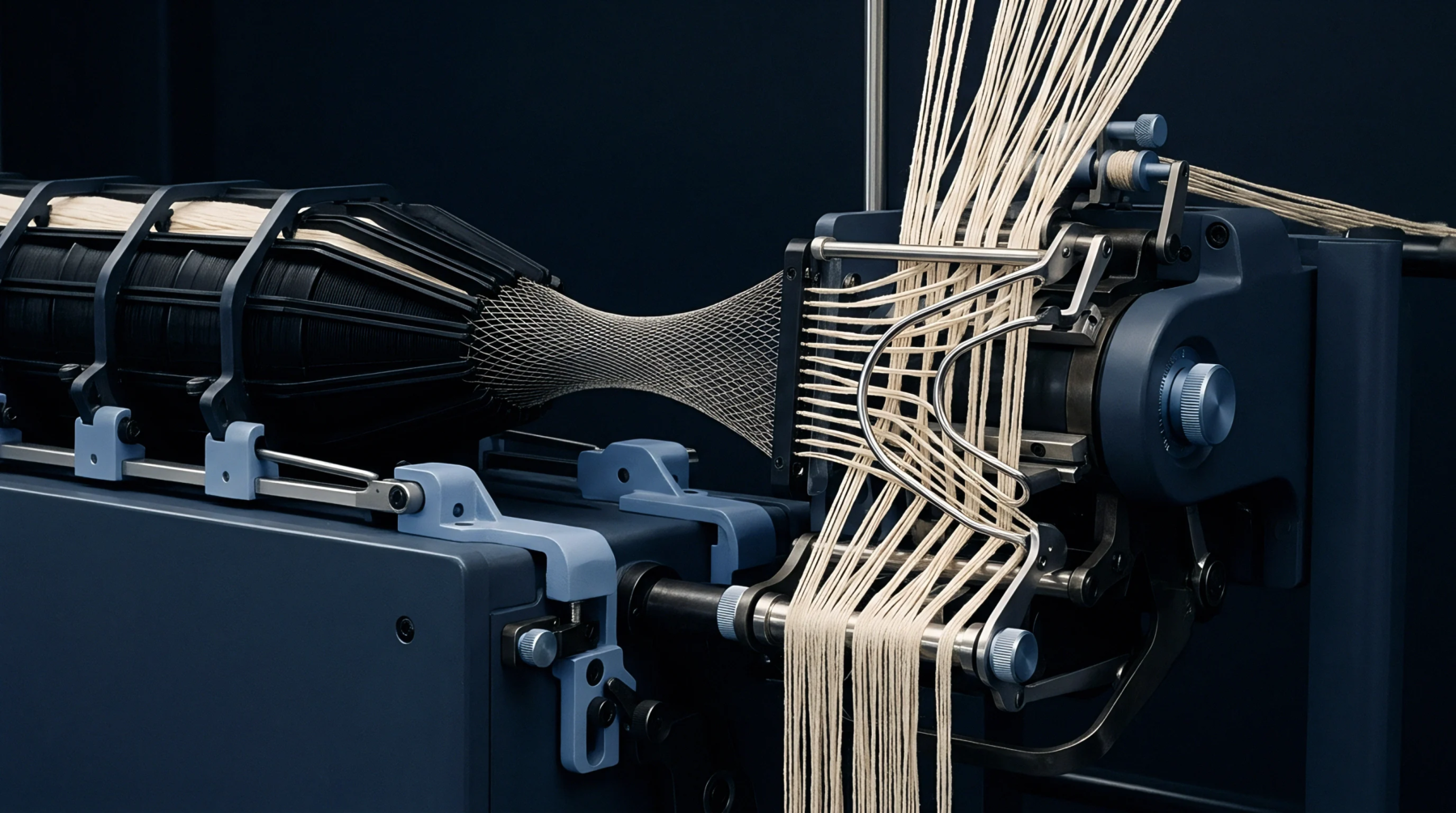
Weaving mechanics dictate that fabric width on the loom is always narrower than the width of the yarn sheet as it passes through the reed. The difference between these two widths defines reed width contraction, which occurs because the filling yarn pulls the selvedge yarns inward during pick insertion. This contraction varies by weave density.
Yarn Tension
Warp yarn tension levels directly influence the degree of contraction during weaving. Low tension lets the weft pull the warp edges further inward, causing high reed width contraction and increasing yarn abrasion. High tension keeps the width closer to the reed width.
Fabric Planning
Correct calculation of the reed width is essential to achieving the targeted greige fabric width. To calculate the starting reed width, designers must add the estimated reed width contraction to the desired greige width.
Loom Setting
Improper width calculations during loom setup cause severe weft breaks and selvedge damage. When the reed width contraction is too high, the selvedge yarns suffer excessive friction as they pass through the reed dents, causing frequent loom stops and fabric defects. Mechanics adjust the temple rollers to grip the fabric edges and control this narrowing effect, ensuring consistent fabric width throughout the entire production run.