Dispute Resolution
Arbitral testing functions as an independent technical assessment executed when a mill and a buyer obtain conflicting data regarding the physical or chemical properties of a fabric shipment. When merchant laboratories provide divergent results for the same textile quality parameter, referee laboratory testing acts as the final evidence to settle the dispute. This mechanism addresses variances in dye penetration, fibre diameter, or tensile strength that occur during quality control cycles.
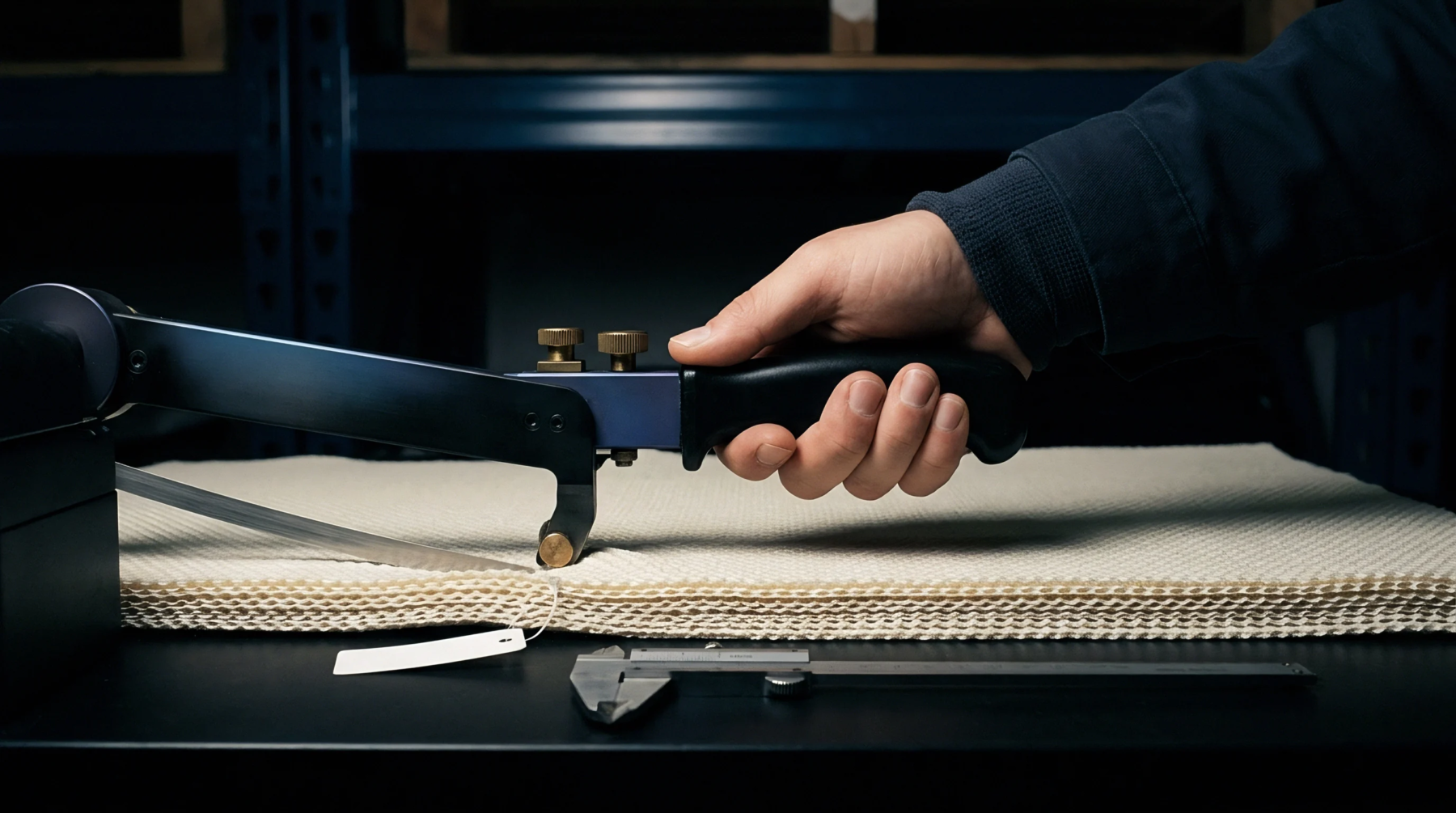
A third party laboratory, neutral to the initial commercial relationship, performs the analysis. The procedure requires samples taken directly from the bulk production lot to ensure the findings represent the actual shipment. Once the findings reach the parties involved, the data overrides previous internal or vendor measurements.
Analytical Procedure
Specific standards govern how the neutral laboratory handles the material. Technicians identify the precise test method applied by the initial parties and replicate that protocol using calibrated equipment. Temperature and humidity levels remain constant within the lab environment to prevent environmental interference from altering the fiber response during the measurement of elongation or moisture regain.
The technician records the variance between the reported values from the original labs and the new findings. If the measurement falls outside the established tolerance range for the fabric type, the sample fails the validation.
Commercial Impact
Financial settlements depend upon the numerical output generated by the test. If a buyer rejects a shipment based on a quality failure and the referee results support the original vendor data, the buyer covers the cost of the additional analysis. Conversely, a confirmation of the defect places the burden of logistics and retesting fees back onto the mill or production facility.
Contracts often state that these findings serve as the binding authority for calculating the deduction in the price of the goods. Factories maintain production logs that allow inspectors to isolate the specific shift or knitting head that produced the rejected units. This focus prevents unnecessary waste while ensuring the claim rests on factual evidence rather than subjective visual assessment.
Operational Boundary
Legal weight for the data exists only when all parties agree upon the neutral lab choice before the samples are dispatched for analysis. The scope of the evaluation stays limited to the properties specified in the purchase order. Measurements of fabric weight or composition remain fixed at the moment of testing regardless of changes during subsequent processing in a garment factory.
If the testing lab determines the sample integrity was compromised during transit, it invalidates the results and requests a fresh shipment from the warehouse. A lack of agreement on the sampling methodology prevents the test from providing a definitive answer to the disagreement. Neutrality resides in the strict adherence to the agreed protocol rather than the identity of the testing organization itself.