Dimensional Recovery Phase
Physical stress relief stages in knitted and woven structures release internal yarn and loop tensions introduced during mechanical fabrication, chemical processing, and roll batching. Relaxation states mark standardized degrees of structural dimensional stability, progressing sequentially from machine-off dry relaxation to full wet and tumbled equilibrium phases. Test standard ISO 6330 and corresponding AATCC methods anchor these structural conditions to determine authentic garment cut dimensions and calculate potential consumer shrinkage accurately.
The concept ceases to apply once fabrics reach absolute structural equilibrium where further mechanical or wet energy inputs generate no dimensional change.
Dry Equilibrium Stage
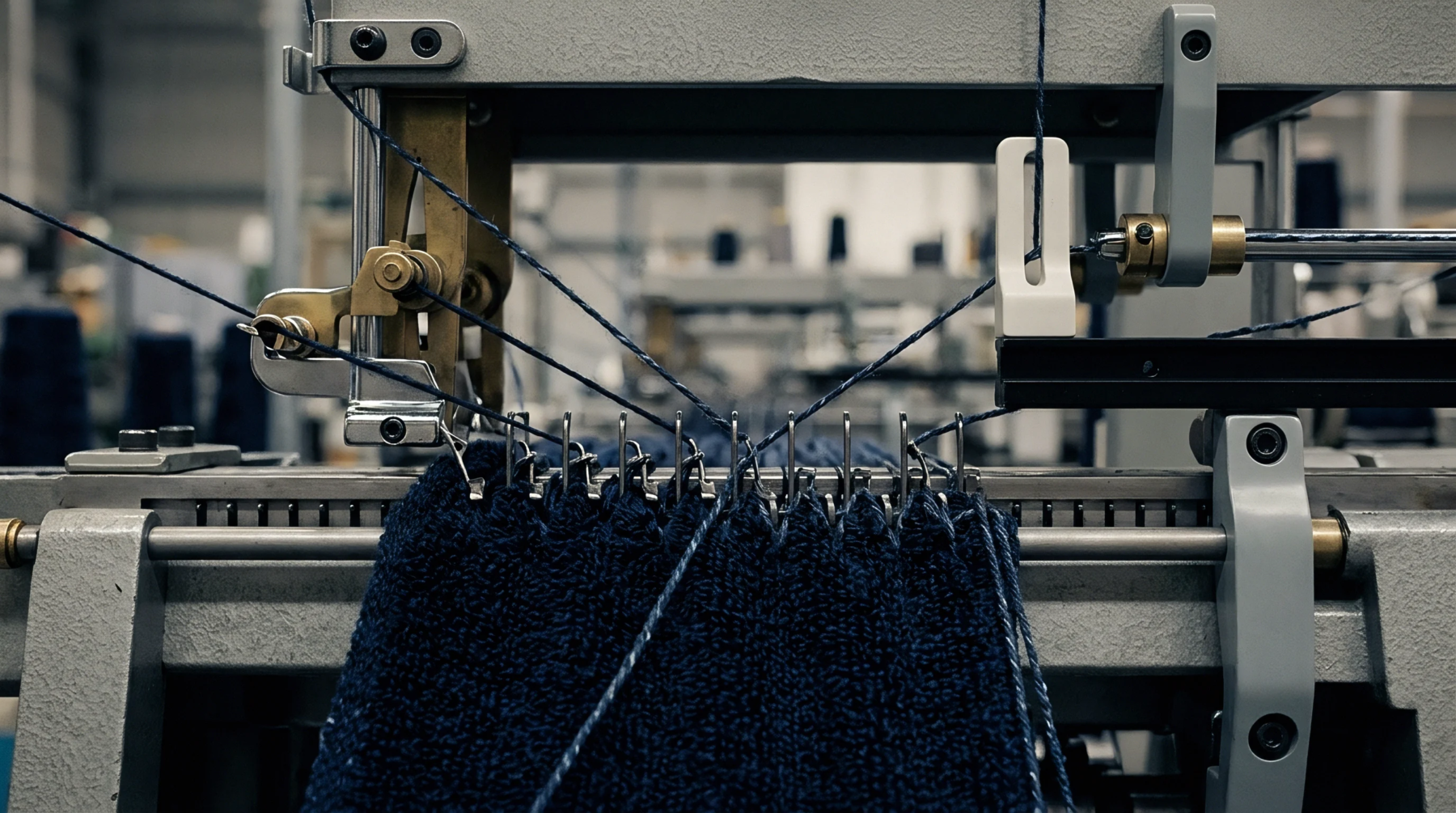
Freshly knit fabric off circular machines carries high internal mechanical stress induced by take-down pull rollers and high-speed needle hook deflection. The dry relaxation state requires laying cut fabric panels flat on frictionless, conditioned tables for minimum durations ranging from twenty-four to forty-eight hours without tension. Loop heads shift closer together as elastic internal yarn torques balance out under ambient air conditioning.
Widthwise dimensions widen while running length contracts noticeably during this initial unconstrained rest phase. Fabric density rises steadily during this structural rest window.
Wet Tumble Optimization
Complete dimensional stability requires dynamic aqueous energy to overcome internal yarn-to-yarn frictional locks established during weaving or knitting. Achieving the full wet relaxation state involves warm-water immersion, gentle surfactant agitation, and unconstrained hot-air tumble drying cycles. Water relaxes hydrogen bonds inside cellulosic fibers, clearing machine-induced yarn strains and enabling circular knit loops to adopt their circular three-dimensional geometries.
Synthetic knits demand thermal energy matching their glass transition temperatures to relax fully. Dimensional shrinkage accelerates across the initial three laundry rounds.
Shrinkage Calculation Metrics
Garment pattern development teams evaluate progressive relaxation states to calibrate pattern grading templates against expected operational wash shrinkages. Measuring fabrics only in dry-relaxed conditions yields flawed cut specifications, resulting in garments that shrink aggressively out of tolerance upon initial consumer washing. Garment factories test dimensional metrics at every stage, contrasting dry, wet, and fully tumbled values.
Fabric buyers reject bulk dye lots demonstrating more than five percent length shrinkage between the finished delivery state and the fully relaxed phase. Pattern adjustments offset stable residual shrink rates.