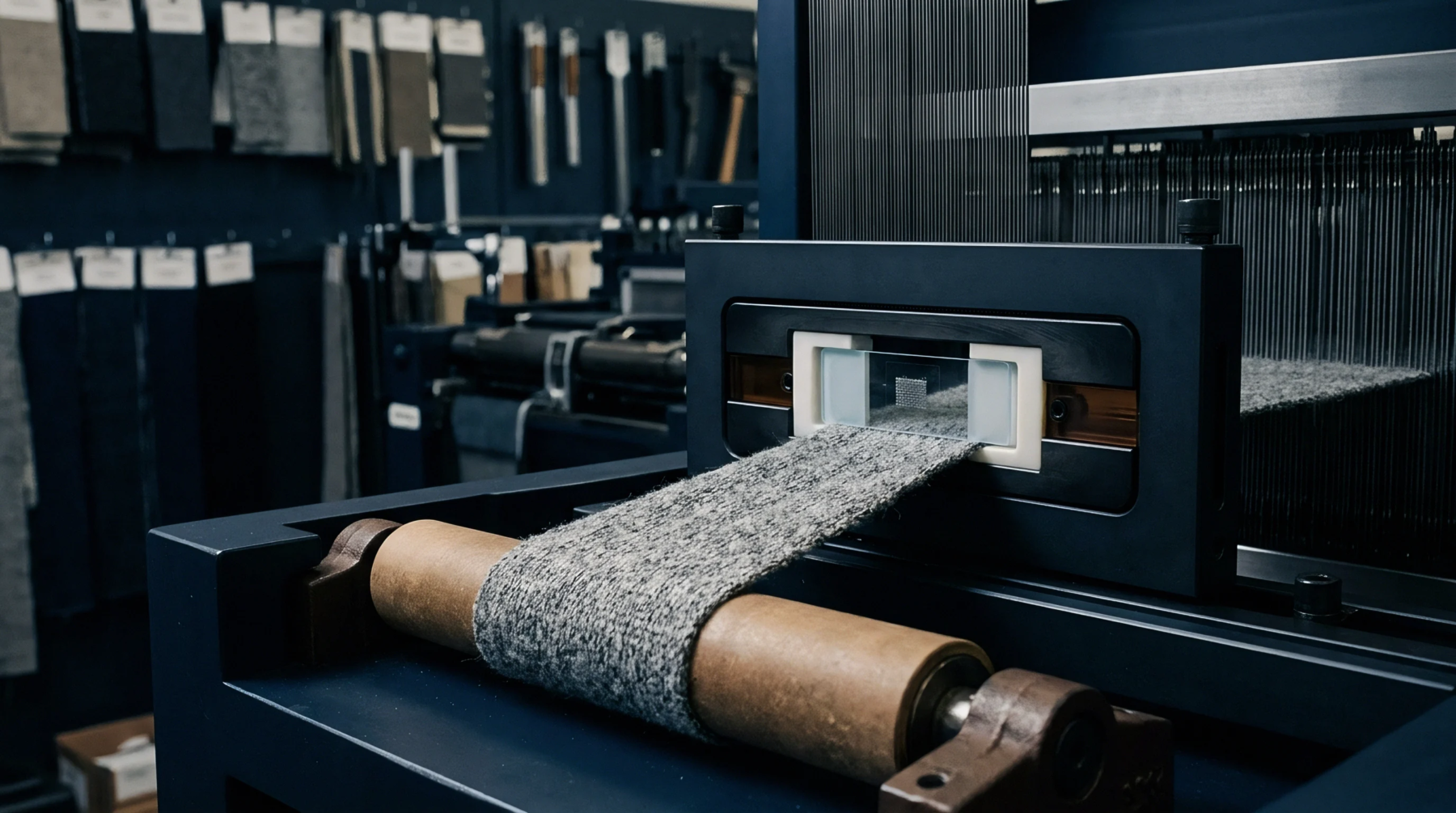
Verifying Repeat Fabric Orders against Existing Type Approvals
Repeat order verification relies on targeted chemical screening and transaction document cross-checking to confirm batch conformity against baseline approvals.
Commercial procurement protocols track supply chains through multiple cycles of demand to maintain consistent quality benchmarks across separate manufacturing runs. These repeat fabric orders represent a standing commitment between a converter and a textile mill to deliver identical material specifications on a rolling schedule. The definition relies on strict adherence to a baseline sample signed off during the initial development phase.
A mill must demonstrate production stability within defined tolerance limits for weight, color fastness, and fiber composition before a purchasing department grants status as an approved repeat supply. When these metrics deviate from the master reference, the entire batch fails inspection regardless of how closely it resembles the original visual shade.
Establishing a technical control allows teams to anchor future shipments against a primary yardage sample rather than digital color specifications alone. This strategy guards against variance in loom tensions or chemical concentration in dye vats during subsequent processing cycles. Each shipment undergoes testing for shrinkage and pilling to verify that the mechanical finishing steps match those of the preceding load.
Mill performance stays linked to these recurring benchmarks because any deviation necessitates a complete recalibration of the equipment settings. Discrepancies often arise from raw material sourcing shifts where a supplier changes a fiber lot but expects the mechanical output to remain constant. Buyers verify these properties through independent lab testing to ensure that the fabric maintains the required touch and drape through every arrival.
Periodic procurement sequences dictate how mills schedule their weaving windows and dye house operations to satisfy lead time requirements. A contract typically bundles a series of fixed quantity releases that span the duration of a production season. This arrangement provides the mill with a predictable order flow, while the garment factory gains access to buffer stock that resides in a regional warehouse.
Inventory turnover depends on the speed at which the factory consumes this fabric and initiates a request for replenishment from the remaining pool. When supply chain visibility remains high, shipping lanes operate at lower cost because the material moves through established corridors without the constant need for expedited freight or re-negotiated shipping slots.
Formalization of these procurement agreements dictates the legal and operational boundaries under which a mill assumes liability for batch consistency. A failure to replicate the established quality standard invalidates the entire shipment and forces a rejection of the goods upon arrival at the cutting table. Technical personnel maintain these standards through a cycle of auditing that measures physical properties against the initial production seal.
Strict adherence to these recurring standards prevents minor variance from accumulating into a larger problem that compromises the structural integrity of the final garment. Consistent delivery within these narrow tolerance bands ensures that every garment produced from separate lots performs with uniformity throughout the lifespan of the finished consumer product.
Repeat order verification relies on targeted chemical screening and transaction document cross-checking to confirm batch conformity against baseline approvals.
Expertise is a utility, not a secret. sentiention™ publishes its working knowledge as open reference: intelligence layer covering the materials it sources, the markets it enters, and the reference that serves both.