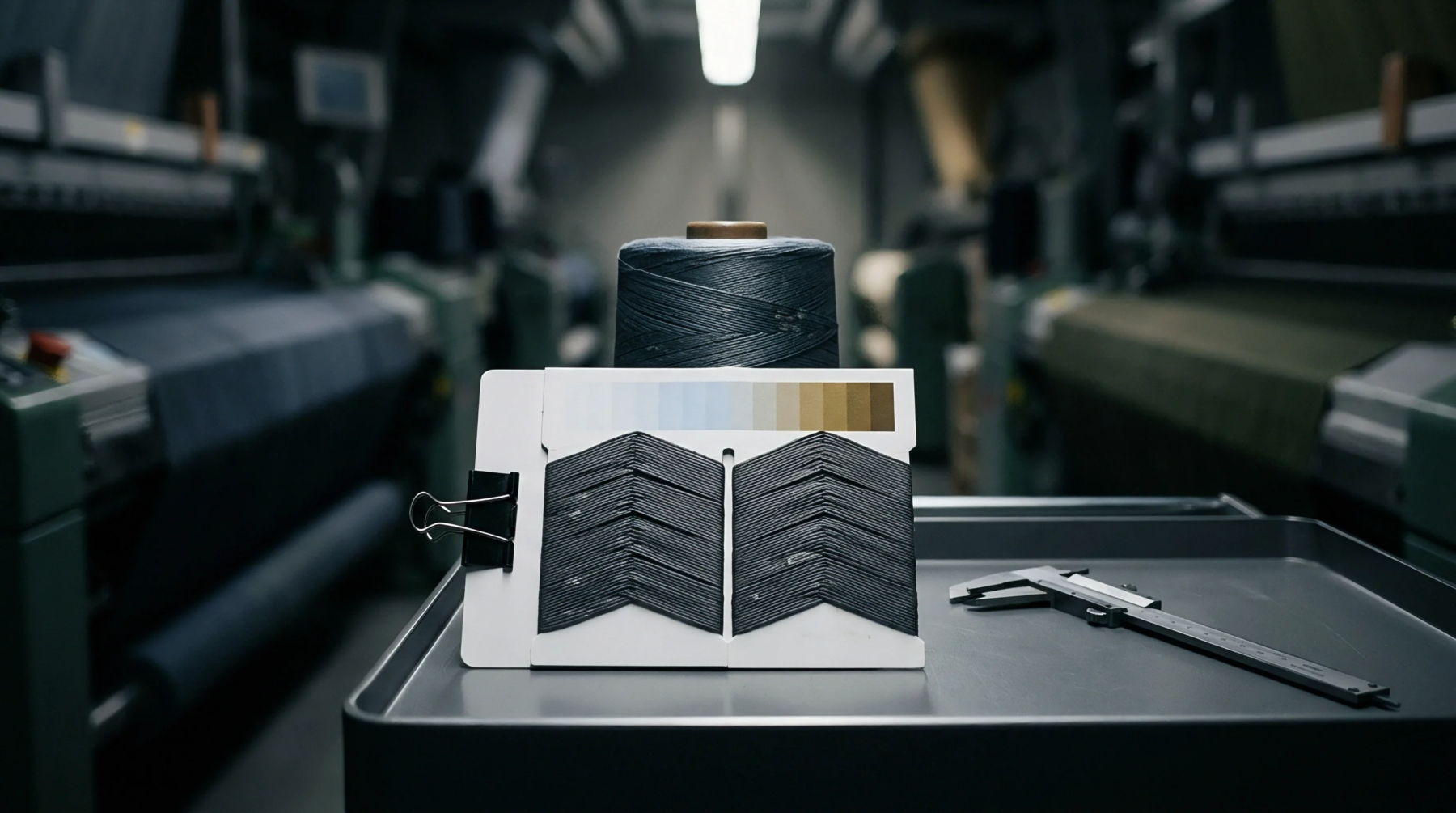
Spinning Economy
Operational expenditure calculations aggregate the labor, electricity and machine maintenance needed to turn sliver into yarn using open end technology. The rotor spinning conversion cost is generally lower than other spinning methods due to the integrated drafting and high production speeds of the equipment. It excludes the price of the raw cotton or polyester to focus strictly on the internal efficiency of the factory.
Scale Factor
Volume dictates the profitability of this process because fixed costs are spread over millions of kilograms of output. When rotor spinning conversion cost is analyzed, the level of machine automation appears as the most effective variable for reducing human labor hours. Mills track the hourly throughput against the energy bills to identify the break even point for each yarn count produced.
Maintenance Budget
Durable components like rotors and opening rollers require periodic replacement to maintain yarn strength. If the rotor spinning conversion cost spikes unexpectedly, it often signals that replacement intervals are too short or that machine wear has accelerated due to poor raw material quality. Budgeting for high precision parts ensures that long term conversion efficiency remains stable.
Market Price
Competitive benchmarks determine which orders are profitable at current utility rates. A consistent rotor spinning conversion cost allows mill owners to offer firm price lists to downstream knitting factories. Optimizing this figure involves balancing high speeds with the increased energy load required to maintain those rates.