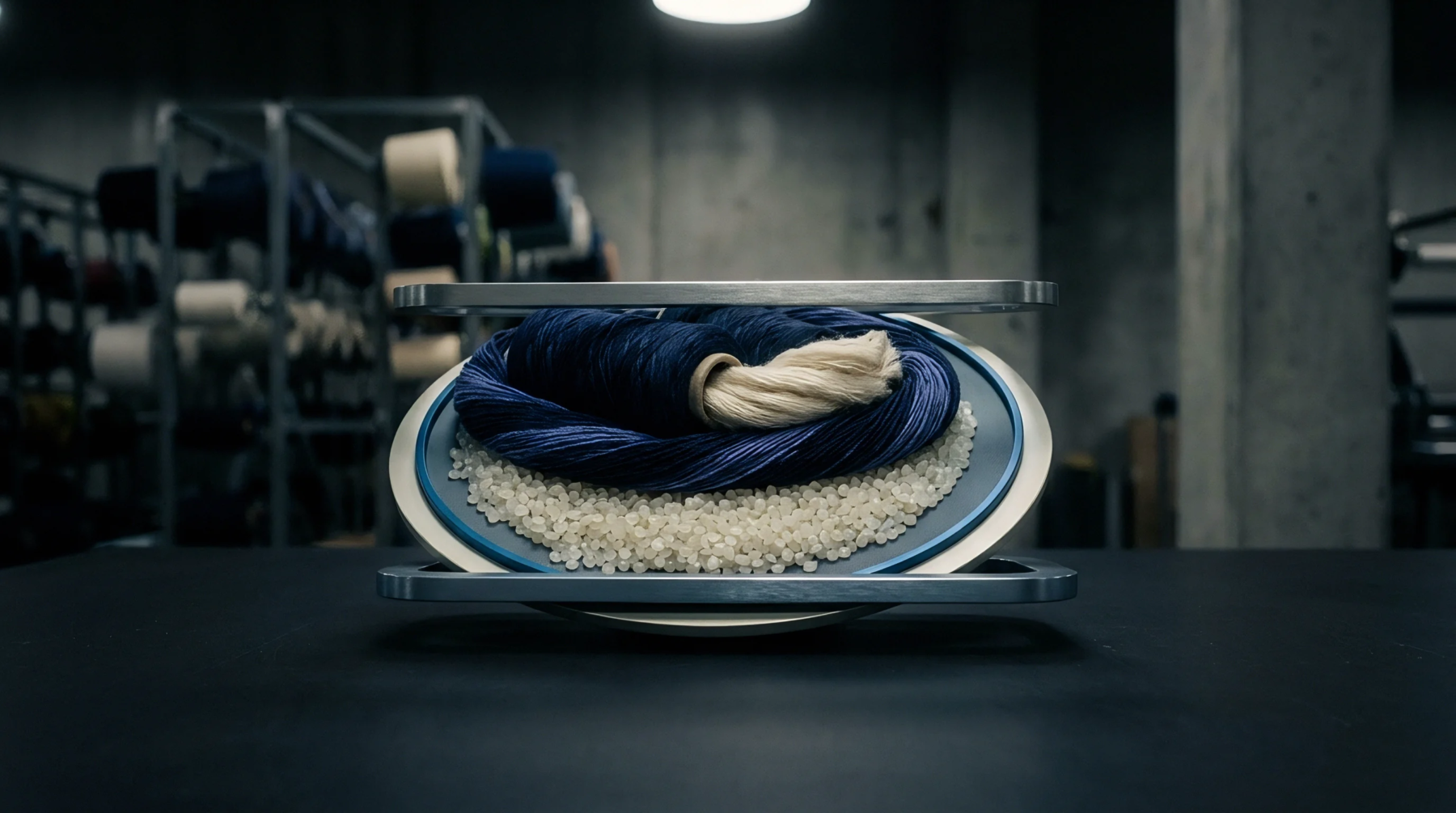
Protective Packaging
Protective packaging defines the mechanical application of stretch film layers around a finished textile roll to ensure structural integrity and surface cleanliness during transit from the manufacturing floor to the warehouse. Rotor spinning roll wrapping employs an automated arm that rotates the cylinder while dispensing polyethylene film at a fixed tension level. Factory technicians monitor the overlap settings to verify that the moisture barrier remains consistent across the entire length of the package.
This equipment operates on a load cycle where the platform spins at a constant velocity to achieve uniform distribution of plastic materials. Mechanical sensors detect the leading edge of the textile mass and trigger the cutting mechanism after the final revolution finishes. Textile mills prefer this method to prevent dust contamination of high quality yarn packages intended for knitting or weaving applications.
Material Specification
Proper material selection determines the effectiveness of the containment strategy applied to rotor spinning roll wrapping units. Heavy duty stretch films require high puncture resistance to withstand the abrasive ends of yarn tubes stored on shipping pallets. Operators adjust the machine pre-stretch ratio to maximize film yield without reaching the threshold of elastic deformation.
High density polymers offer superior clarity for label visibility while maintaining the tension required to keep the yarn mass stationary. Low friction additives facilitate easier unloading of the pallets at the destination site without snagging on adjacent containers or facility racks.
Process Calibration
Tension control represents the primary variable that dictates the stability of the wrapped unit throughout the logistics cycle. Excessive force causes internal yarn layers to compress which ruins the density profile required for downstream feeding stations. Insufficient wrapping pressure leads to film sagging and creates openings for ambient humidity to penetrate the textile fibers.
Factory staff calibrate the motor torque based on the specific diameter of the roll and the required protection level for export shipments. Each setting adjustment creates a distinct footprint in the production log that supervisors verify against the shipping manifest. Consistent application ensures the yarn geometry survives rough handling inside shipping containers or road trailers.
Logistics Impact
Warehouse efficiency rises when the machine maintains a perfectly uniform profile that allows for dense stacking patterns. Precise automation reduces the volume of discarded film that accumulates on the floor during high throughput operations. Workers benefit from a stable load that does not shift or topple when forklift operators maneuver through tight storage corridors.
Automated wrapping sequences consume less time than manual alternatives and eliminate the risk of ergonomic strain for the facility personnel involved. Accurate wrapping saves cost by reducing claims for damaged yarn rolls that arrive at the mill with broken surfaces or moisture degradation. Durable protection improves the reliability of bulk inventory management within international supply chains.