Velocity Differential Control
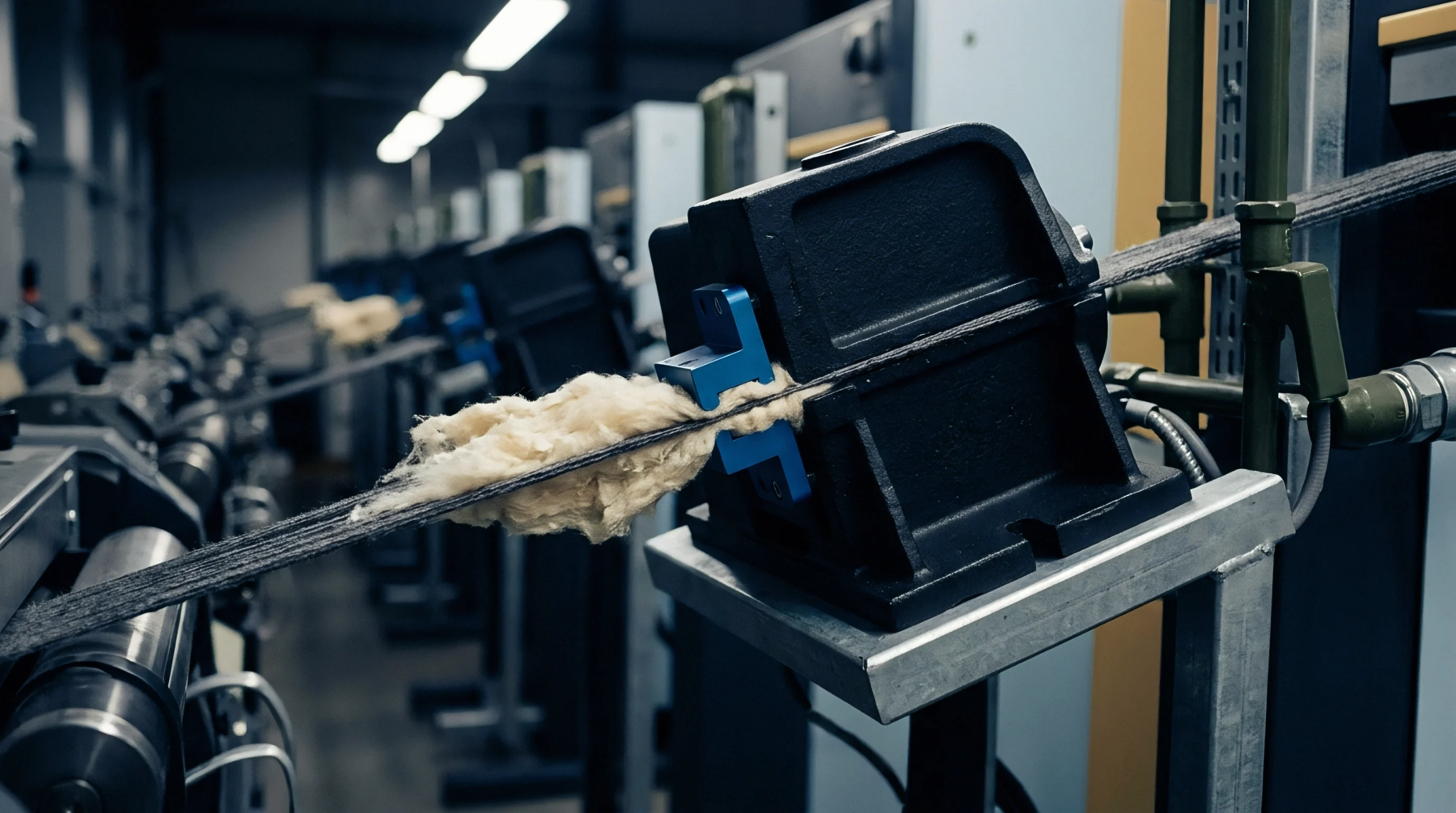
Precise speed adjustments applied to rotating delivery rollers govern draft ratios and material tension during yarn spinning and fabric finishing. Ring spinning frames and draw frames rely on slip ratio optimization to control relative surface velocities between front and back drafting rollers. Matching roller surface speeds to fiber friction characteristics prevents uncontrolled strand slippage, maintaining consistent yarn count and sliver linear density.
Correct speed ratios eliminate periodic thick and thin places across spun yarn packages.
Tension Synchronization
Mismatched surface velocities between driven rollers create uncontrolled fabric sagging or excessive longitudinal stretching in continuous processing ranges. Executing slip ratio optimization synchronizes feed roll rotation with fabric linear movement, eliminating surface scuffing on delicate spun silk or microdenier synthetic fabrics. Proper speed adjustments prevent surface fiber pilling caused by rubber nip roller slip during continuous pad dyeing.
Kinematic Monitoring
Rotary encoders mounted on drafting roller shafts measure angular velocity continuously, detecting microscopic rotational slippage against linear fiber movement. Digital drive controllers adjust motor torque automatically to maintain exact surface velocity ratios during speed acceleration phases.
Operational Boundary
Excessive clamping pressure on rubber nip rollers causes mechanical elastomer deformation, altering effective roller circumference and throwing off speed ratios. Hydroplaning occurs when thick chemical liquor films accumulate on high-speed roller surfaces, destroying mechanical friction.