Computational Logic
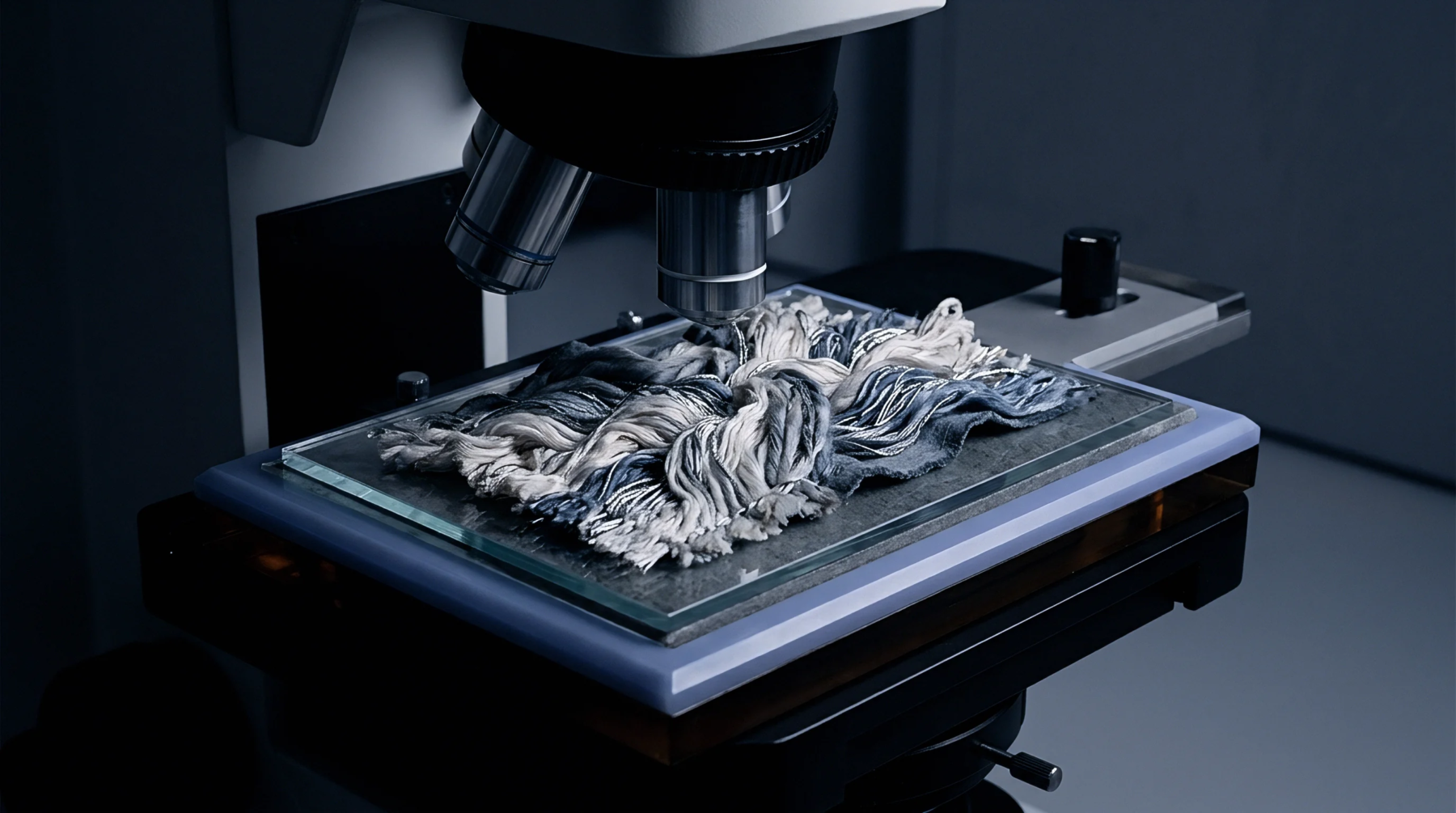
Computational algorithms identify patterns of irregularity by analyzing the differences in signal values across a defined area of an image. Using a spatial variance filter, an inspection system distinguishes between the uniform texture of a woven fabric and the localized disturbance caused by a slub or a foreign thread. This method analyzes the relationship between neighboring pixels to identify defects.
Noise Suppression
Natural variations in fiber thickness can create (noise) that confuses simple detection systems. The spatial variance filter smooths out these expected fluctuations while highlighting the sharp edges of a defect. This leads to a higher detection rate for small, high-contrast contaminants.
Texture Recognition
Sophisticated fabric inspection relies on understanding the repeatable geometry of the weave. A spatial variance filter calculates the local contrast to ensure the system does not trigger on every intersection of the warp and weft. When the variance exceeds a set threshold, the system marks the coordinates of the flaw for later removal or repair, which prevents the shipment of defective material to the garment factory.
Processing Speed
Executing these calculations in real-time requires substantial dedicated hardware resources in the camera head. The efficiency of the spatial variance filter determines the maximum line speed the inspection equipment can support. Faster processors allow for more complex analysis without dropping frames or missing defects in high-speed production.