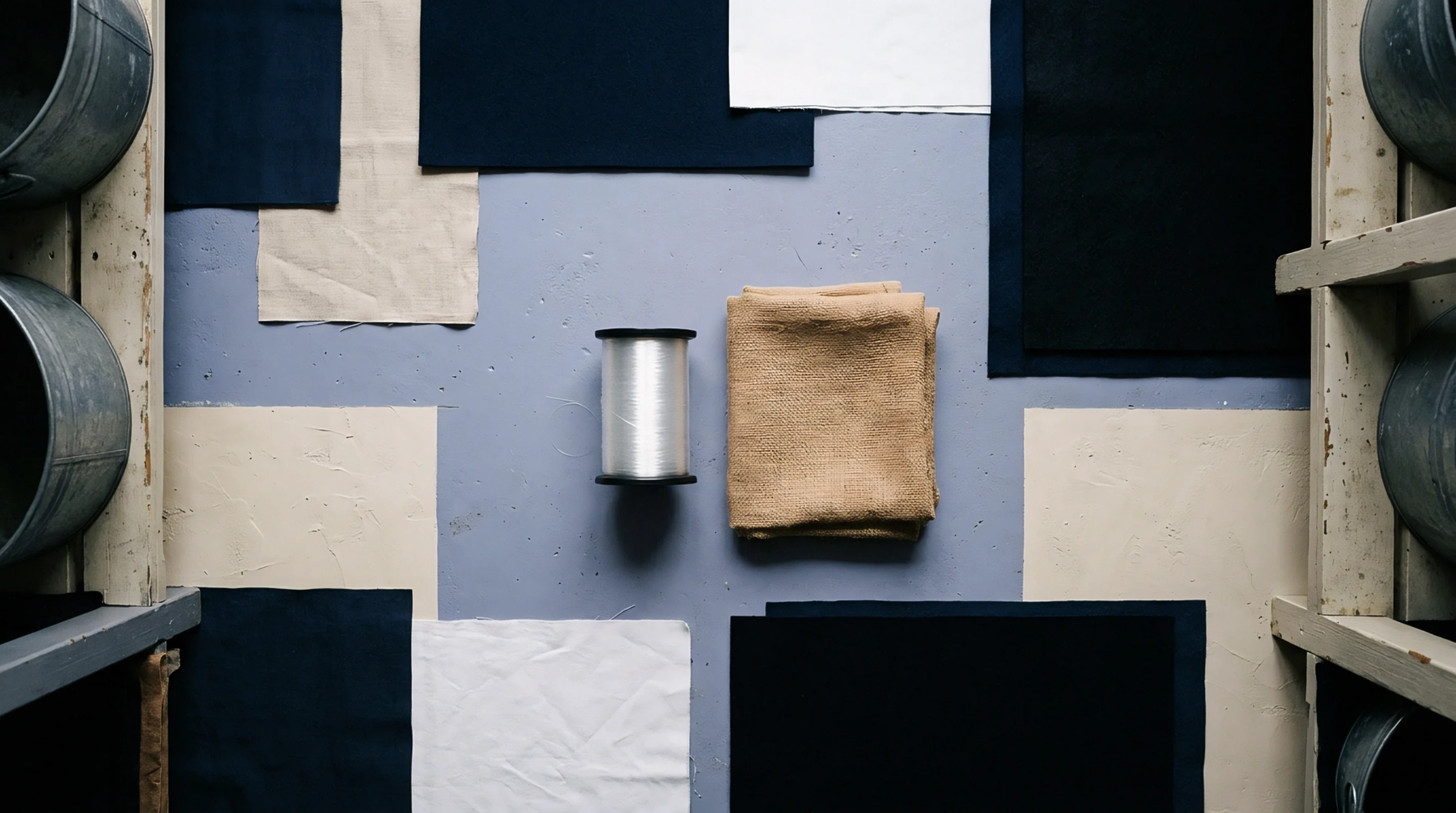
Environmental Equalisation
Process of allowing a material to reach a state of equilibrium with the surrounding atmosphere in terms of temperature and moisture. Successful textile conditioning ensures that all physical tests are performed under identical conditions to allow for valid comparisons between samples. It eliminates the influence of previous storage environments.
Standardised Atmosphere
Laboratories maintain a specific relative humidity and temperature as defined by international standards. During textile conditioning, the sample remains exposed to this air for a minimum period ranging from four to twenty four hours. Natural fibres like cotton and wool require longer durations than synthetic polymers.
Testing Accuracy
Physical properties such as tensile strength and weight change significantly based on moisture content. By performing textile conditioning, a technician removes the variability caused by seasonal weather or factory floor conditions. This standardisation is a prerequisite for any certified laboratory report or quality audit.
Many manufacturers use specialized cabinets with forced air circulation to speed up the process. Constant monitoring of the weight ensures the material has fully reached its equilibrium point.
Production Flow
Rapid changes in humidity during manufacturing can cause yarn shrinkage or static build up. Proper textile conditioning in the weaving shed prevents these defects.