Slot Spacing
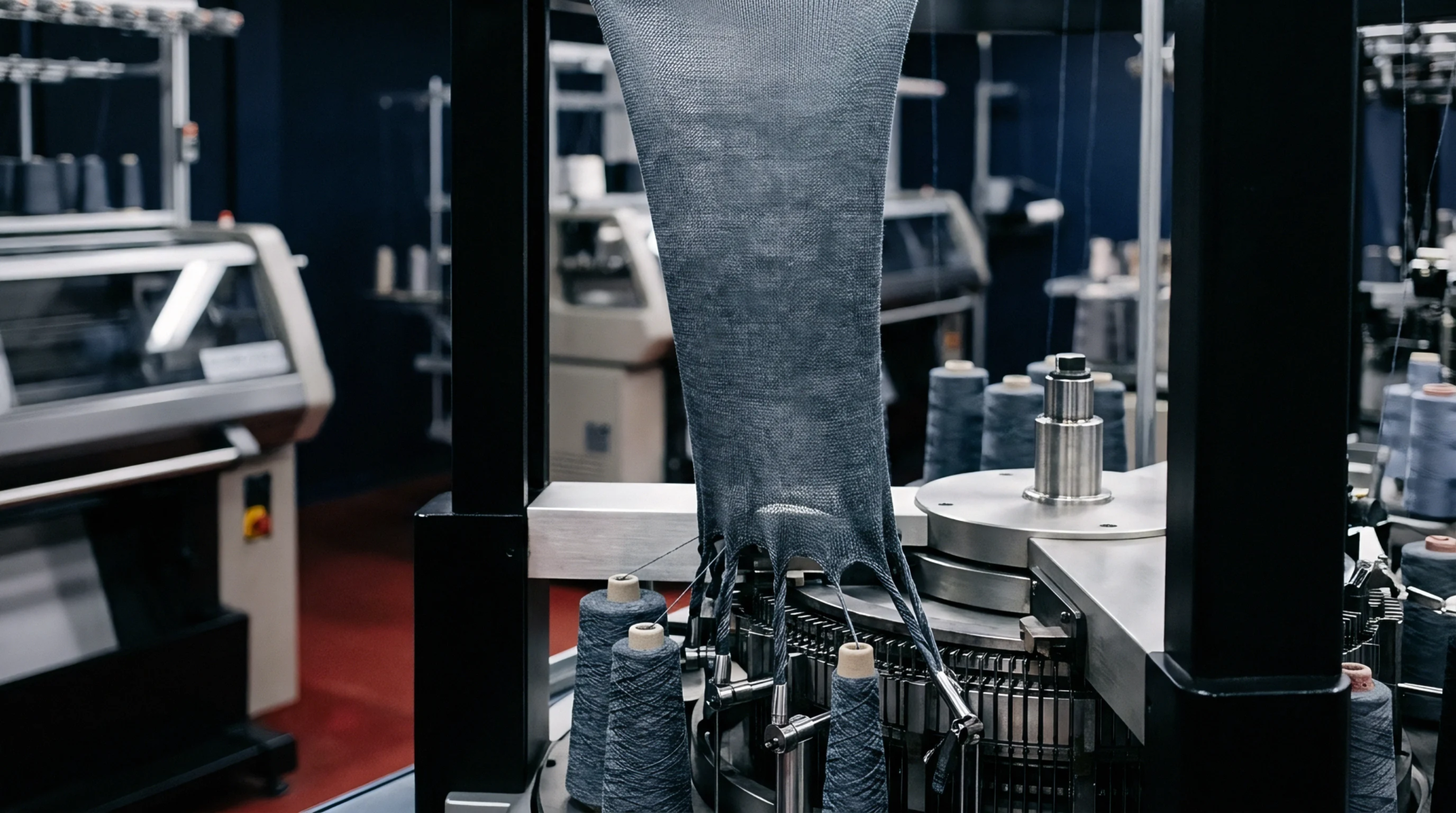
Distance between the center lines of two adjacent slots in the needle bed of a knitting machine defines the mechanical density of the knitting elements. This trick pitch is the underlying dimension that determines the gauge of the machine. It is a critical specification for the manufacturer of the needle bed and the cams that drive the needles.
Manufacturing Precision
Cutting the slots into the metal bed requires high-accuracy milling to ensure that every needle moves in a perfectly parallel path. The uniformity of the trick pitch across the entire width of the machine prevents variations in fabric density. Any error in this spacing results in vertical streaks known as needle lines in the finished fabric.
Hardened steel is typically used for the bed to resist the wear caused by the constant reciprocating motion of the needles. Regular inspection ensures that the walls between the slots have not become bent or burred over time.
Yarn Suitability
Space available within the slot and the gap between slots limits the maximum diameter of the yarn that can be safely processed. A smaller trick pitch requires thinner needles and finer yarns to avoid mechanical interference. Technicians refer to these measurements when setting up a machine for a new fabric quality to ensure the yarn will not snag.
Density Control
Resulting number of wales per inch in the fabric is a direct consequence of this mechanical spacing. Because the trick pitch is fixed, the only way to change the fabric width or density on a given machine is through yarn tension and stitch length adjustments. Choice of machine bed is required for meeting specific garment weight targets.