Production Alignment
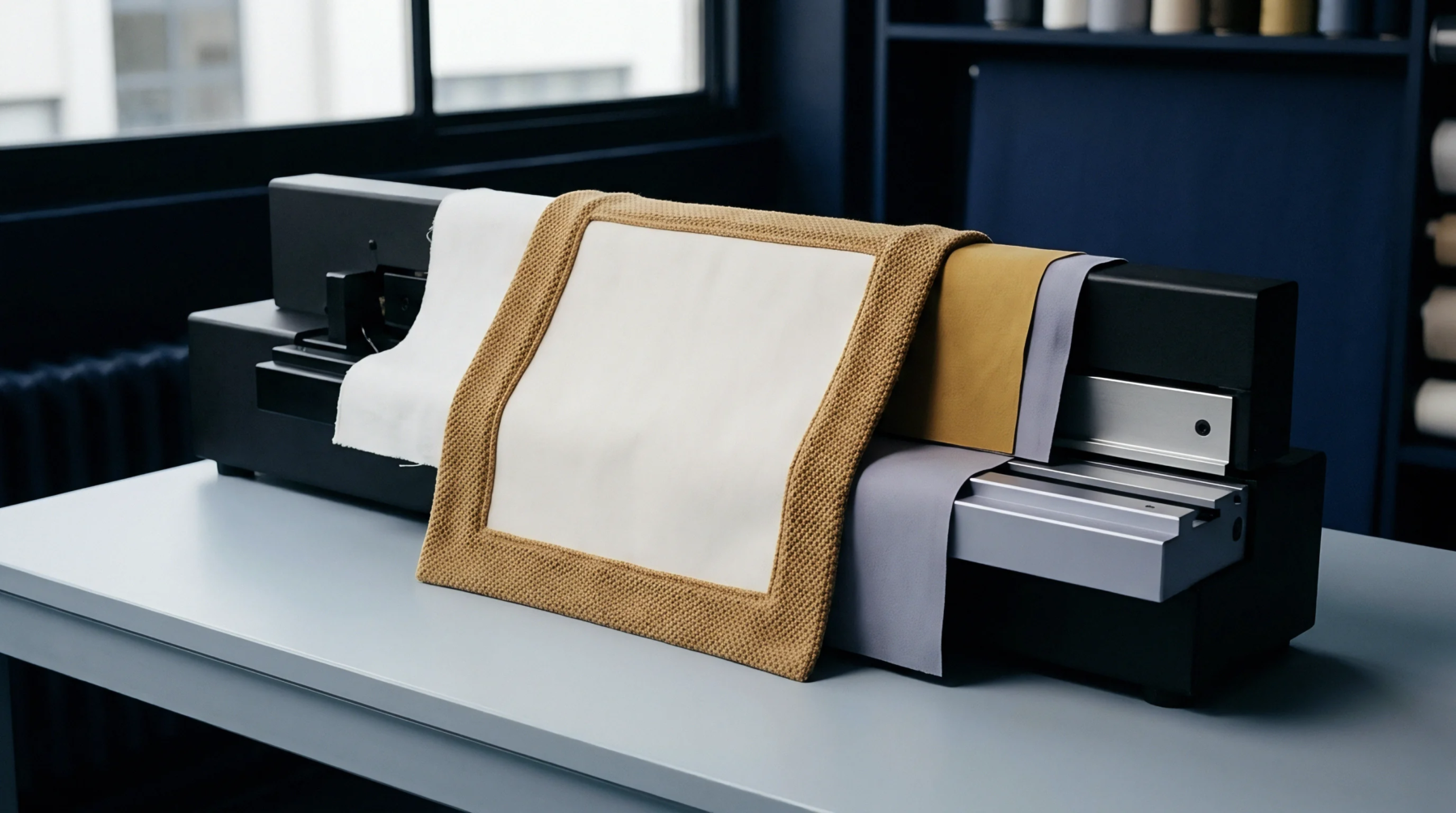
The alignment of the color of zippers, buttons, sewing threads and linings with the primary fabric of a garment represents a critical quality checkpoint in apparel manufacturing. This color coordination process is known as trim shade matching, which requires both visual and instrumental comparison of different materials under standardized lighting conditions.
Evaluation Method
Because trim components and main fabrics are made from different fiber types and manufactured by different suppliers, achieving a uniform color requires careful coordination. Technicians carry out trim shade matching during the pre-production stage by evaluating dye submissions from trim suppliers against the approved color standard of the primary fabric. This comparison is particularly challenging because the different light-reflecting properties of hard plastic buttons, metal sliders and woven nylon zipper tapes must be accounted for under multiple light sources.
Assembly Impact
A garment with poorly coordinated accessories appears cheap and displays visible defects on the retail floor. By establishing strict trim shade matching protocols, brands avoid mismatched thread or zipper colors that can ruin the visual appeal of a finished jacket.
Quality Standard
Factory inspectors perform the final checks on assembled garments under daylight and store lighting simulators. Consistent trim shade matching ensures a high-quality finished product that meets brand expectations.