Color Deviation
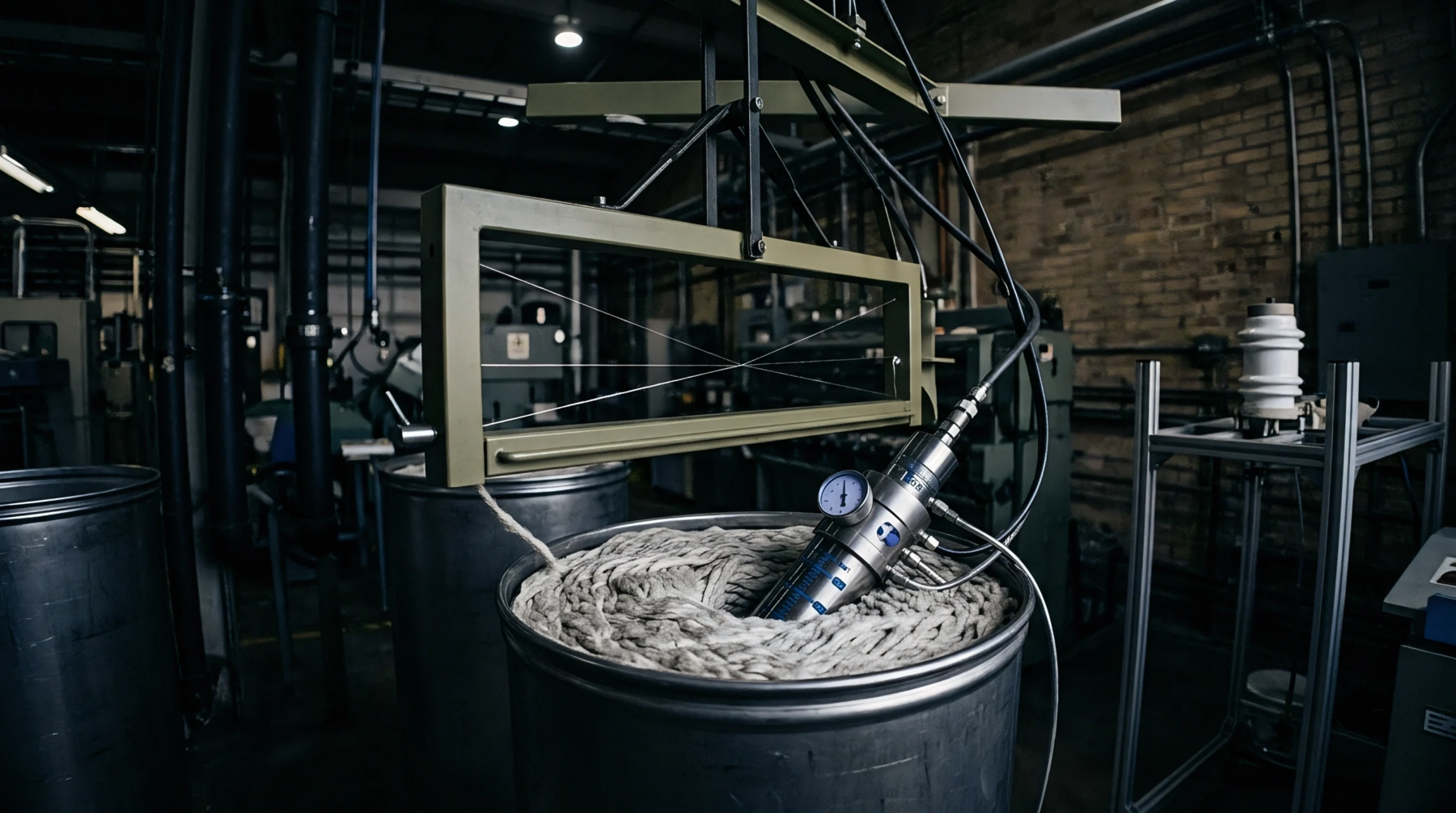
Chromatic inconsistency represents the difference in color between fabric ropes processed simultaneously in different tubes of the same multi-strand jet dyeing machine. Minimizing tube to tube shade variance is a priority for quality managers to avoid having to sort garments before shipment. Such variance indicates uneven dye delivery, temperature differences, or inconsistent nozzle pressure between the tubes.
Inspection Stage
At the end of the dyeing cycle, operators take swatches from the tail end of each fabric rope for colorimetric analysis. Spectrophotometers measure the delta E value of each sample against the approved master shade. If the difference exceeds commercial limits, the fabric must be stripped or redyed.
Variance Limit
Commercial tolerances for color variation between tubes are typically set at a delta E value of less than zero point five. Higher differences are visible to the naked eye and can result in rejected garments if panels of different shades are stitched together. Keeping this variation minimal ensures high cut-to-ship ratios and protects the mill from costly chargebacks.
Regular inspection helps pinpoint which tube is failing.
Commercial Loss
Eliminating shade differences avoids the labor-cost of fabric sorting and panel matching in the garment factory. It ensures that the entire batch can be cut and sewn without interruption. Consequently, the garment producer maintains high productivity.