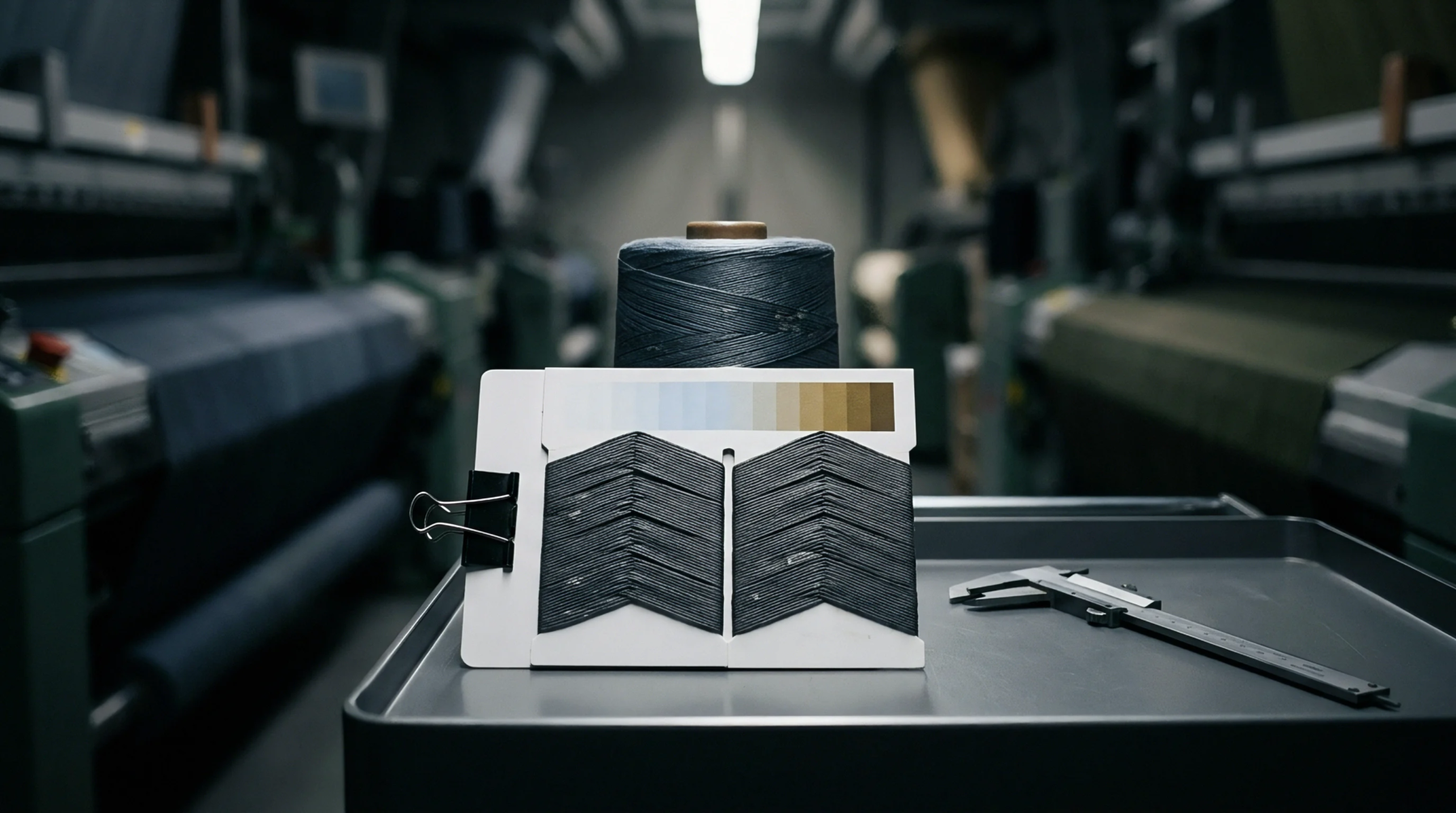
Continuous Dyeing
Continuous dyeing methods apply insoluble vat dyes to cotton fabrics using sequential padding, steaming, and oxidation stages. The process of vat pad-steam ensures high colorfastness to washing and light on heavy cotton fabrics such as workwear and uniform twills. This method begins by impregnating the dry fabric with a dispersion of the insoluble pigment, followed by drying and then padding with a reducing agent before entering the steamer.
The steaming step forces the dye to penetrate and bind to the cellulose fibres.
Chemical Reduction
Steamer conditions must be kept air-free to prevent the premature oxidation of the reduced dye bath. During the vat pad-steam run, sodium hydrosulfite and sodium hydroxide convert the insoluble vat dye into its soluble leuco form inside the steamer. This chemical transformation is highly sensitive to the presence of oxygen, which would otherwise oxidize the dye back to its insoluble state before it can penetrate the yarn.
Constant monitoring of steam quality is required to prevent shading defects across the width of the fabric.
Quality Inspection
Color conformity and washfastness tests are performed on the finished fabric to verify dye fixation before shipment. Running a vat pad-steam line requires constant inspection at the commercial checkpoint to ensure that the shade remains consistent from the beginning to the end of the production run. If the temperature in the steamer drops or the padder pressure varies, the color depth will change.
Technicians use digital spectrophotometers to measure color consistency against the approved master standard.
Machinery Maintenance
Cleaning and roller alignment prevent dye spots and tension marks during high-speed continuous operations. Regular maintenance of the steamer seals and padding rollers avoids uneven chemical pick-up and ensures uniform dye application. This routine care minimizes fabric downtime and waste.