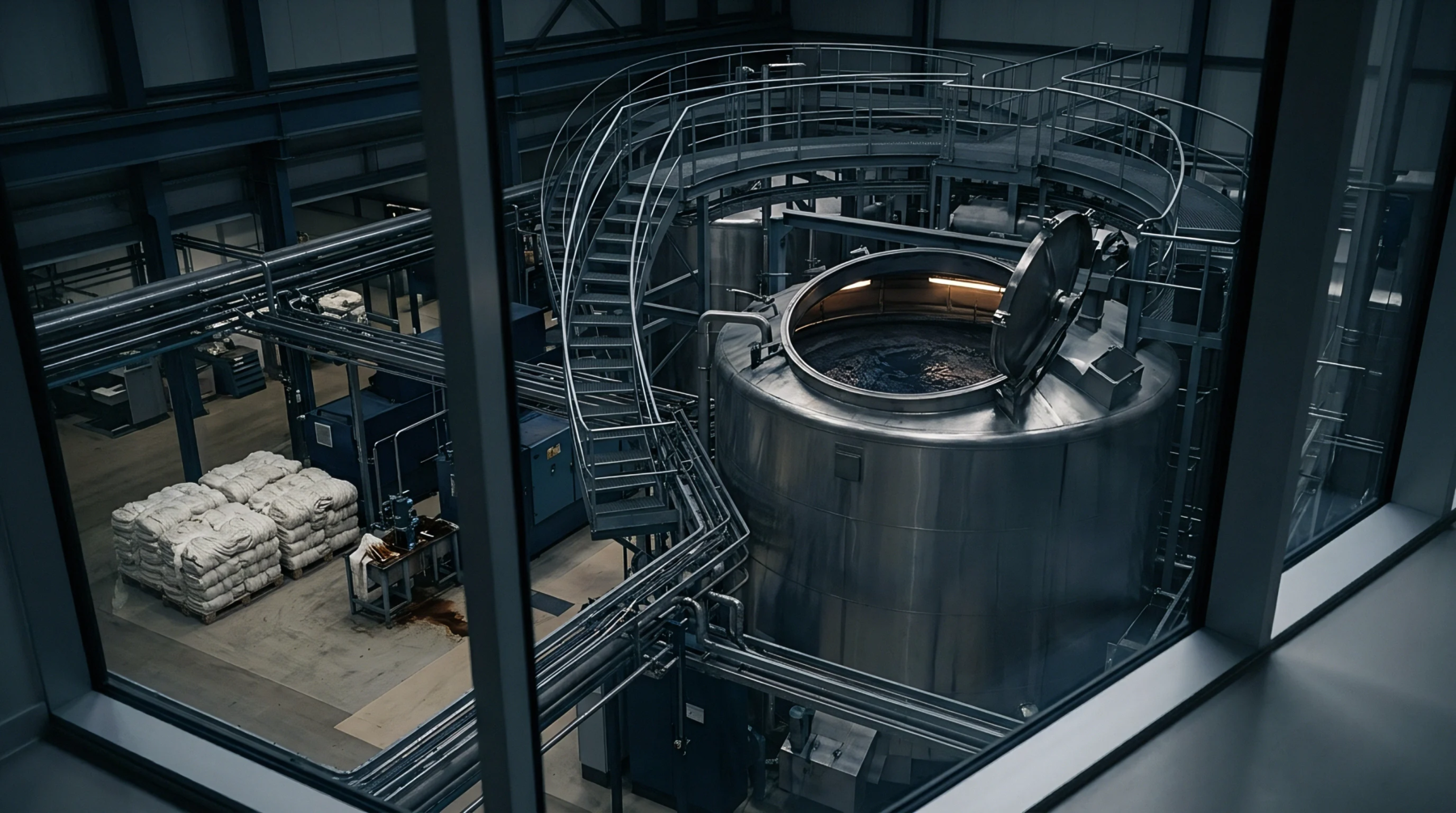
Calculating Reactive Dye Hydrolysis Rates in Jet Dyeing
Calculating reactive dye hydrolysis rates in jet dyeing requires tracking bath pH and absorbance over time to optimize alkali dosing and maximize color yield.
Post dyeing liquid usage quantifies the total volume of water required to remove unreacted dyes, chemicals and salts from a textile substrate to meet final fastness specifications. This figure is a critical part of the environmental audit for any modern dye house and is often reported as litres of water per kilogram of fabric. The wash off water consumption is particularly high for reactive dyes, where a significant portion of the dye remains unbonded or hydrolyzed at the end of the fixation stage.
If this excess dye is not completely removed, it will cause the fabric to bleed during consumer washing, leading to quality failures. Managing this water usage is a major challenge for mills operating in regions with limited water resources or strict discharge regulations.
Liquid cycles following the dyeing process involve several steps of rinsing, soaping and neutralizing to achieve a clean and stable finish. The wash off water consumption is determined by the number of baths required to pull the unreacted chemicals out of the yarn and into the wastewater. Warm and hot rinses are more effective at removing hydrolyzed dye, but they also use more energy.
Many mills now use specialized wash-off auxiliaries or polymers that help to keep the unreacted dye in the solution and prevent it from re-staining the fabric. This allows for fewer rinse cycles and a lower total volume of water. The efficiency of the washing-off process is a primary factor in the total cycle time of the machine.
Industrial sustainability goals often conflict with the need for perfect fastness, as reducing water use can lead to poor quality if not managed carefully. High wash off water consumption is often the result of using dyes with low fixation rates or processing heavy, tightly woven fabrics that are difficult to rinse. To overcome this barrier, some factories are investing in continuous washing ranges that use counter-current flow to reuse water from the final rinses in the earlier stages.
Others are switching to new generations of reactive dyes that have much higher fixation levels, reducing the amount of waste that needs to be removed. These technical improvements are necessary for the long-term survival of the textile industry in a water-stressed world. Precise monitoring of the water meter is the first step toward improvement.
Regulatory standards and brand scorecards are driving a global trend toward zero liquid discharge and ultra-low water usage. By tracking their wash off water consumption, mills can set measurable targets for reduction and track their progress over time. This data is also used to calculate the cost of production, as water and wastewater treatment are significant expenses.
A mill that can achieve high fastness with less water has a clear competitive advantage in the market. Beyond the financial benefits, reducing water use also helps to protect local ecosystems and ensures that the factory can continue to operate during periods of drought. Successful water management is a hallmark of a responsible and efficient textile manufacturer.
Wash off water consumption remains the primary indicator of the environmental impact of a dyeing facility.
Calculating reactive dye hydrolysis rates in jet dyeing requires tracking bath pH and absorbance over time to optimize alkali dosing and maximize color yield.
Expertise is a utility, not a secret. sentiention™ publishes its working knowledge as open reference: intelligence layer covering the materials it sources, the markets it enters, and the reference that serves both.