Geometric Variance
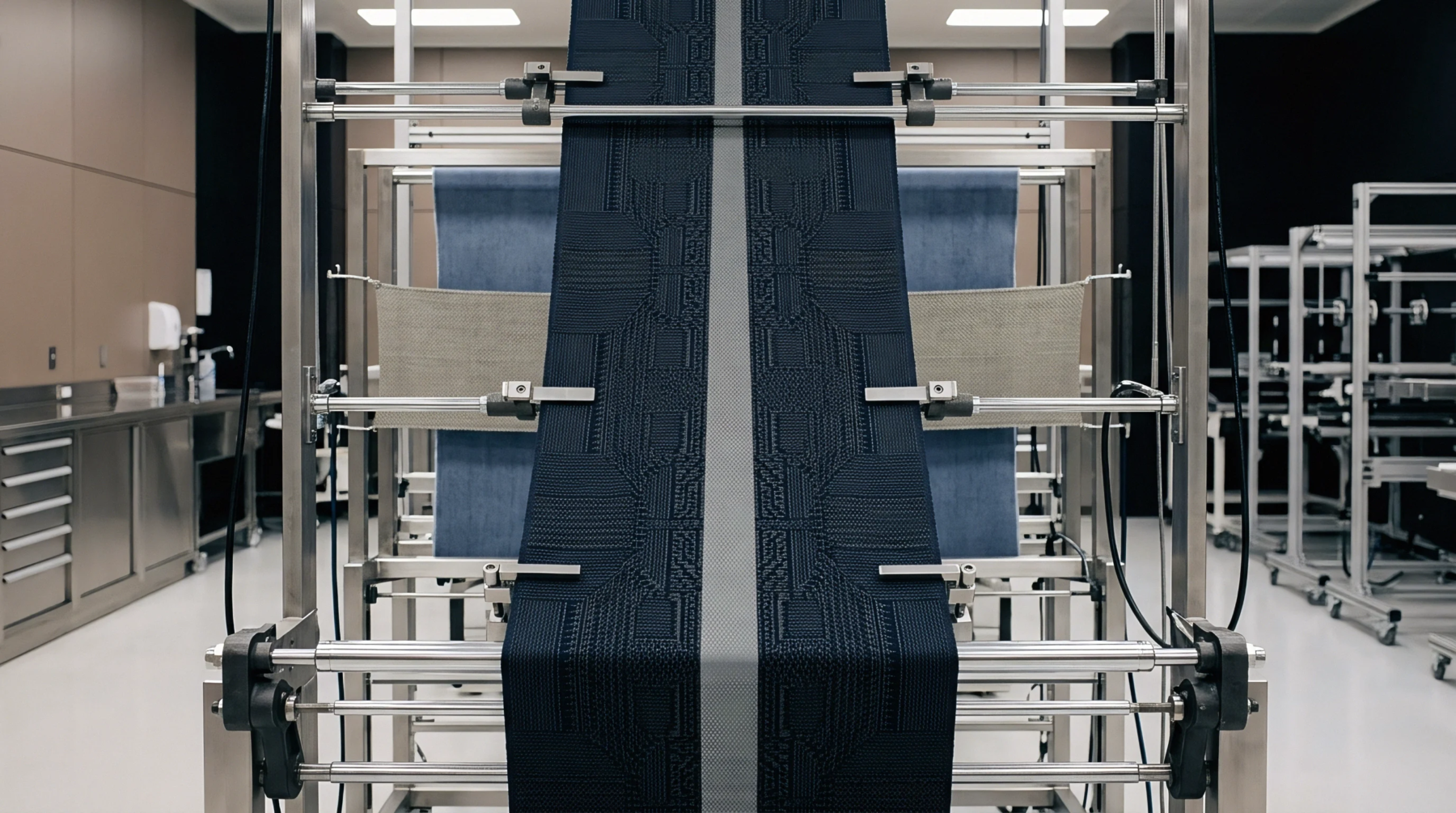
Dimensional deviation represents the difference between calculated grid intersections and the actual physical positioning of yarns within a textile matrix. Weave structural asymmetry exists when the warp or weft pathways shift from their intended perpendicular coordinates during the tensioning cycle. This shift creates localized variations in porosity and drape.
Distortion Analysis
Production machinery monitors these shifts by comparing the captured image of a passing fabric against a standard digital reference map. Differences in the angle of intersection between the horizontal and vertical members trigger alerts on the loom monitor. Inspectors prioritize these readings when specific mechanical settings on the air jet or rapier equipment exceed calibrated tolerances.
Load Impact
Uneven force distribution across the fabric surface results in a permanent bias that degrades the performance of subsequent coatings or lamination processes. High stress zones near the selvage often pull the central yarns out of alignment, causing the material to skew during the finishing stage. Garment factories find that panels cut from such material fail to hang correctly in finished goods.
Measurement Protocol
Technicians verify the integrity of the interlacing by placing samples on a high resolution optical table to track yarn path deviations. Software overlays the actual image with the ideal geometric grid to quantify the shift in degrees. Acceptance depends on whether the calculated degree of deviation falls within the acceptable range for the intended application of the fabric.