Linear Density
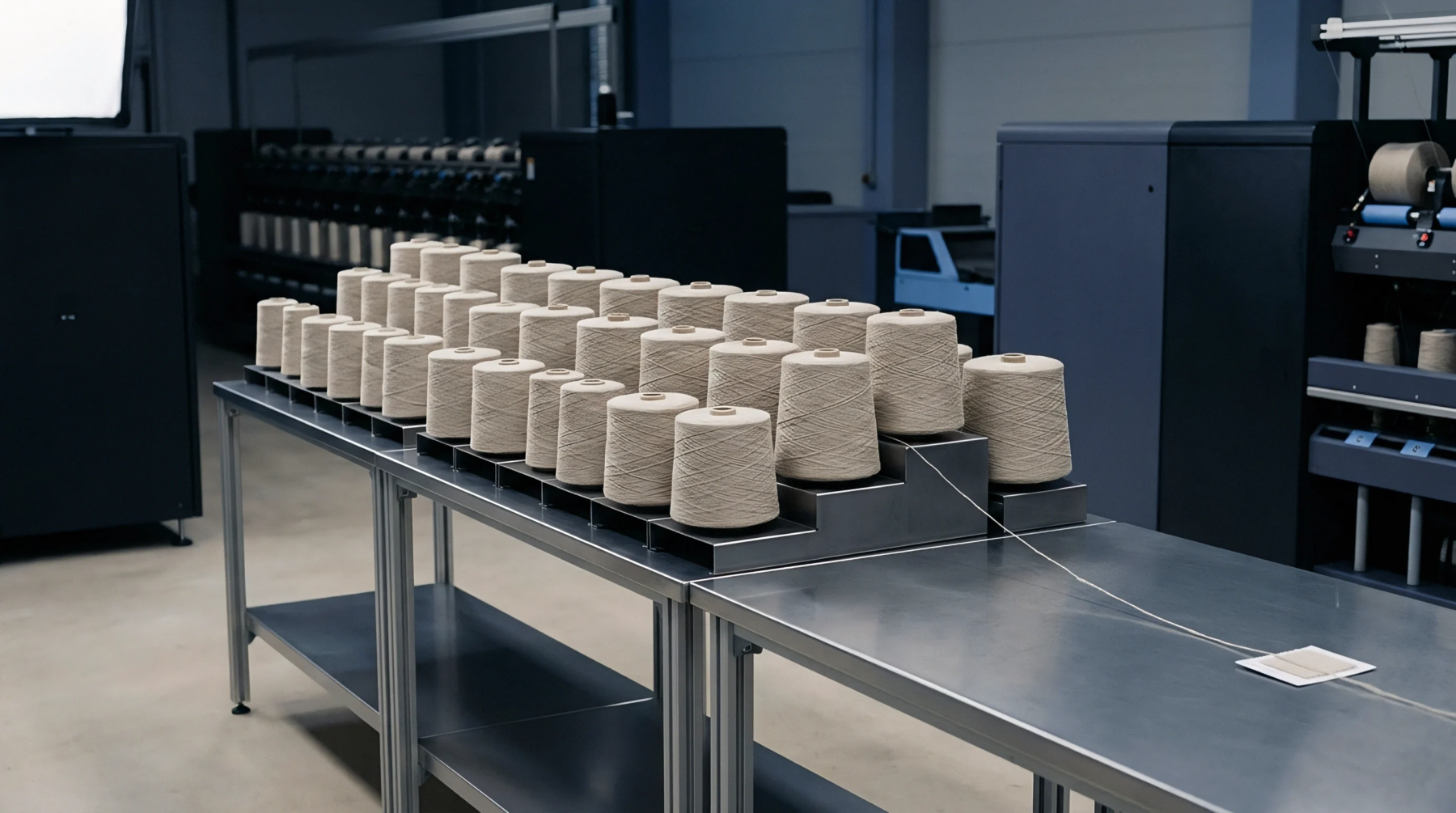
English cotton count designations based on the number of eight-hundred-and-forty-yard hanks per pound identify the fineness of single-strand staple yarns. The specification yarn count Ne 80/1 denotes a very fine single cotton yarn where eighty hanks weigh exactly one commercial pound, equivalent to a direct metric count of approximately seven point four tex. It governs single-strand spun cotton used in lightweight, high-sett textile structures, ceasing to apply to plied assemblies or continuous filament synthetic yarns.
The scope remains restricted to single yarns produced by precision staple drafting systems.
Combing Requirement
Manufacturing such a fine single strand demands superior raw cotton with exceptional fibre length and elevated individual fibre strength. Spinning facilities producing yarn count Ne 80/1 process extra-long staple varieties through specialized combers that remove up to twenty percent of shorter fibres, ensuring that only uniform, aligned staples enter the drafting zone. Ring spinning frames spin the roving with carefully calculated twist multipliers, typically between three point two and three point six, to supply adequate tensile cohesion without causing excessive yarn torque or snarling.
Because the yarn cross-section contains as few as forty to fifty individual fibres, any minor fluctuation in sliver density or drafting speed triggers thin spots and immediate ends-down. Modern quality labs verify quality on high-speed capacitive testers, checking that the yarn satisfies strict limits on thin places, thick places, slubs, and neps per kilometer.
Sizing Necessity
Single-strand fine yarns exhibit limited mechanical resistance to the abrasive friction of high-speed loom sheds. Warp beams containing yarn count Ne 80/1 require high-solid sizing formulations with synthetic binders to coat surface hairs and enhance tensile strength prior to machine processing. Without specialized sizing, high-speed reed action shreds the delicate single ends.
Fabric Construction
High-end commercial mills utilize this fine yarn to manufacture sheer lawn and fine handkerchief fabrics. Interlacing yarn count Ne 80/1 into high-density plain structures creates an ultra-light fabric that provides exceptional drape and skin comfort. Fabric buyers verify yarn count during goods receipt by extracting dried yarn lengths, weighing them on analytical microbalances, and applying standard commercial regain factors.
Test results that diverge more than two point five percent from nominal Ne 80 lead to rejection or commercial price discounts.