Aerodynamic Resistance
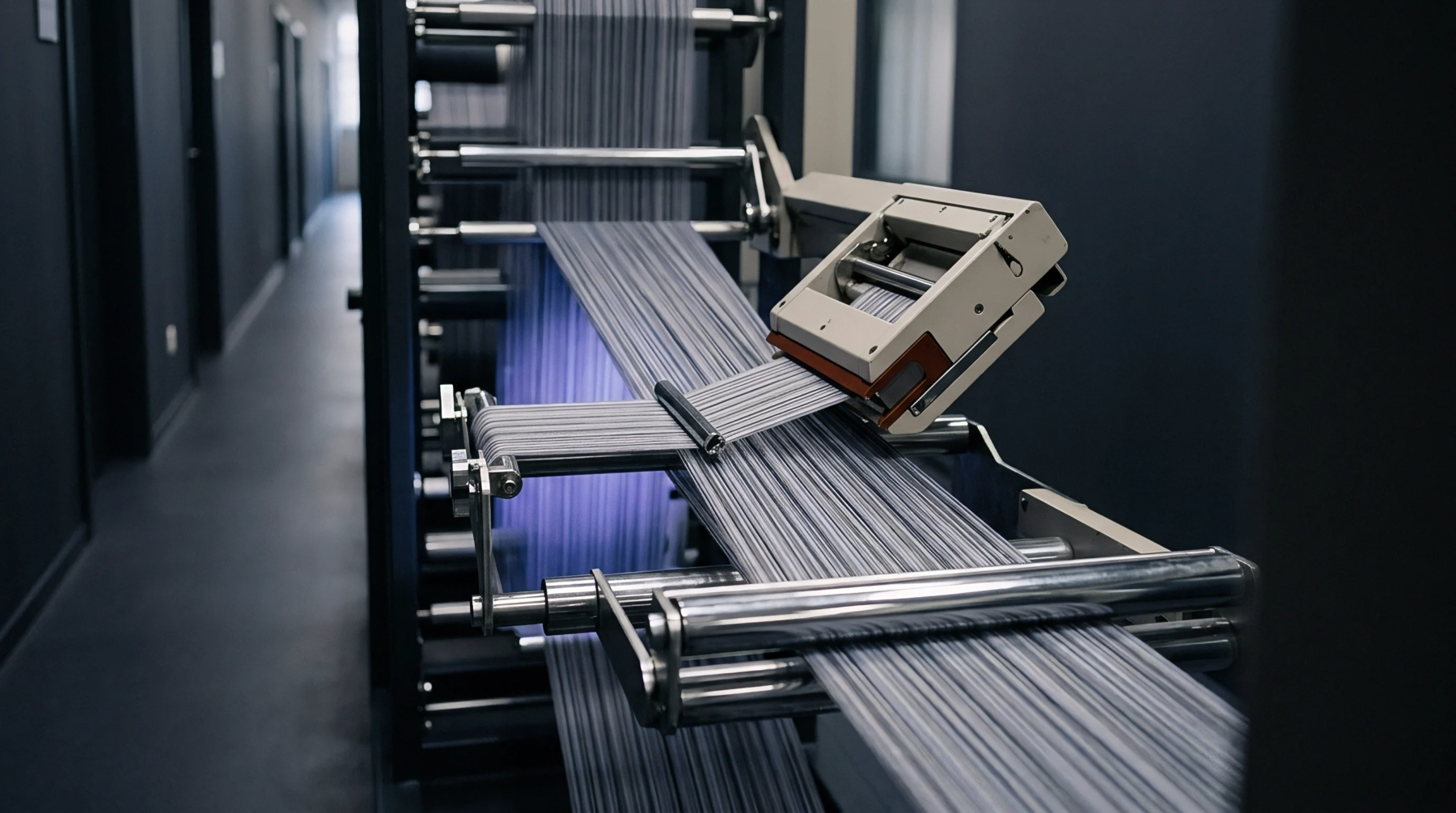
Aerodynamic resistance generated by protruding fiber ends on a moving yarn surface increases the tension and friction experienced during high-speed textile processing. In air-jet weaving, yarn hairiness drag determines how effectively the air stream can propel the weft yarn across the fabric shed. This drag is a direct function of the length and density of the loose fiber ends.
Frictional Performance
Excessive loose fibers catch the air current, which can cause the yarn to untwist or wobble during insertion. This unstable motion increases the risk of the yarn catching on warp threads and causing a machine stoppage. Spinners control this property by adjusting the twist multiplier and using compact spinning systems that tuck the fiber ends into the yarn core.
Process Impact
Friction also increases when the hairy yarn passes through guides, tensioners and heald eyes. This contact rubs off short fibers, creating fiber dust that can clog the machinery and contaminate the weaving room. The build up of this dust is managed by suction devices placed at critical points along the yarn path.
Measurement Method
Testing this property involves passing the yarn through a specialized optical sensor that counts the number of protruding fibers per meter. This evaluation allows mills to predict how the yarn will perform on high speed looms.