Wound Compactness
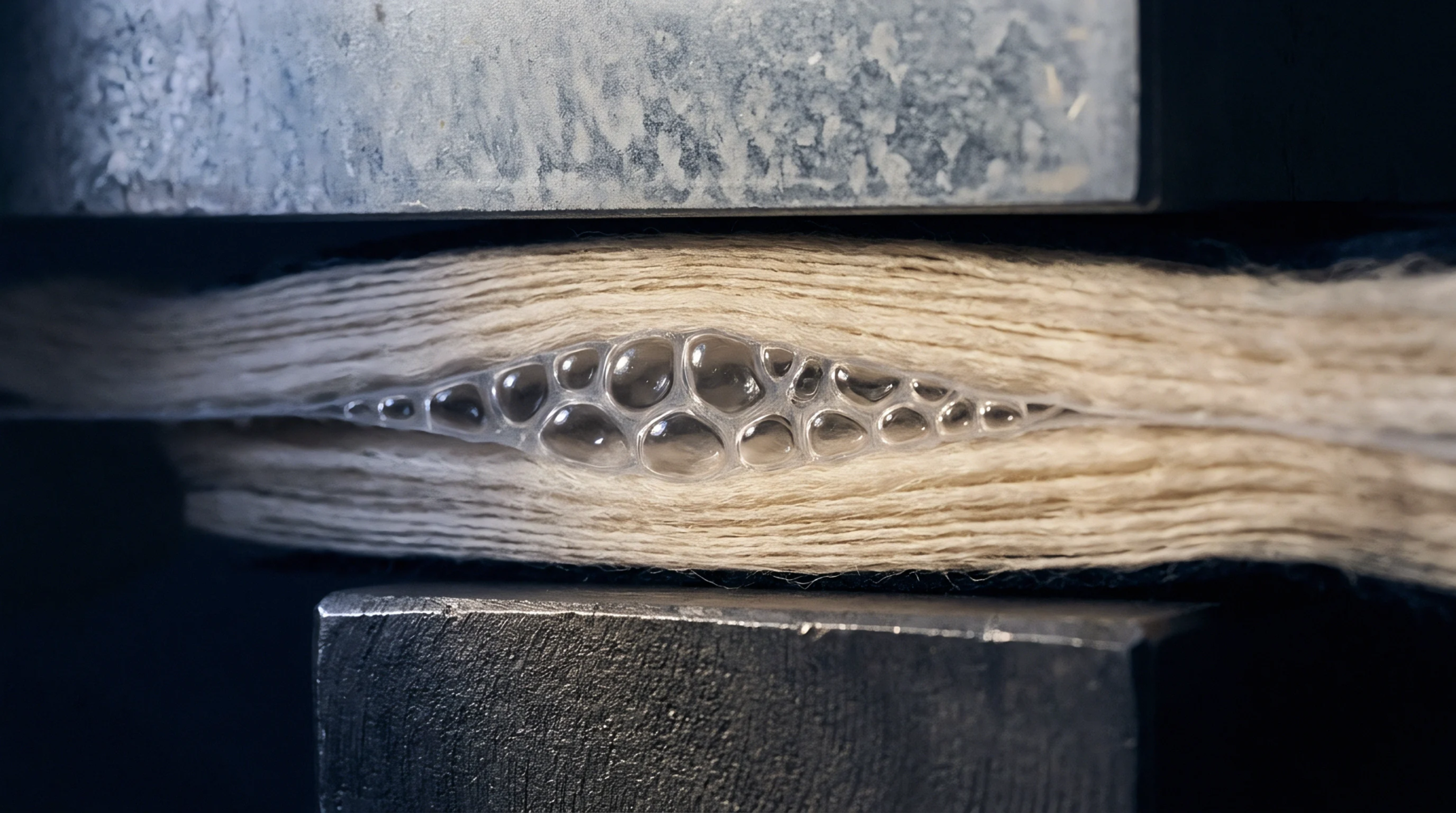
Volumetric measurements determine the ratio of fiber mass to the total volume occupied by a cone or cheese of yarn to ensure uniform penetration of dye liquors. Correct management of yarn package density is essential for achieving a consistent color and quality throughout the entire batch of dyed yarn. If the package is wound too tightly, the dye water will not be able to flow through the center, leading to uneven shades.
Flow Resistance
The physical structure of the package acts as a filter that the dye solution must pass through during the pressurized dyeing process. When yarn package density is high, the resistance to the flow of the liquor increases, which can lead to a significant difference in color between the inner and outer layers of the yarn. Conversely, a package that is wound too loosely may collapse under the pressure of the dyeing machine, causing the yarn to tangle and break.
To prevent these issues, winding machines are equipped with tension controls and pressure rollers that keep the density within a specific range. This range depends on the type of fiber, the yarn count and the characteristics of the dyeing equipment. For example, textured polyester yarns usually require a lower density than mercerized cotton yarns.
Technicians use a durometer to measure the hardness of the package surface, which serves as an indicator of its internal density. Consistent density across all the packages in a dye vat is necessary for a uniform result.
Winding Control
Modern spinning and winding mills use automated systems to monitor the weight and dimensions of every package as it is being produced. This real-time data allows the operator to adjust the winding speed and tension to maintain a constant yarn package density from the beginning of the cone to the end. The precision of these adjustments is vital for high-speed production where even a small error can lead to a large amount of wasted material.
A well-wound package also improves the efficiency of the next stages of production, such as weaving or knitting, by providing a smooth and consistent off-wind. This reduces the number of machine stops and ensures that the fabric has a uniform texture. Proper storage of the wound packages in a climate-controlled environment prevents them from expanding or contracting due to moisture changes.
Quality control teams perform regular checks to verify that the density remains within the specified tolerances.
Dyeing Result
The final appearance of the yarn depends on the precise balance of tension and volume during the winding process. When the yarn package density is optimized, the dye liquor can move freely and evenly through every layer of the fiber. This results in a vibrant and consistent color that meets the high standards of the garment industry.
The success of the dyeing operation is a direct result of the careful preparation of the yarn packages. Efficient flow of the liquor also reduces the time and energy required for the dyeing cycle, making the process more sustainable. Consistent winding practices are a fundamental requirement for the production of high-quality dyed yarns.
Reliable data on package density helps in maintaining the integrity of the textile supply chain.