Conversion Stage
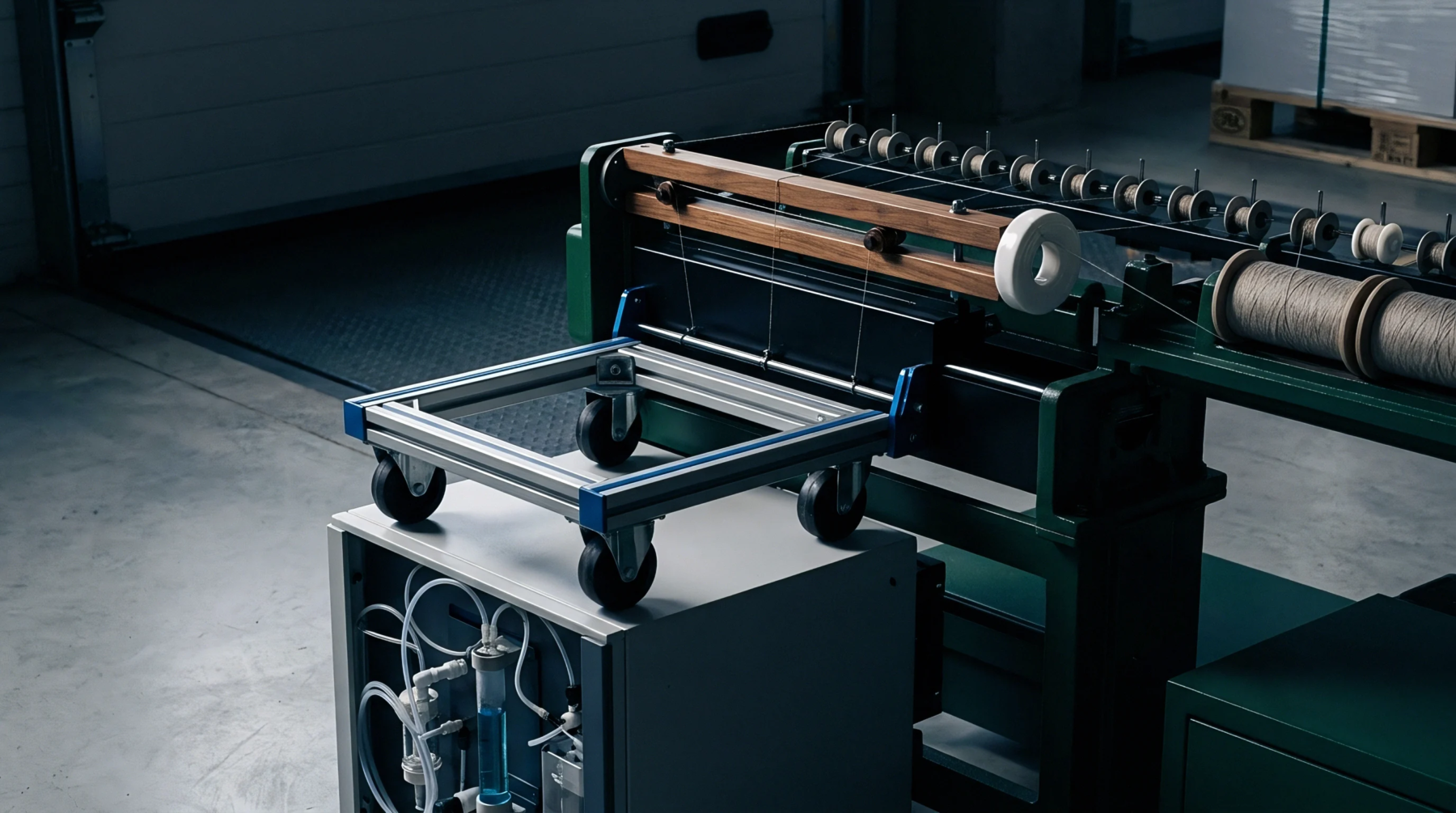
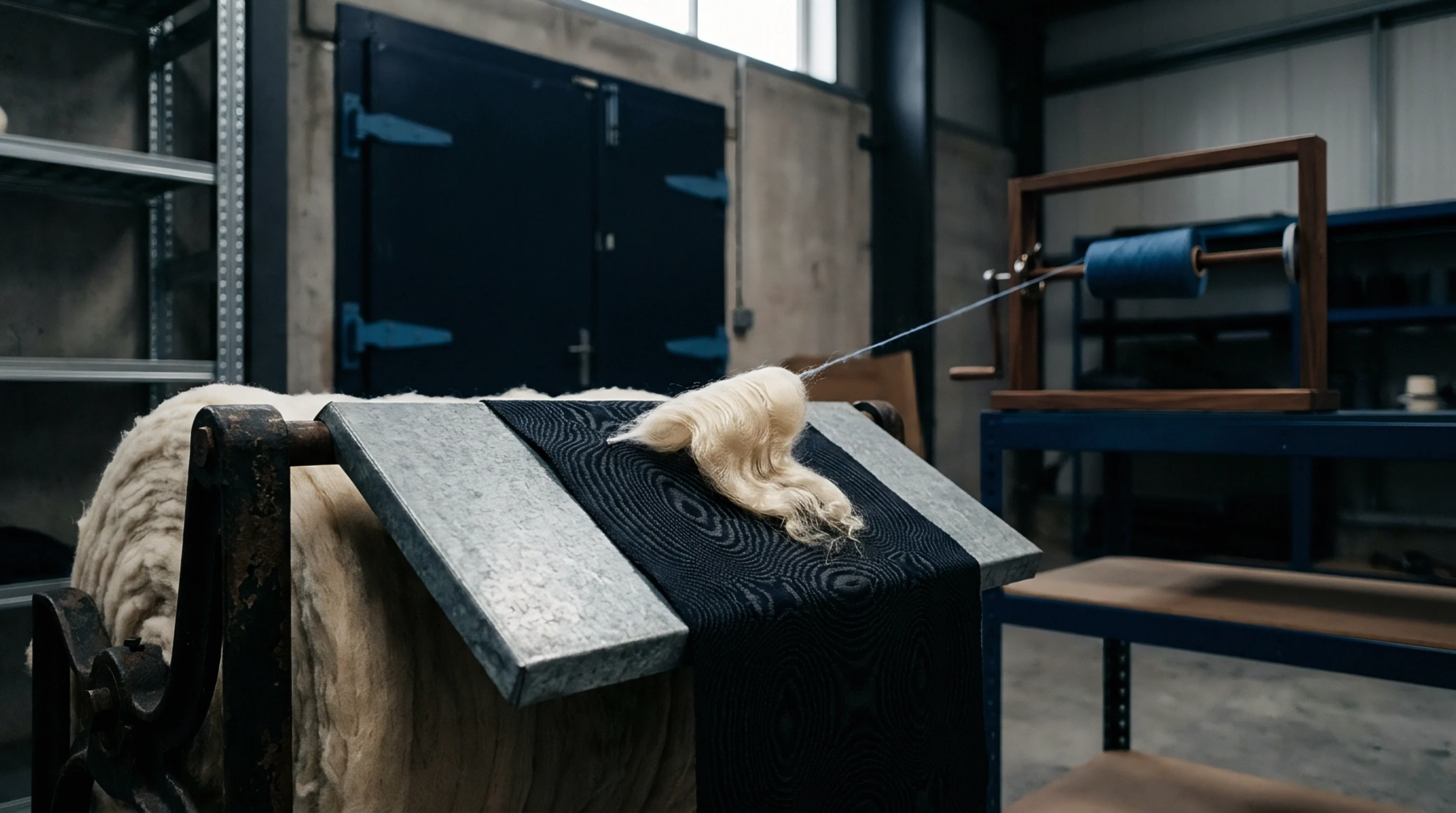
Transformation of loose, unorganized fibers into a continuous, cohesive strand marks the transition from raw material to a usable textile component. During yarn spinning, the fibers are cleaned, carded, aligned and twisted together to provide the strength necessary for weaving or knitting. This process determines the final properties of the yarn, including its fineness, hairiness, tensile strength and elongation profile.
Machine Operation
Different technologies like ring spinning or open-end rotor spinning are selected based on the desired quality and the intended end use of the fabric. Ring systems produce a smoother and stronger yarn suitable for high quality apparel while rotor systems offer higher production speeds for coarser materials. Each method involves a series of drafts and twists that lock the fibers into a stable helical structure.
Quality Parameter
Consistency in the number of twists per inch ensures the yarn does not break under the high tension of a high-speed loom. Spinners monitor the count and the uniformity of the yarn to prevent the formation of thin spots or thick slubs. Laboratory testing of the spun yarn identifies defects that could lead to pilling or uneven dyeing in the finished garment.
Preparation
Packaging the finished product onto cones or bobbins allows for efficient transport to the next stage of the supply chain. Modern spinning mills often include automated winding and splicing machines to remove imperfections and create long, continuous lengths of yarn. The quality of the spinning stage sets the foundation for the performance of the entire textile assembly.