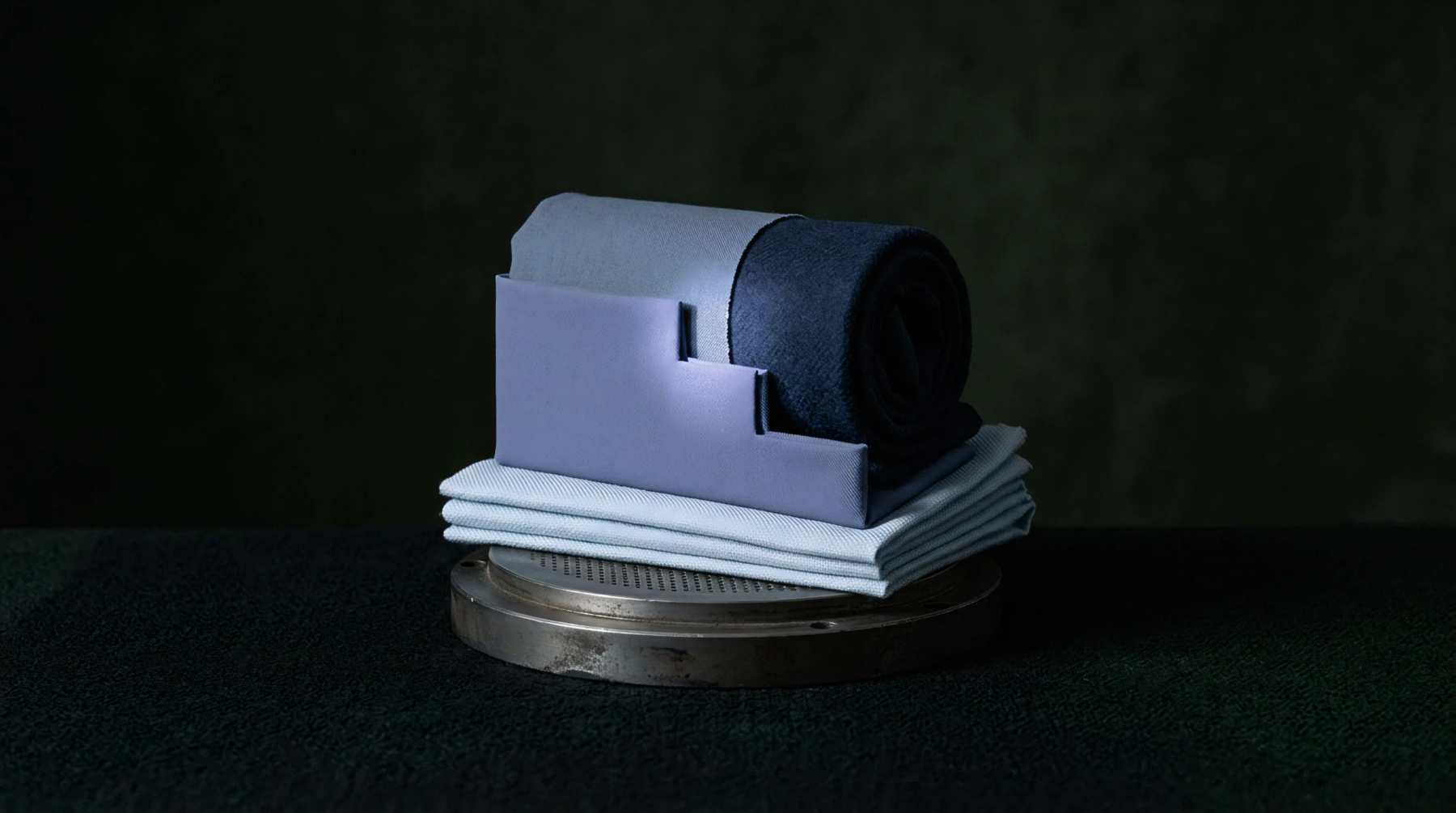
Sett and Cover Factor Deciding Abrasion Life in Workwear
Sett and cover factor define structural thread packing; maintaining high pick density and tight fractional cover locks yarn crowns to maximize abrasion life.
Accelerated textile degradation occurs when fabric samples encounter high speed rotating steel paddles within a specialized laboratory chamber. Accelerotor wear measures how surface fibers break down under the mechanical stress of these repeated collisions against chamber walls and internal metal components. Analysts apply this assessment to determine the expected durability of upholstery fabrics or dense industrial linens after prolonged exposure to friction.
Hard surfaces inside the device force the material to fold and bend at extreme angles during each rotation cycle. Such rapid mechanical cycles simulate several months of household or commercial usage within minutes of active testing time. Laboratory technicians mount circular specimens securely to prevent slippage while the rotor spins at set velocities to ensure consistent impact force.
Results appear as a mass loss percentage or a visual assessment of pilling and structural thinning across the tested surface. This procedure helps manufacturers select appropriate raw materials for high traffic environments where structural integrity governs product longevity.
A calibrated timer dictates the duration of the impact cycle depending on the specific weight or density of the textile under review. Longer durations increase the intensity of physical destruction to reveal vulnerabilities in weak yarns or loose weave structures that withstand shorter durations. Technicians verify the final state by comparing the mass of the fabric before and after the test to calculate exact weight reduction.
Differences in the resulting figures allow auditors to rank materials by their ability to retain structural density against abrasive forces. Consistent air pressure within the chamber further influences how effectively the fabric resists surface damage during the rapid rotation phase.
Standardized protocols define the operational limits for this test to maintain comparability between distinct batches of fabric production. Fabric samples undergo mounting onto a specialized rotor holder that ensures consistent exposure levels throughout the entire session. Variations in rotor speed or paddle geometry alter the outcome significantly because the energy transfer directly depends on these mechanical factors.
Heavy upholstery fabrics require extended exposure periods compared to lighter apparel goods to reach a meaningful point of failure in the laboratory setting. Operators monitor the machine continuously to prevent overheating which would otherwise bias the wear data by weakening the fibers through thermal fatigue. Such operational rigor ensures that only the mechanical abrasion impacts the final measurement of material degradation.
Garment factories and upholstery mills utilize this measurement to validate performance claims before shipping finished goods to primary retailers. Procurement teams reject entire lots if the accelerated degradation exceeds the internal specifications established for the intended use of the textile. Independent laboratories provide this verification to confirm that bulk production matches the performance profile of initial prototypes.
Producers identify weak points in the fiber construction through this controlled testing method to optimize weaving patterns or finishing techniques. Every reported measurement represents the threshold at which the fabric maintains its physical properties against abrasive interactions.
Sett and cover factor define structural thread packing; maintaining high pick density and tight fractional cover locks yarn crowns to maximize abrasion life.
Expertise is a utility, not a secret. sentiention™ publishes its working knowledge as open reference: intelligence layer covering the materials it sources, the markets it enters, and the reference that serves both.