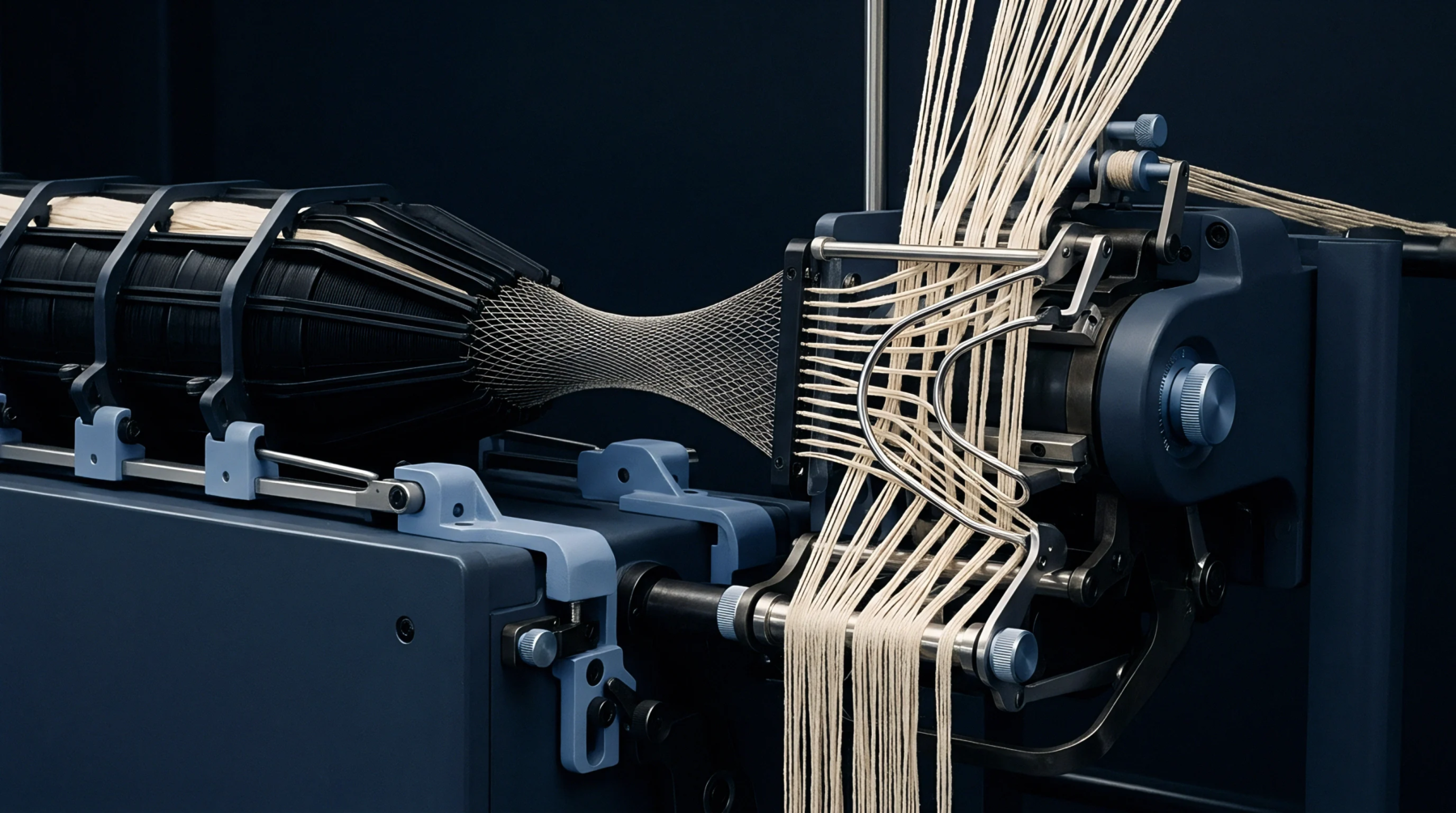
Micronaire Determination
Airflow resistance testing quantifies the fineness of raw cotton fibres to classify maturity and perimeter. Operators apply the astm d1448 protocol to calculate a micronaire value by forcing a stream of air through a compressed plug of lint. High air permeability through the specimen suggests a large fibre perimeter, while slow airflow points to finer or more immature fibre types.
Textile mills utilize this numeric reading to predict processing performance and yarn quality before beginning mechanical spinning operations.
Instrumental Calibration
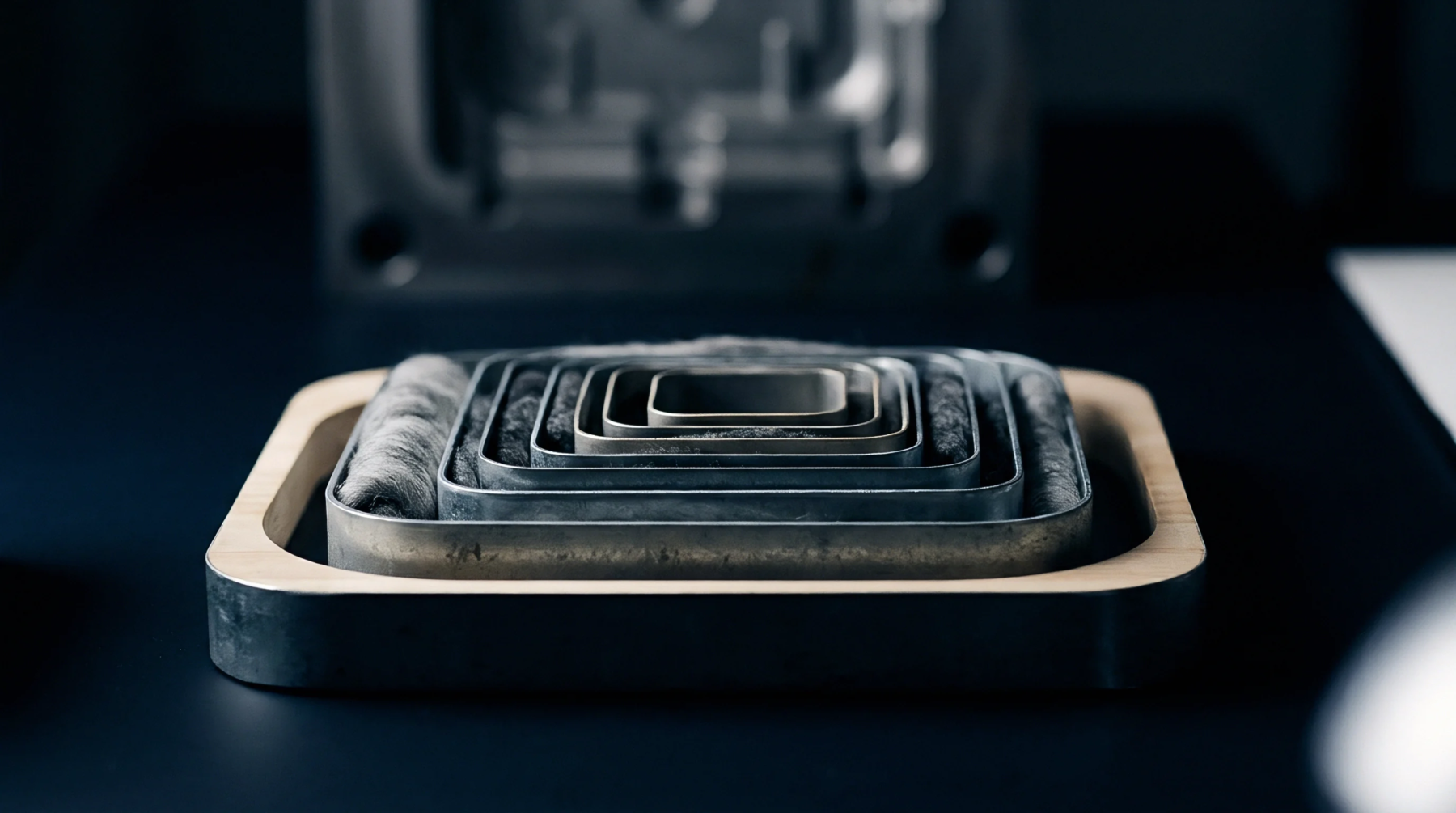
Compressed air flows through a standard specimen chamber containing a fixed mass of cleaned cotton fibres. Calibrated plugs establish the baseline for the pneumatic gauge, ensuring the resistance measured by the device corresponds to standard air permeability units. A consistent weight of sample is crucial because density variations within the testing chamber skew the pressure drop results.
Variations in humidity or atmospheric pressure require technicians to correct the instrument settings to maintain consistency across batch testing.
Industrial Classification
Maturity and fineness profiles drive the valuation of cotton bales in international trade. The astm d1448 procedure separates upland cotton varieties into categories that dictate spinning limits and dyeing uniformity. Mills identify potential nepping risks by evaluating these airflow values against regional benchmarks for cotton fineness.
Blending strategies rely on these findings to maintain yarn consistency during the transition from loose fibre to ring-spun yarn.
Performance Constraint
Precise determination of fibre fineness stops applying when samples contain high levels of non-lint content such as leaf or motes. These impurities clog the airflow apertures and produce artificial pressure readings that misrepresent the true fineness of the fibre. Extraneous matter must undergo removal through mechanical cleaning before the test proceeds to ensure the reported micronaire index reflects the actual material properties.
Effective testing requires a homogeneous sample devoid of significant foreign debris to ensure the stability of the final quality grade.