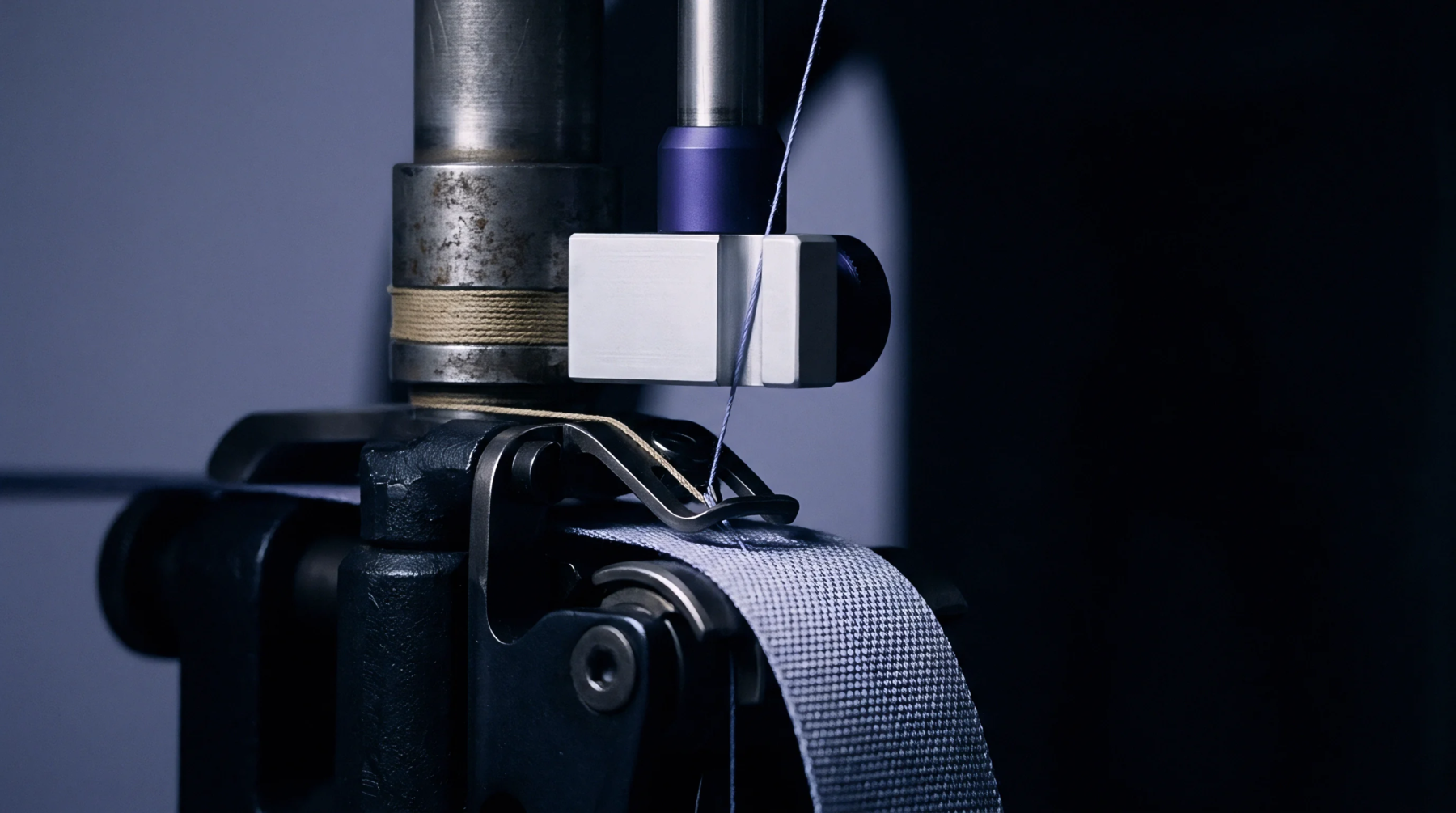
Length Parameter
The distance between the two gripping points of a testing machine defines the starting point for tensile evaluation. A clamp gauge length determines how much material is subjected to force during a strength or elongation test. It marks the precise segment of yarn or fabric that will stretch or break under load.
Mechanical Configuration
Adjusting the span between jaws allows a technician to accommodate different specimen types. This setting remains constant throughout a single test series to ensure data comparability. High-capacity testers often use pneumatic grips to prevent slippage at the edges of the clamp gauge length.
Stress Distribution
Short spans concentrate force onto a small area and might miss structural variations present in longer lengths. A standard length of 250 millimeters or 500 millimeters is common for yarn testing. When the clamp gauge length is too short, the results may reflect the strength of the strongest points rather than the average performance of the bulk material.
Measurement Accuracy
Measurement accuracy falls if the specimen is not aligned between the grips. Slippage inside the jaws invalidates the resulting curve. The clamp gauge length must be verified with a physical spacer or digital sensor before the first pull.